CM Dhami Orders Pre-Monsoon Disaster Prep in Rudraprayag
Synopsis
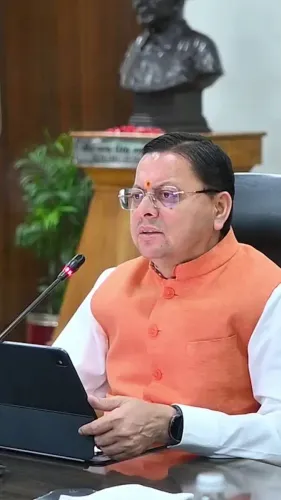
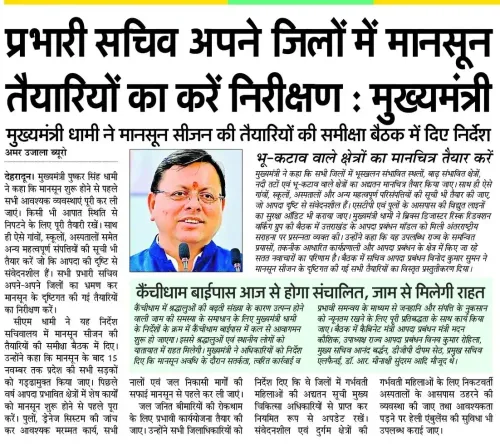
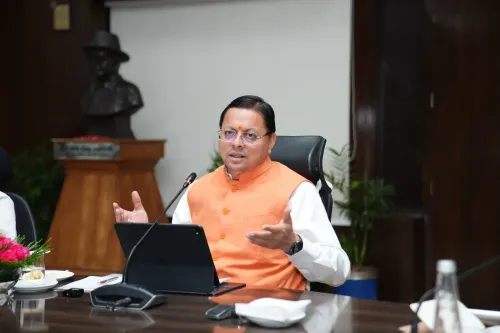
Under Chief Minister Pushkar Singh Dhami's orders, Uttarakhand has strengthened disaster management systems in flood-prone Rudraprayag district ahead of the 2026 monsoon, building on preparedness frameworks instituted after the devastating 2013 Kedarnath floods.
Key Takeaways
CM Pushkar Singh Dhami has directed pre-monsoon disaster management reinforcement specifically in Rudraprayag district .
Rudraprayag is among Uttarakhand's most vulnerable districts, sitting at the confluence of the Alaknanda and Mandakini rivers and serving as a Kedarnath pilgrimage gateway.
The announcement was made on 25 June 2026 , past the state's standard pre-monsoon deadline of 15 June , suggesting continued, rolling preparedness activity.
Uttarakhand's pre-monsoon preparedness framework was institutionalised after the 2013 Kedarnath floods , one of India's deadliest natural disasters.
The Uttarakhand SDMA , operating under the Disaster Management Act 2005, coordinates district-level mitigation and will monitor outcomes through the monsoon season.
Char Dham pilgrims transiting Rudraprayag during the monsoon months are among the key beneficiaries of strengthened disaster protocols.
The Chief Minister's Office of Uttarakhand announced on 25 June 2026 that disaster management systems in Rudraprayag district have been strengthened ahead of the monsoon season, under the direct instructions of Chief Minister Pushkar Singh Dhami. The move signals the state government's intent to shore up defences in one of Uttarakhand's most landslide-prone and flood-vulnerable districts before seasonal rains intensify.
Context
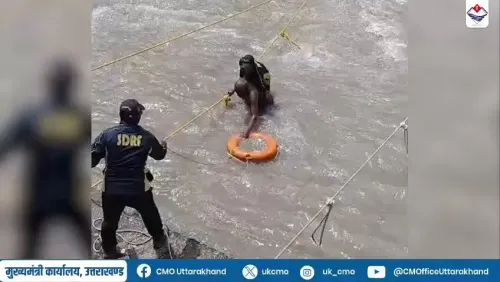
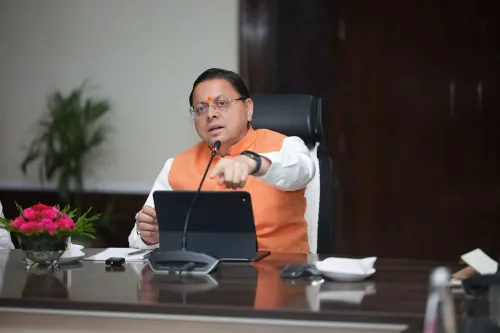
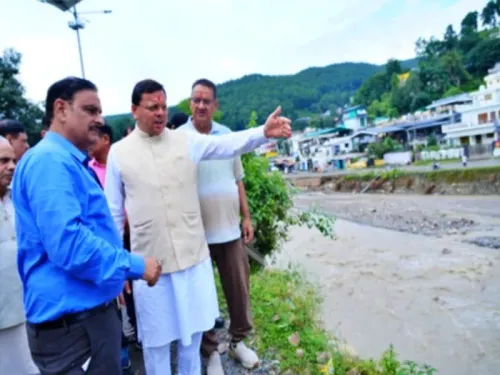
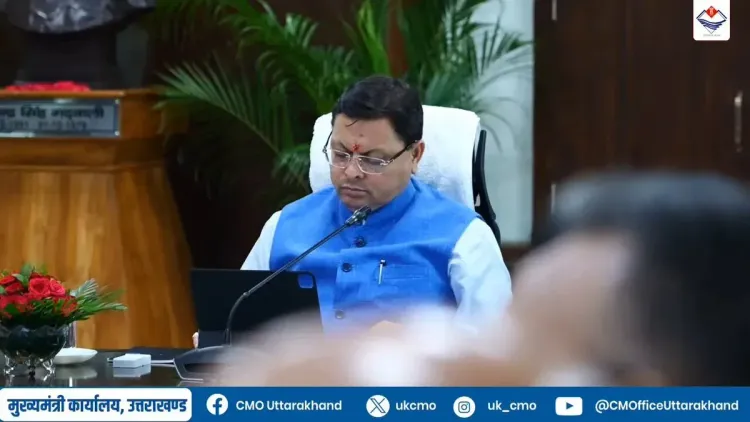
The official post, shared by the Chief Minister's Office, states in Hindi: 'मुख्यमंत्री श्री पुष्कर सिंह धामी के निर्देशों के तहत जनपद रुद्रप्रयाग में मानसून से पहले आपदा प्रबंधन व्यवस्था को किया गया मजबूत' — translated: 'Under the directions of Chief Minister Shri Pushkar Singh Dhami, the disaster management system in Rudraprayag district has been strengthened ahead of the monsoon.' The announcement is accompanied by a video, indicating on-ground activity and inter-departmental coordination in the district.
Rudraprayag sits at the confluence of the Alaknanda and Mandakini rivers and serves as a gateway to the Kedarnath shrine, one of the four Char Dham pilgrimage sites. The district's topography makes it acutely susceptible to cloudbursts, flash floods, and landslides during the June-September monsoon window.
Policy Backdrop
The 2013 Kedarnath disaster — one of the deadliest natural calamities in post-independence India — left an indelible mark on Uttarakhand's governance framework. In its aftermath, the state institutionalised mandatory pre-monsoon vulnerability mapping, early-warning drills, and embankment repair cycles across all districts, with Rudraprayag receiving particular attention given its proximity to the epicentre of the 2013 floods.
Since 2017, the state government has issued annual directives requiring districts to complete evacuation route clearances and inter-departmental coordination before 15 June. The Uttarakhand State Disaster Management Authority (SDMA), established under the Disaster Management Act 2005, oversees this annual preparedness cycle and coordinates district-level mitigation plans in line with National Disaster Management Authority (NDMA) guidelines.
CM Dhami, who has helmed the state since 2021, has consistently positioned pre-monsoon preparedness as a governance priority, particularly for hill districts that bear the brunt of increasingly erratic Himalayan rainfall patterns driven by climate variability.
Stakeholders and Impact
The preparedness measures directly affect Rudraprayag district's permanent residents as well as the hundreds of thousands of Char Dham pilgrims who traverse the district each year during the yatra season, which overlaps with the monsoon months. District disaster response teams, the State Disaster Response Force (SDRF), and local administration are the primary operational stakeholders.
Himalayan states including Himachal Pradesh and Jammu and Kashmir follow similar seasonal preparedness cycles, reflecting a broader regional pattern of pre-positioning resources and clearing evacuation corridors before peak rainfall. Uttarakhand's approach, anchored in district-level execution, has evolved significantly since 2013 to incorporate real-time weather alerts and community-level mock drills.
What's Next
Observers will watch for impact assessments and relief expenditure reports from the Uttarakhand SDMA once the 2026 monsoon season concludes. Any supplementary budget demands related to disaster relief or infrastructure repair are likely to surface in the upcoming monsoon session of the Uttarakhand Legislative Assembly. The effectiveness of the pre-monsoon measures in limiting casualties and property damage will ultimately serve as the benchmark for the state's preparedness model — and could shape policy decisions ahead of the 2027 season.
Point of View
This fits a pattern across Himalayan states of using seasonal preparedness announcements to reassure stakeholders ahead of a monsoon window that climate scientists warn is becoming increasingly unpredictable. The real test, as always, will be the on-ground response when extreme rainfall events materialise.
NationPress
26 Jun 2026
Frequently Asked Questions
Why is Rudraprayag so vulnerable to monsoon disasters?
Rudraprayag sits at the confluence of the Alaknanda and Mandakini rivers in the Himalayas, making it highly susceptible to flash floods, cloudbursts, and landslides. It also lies on the Kedarnath pilgrimage route, increasing the human stakes during the June-September monsoon season.
What did CM Dhami order for Rudraprayag before the 2026 monsoon?
Chief Minister Pushkar Singh Dhami directed the strengthening of disaster management systems in Rudraprayag district ahead of the 2026 monsoon, as announced by the official Chief Minister's Office on 25 June 2026. Specific measures were shown in an accompanying video shared by the CMO.
What is the Uttarakhand SDMA and what role does it play?
The Uttarakhand State Disaster Management Authority (SDMA) is a state body set up under the Disaster Management Act 2005. It coordinates pre-monsoon reviews, vulnerability mapping, and district-level mitigation plans across Uttarakhand in line with national guidelines.
How has Uttarakhand changed disaster management since the 2013 Kedarnath floods?
After the 2013 Kedarnath disaster, Uttarakhand institutionalised mandatory pre-monsoon vulnerability mapping, early-warning drills, and embankment repair cycles. Since 2017, annual government orders require all districts to complete evacuation route clearances and inter-departmental coordination before 15 June each year.
How does pre-monsoon preparedness in Uttarakhand affect Char Dham pilgrims?
Char Dham pilgrimage routes pass through Rudraprayag and other vulnerable Himalayan districts. Pre-monsoon disaster preparedness — including cleared evacuation routes, early-warning systems, and pre-positioned rescue teams — directly protects pilgrims who travel through these areas during the monsoon months.