CM Dhami: People's Movement Key to Plastic-Free Uttarakhand
Synopsis
Chief Minister Pushkar Singh Dhami declared on 30 July 2026 that making Uttarakhand free of single-use plastic requires a mass people's movement, not just state directives — framing community ownership as the core enforcement mechanism for the Himalayan state's fragile ecology.
Key Takeaways
CM Pushkar Singh Dhami stated on 30 July 2026 that a jan andolan (people's movement) is essential to achieving a single-use plastic-free Uttarakhand .
India's national ban on identified single-use plastic items came into force in July 2022 under the Plastic Waste Management Amendment Rules, 2021 .
Uttarakhand's Himalayan geography — rivers, forests, pilgrimage routes — makes plastic pollution especially damaging and enforcement logistically difficult.
The tourism and pilgrimage sector is a key stakeholder, with its commercial interests directly tied to maintaining ecological quality.
The Chief Minister's framing places accountability on residents and local bodies, not just state inspectors and penalty mechanisms.
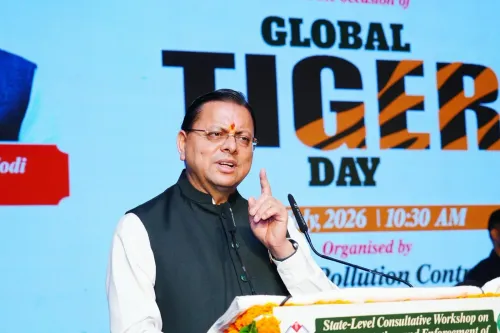
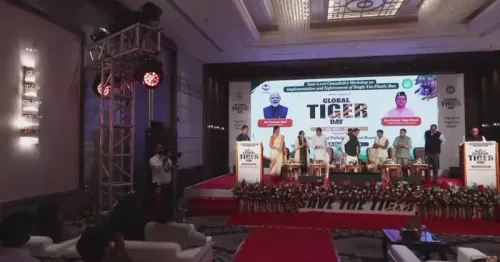
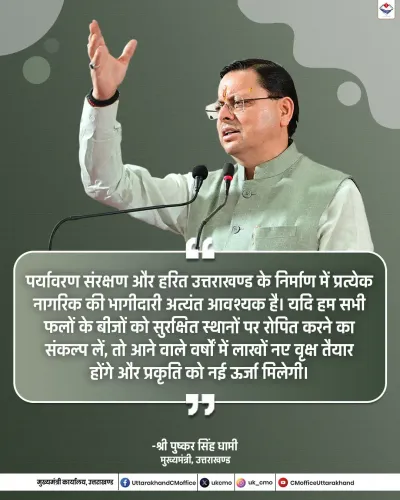
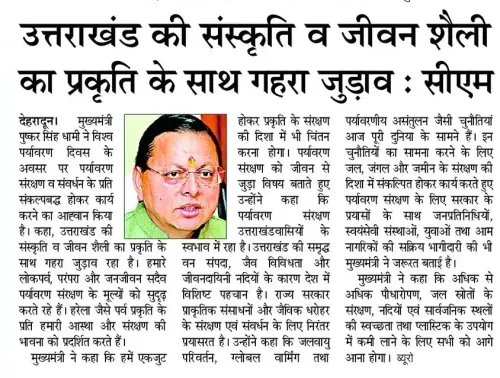
A plastic-free Uttarakhand will not be delivered by government orders alone — it will be built by its people. That is the message Chief Minister Pushkar Singh Dhami sent on Thursday, 30 July 2026, declaring that the resolve to rid the state of single-use plastic can only be realised through a genuine mass movement, jan andolan [people's movement].
Why Uttarakhand's Plastic Problem Hits Harder
The stakes in Uttarakhand are not the same as in a plains state. The Himalayan region — home to glacial rivers, dense forest cover, and some of India's most visited pilgrimage and trekking corridors — absorbs plastic pollution in ways that compound over decades. Discarded single-use plastic clogs river channels, accumulates in alpine terrain that cannot biodegrade it quickly, and degrades the very landscapes that drive the state's tourism economy. A wrapper left on a Char Dham route does not simply disappear; it travels downstream or stays frozen in soil for centuries.
The National Ban and the Gap It Left
India banned a defined list of single-use plastic items under the Plastic Waste Management Amendment Rules, 2021, with the prohibition taking effect in July 2022. The national framework set the floor. But Himalayan states quickly found that legislation alone — without community ownership — was insufficient in geographies where enforcement is logistically difficult and tourist footfall is enormous and seasonal. CM Dhami has consistently positioned Uttarakhand as a state that must go beyond compliance and build cultural rejection of single-use plastic among residents and visitors alike.
Mass Participation as the Real Enforcement Mechanism
The Chief Minister's framing of a jan andolan is a deliberate political choice. It shifts the accountability from inspectors and fines to citizens, gram sabhas, and local bodies — making every resident a stakeholder in the outcome. For the tourism and pilgrimage sector, which depends entirely on Uttarakhand's ecological brand, the commercial logic of a clean environment aligns directly with the environmental one. The sectors that profit most from pristine hills have the strongest incentive to enforce plastic-free norms on the ground.
The real test will come in district-level compliance, the reach of public-participation programmes, and whether the campaign sustains momentum beyond the announcement. Uttarakhand's mountains are patient — but they are not forgiving.
Point of View
Particularly ahead of elections where environmental identity is a vote-driver. The durability of the campaign will depend on whether it produces measurable district-level outcomes or remains a rhetorical posture.
NationPress
30 Jul 2026
Frequently Asked Questions
What did CM Dhami say about single-use plastic in Uttarakhand?
CM Pushkar Singh Dhami said on 30 July 2026 that the goal of making Uttarakhand free of single-use plastic can only be achieved through a mass people's movement, not government action alone.
Is single-use plastic banned in Uttarakhand?
India's national ban on identified single-use plastic items has been in force since July 2022 under the Plastic Waste Management Amendment Rules, 2021. Uttarakhand, as a Himalayan state with sensitive ecology, has promoted additional public campaigns alongside the national framework.
Why is single-use plastic a bigger problem in Uttarakhand than other states?
Uttarakhand's Himalayan terrain — glacial rivers, forests, and major pilgrimage and trekking routes — makes plastic pollution particularly harmful. Waste accumulates in ecologically fragile zones and is difficult to enforce against given the state's geography and seasonal tourist surges.
What is a jan andolan and why is CM Dhami calling for one on plastic?
Jan andolan means a people's movement in Hindi. Dhami is calling for it because community participation — by residents, local bodies, and the tourism sector — is seen as more effective than inspector-led enforcement in a state where terrain makes top-down policing difficult.
What sectors in Uttarakhand are most affected by the plastic-free push?
The tourism and pilgrimage sector is the most directly affected, as Uttarakhand's ecological brand — its rivers, mountains, and sacred sites — is its primary economic asset. Plastic pollution directly threatens the quality that draws visitors to the state.