CM Dhami joins single-use plastic workshop on Tiger Day
Synopsis
On International Tiger Day 2026, Uttarakhand CM Pushkar Singh Dhami joined a state-level workshop on enforcing India's single-use plastic ban — linking wildlife habitat protection with on-ground regulatory compliance in a state home to Corbett National Park.
Key Takeaways
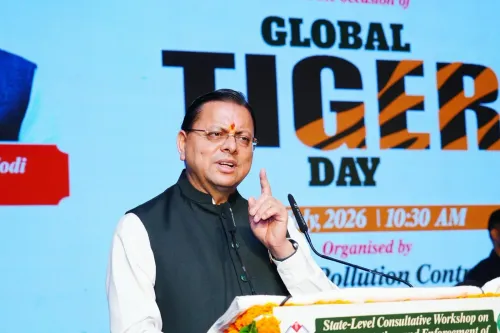
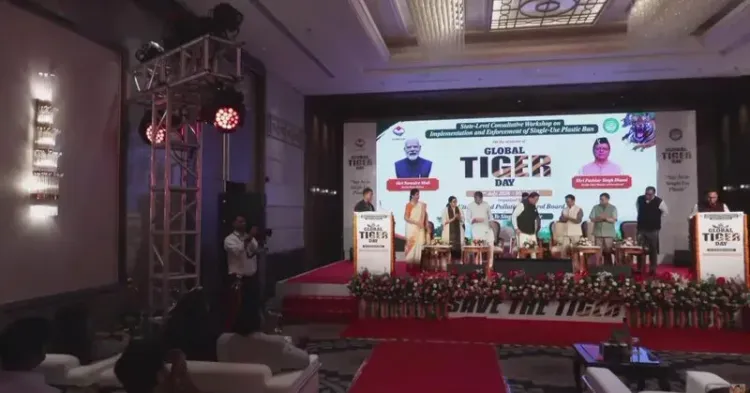
CM Pushkar Singh Dhami participated in a state-level consultation workshop on single-use plastic enforcement on 29 July 2026 , International Tiger Day.
India's single-use plastic ban on identified items has been in force since 1 July 2022 under the Plastic Waste Management Rules.
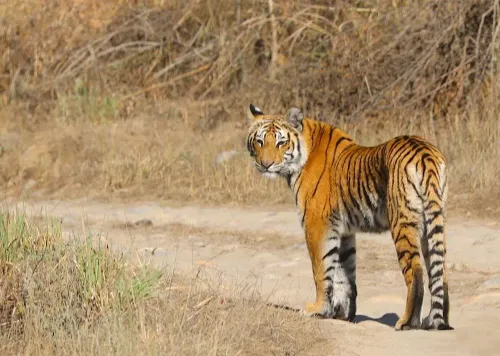
Uttarakhand is home to Corbett National Park , one of India's flagship tiger reserves under Project Tiger , launched in 1973.
The state had independently restricted polythene bags in ecologically sensitive zones as early as 2017–18 .
The National Wildlife Action Plan 2017–2031 explicitly identifies plastic pollution as a threat to tiger habitats and protected areas.
India holds approximately 75 per cent of the world's wild tiger population, raising the conservation stakes of state-level enforcement.
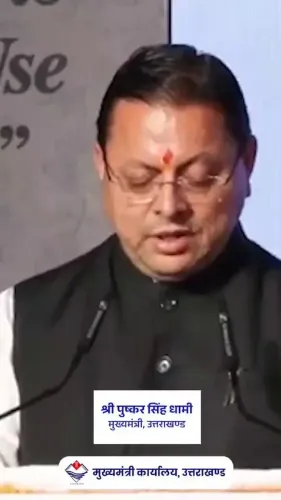
On International Tiger Day, 29 July 2026, Uttarakhand Chief Minister Pushkar Singh Dhami participated in a state-level consultation workshop focused on the effective implementation and enforcement of India's single-use plastic ban — a deliberate pairing of wildlife conservation symbolism with on-the-ground regulatory action.
The workshop, streamed live, centred on strengthening enforcement of the nationwide prohibition on identified single-use plastic items, which came into force on 1 July 2022 under the Plastic Waste Management Rules. Uttarakhand, home to Corbett National Park — one of India's oldest and most celebrated tiger reserves — carries particular weight in this conversation: plastic waste in forest ecosystems and river corridors directly threatens the habitats that Project Tiger has spent five decades protecting.
Why Tiger Day and plastic in the same room
The linkage is not accidental. Across Indian states, wildlife protection mandates and plastic restriction drives have increasingly converged, recognising that a polythene bag discarded on a forest trail or riverbank is not merely a municipal problem — it is an ecological one. Uttarakhand's own notifications from 2017–18 had already moved to ban polythene bags in ecologically sensitive zones, pre-dating the central prohibition. The National Wildlife Action Plan 2017–2031 explicitly flags plastic pollution as a threat to tiger habitats and protected areas, giving today's workshop a clear policy anchor. International Tiger Day, observed every 29 July, was established to raise global awareness about tiger conservation and habitat protection. India holds roughly 75 per cent of the world's wild tiger population, making state-level enforcement of environmental rules a matter of international conservation significance — not just domestic compliance.Uttarakhand as an enforcement test case
State-level consultation workshops of this kind typically bring together forest department officials, municipal bodies, local vendors, tourism operators, and environmental groups to map enforcement gaps and align on compliance mechanisms. Uttarakhand's tourism economy — built substantially around its national parks and river valleys — gives local vendors and operators a direct stake in the outcome: cleaner forests mean a more durable tourism product. The broader pattern here is one of progressive alignment: central environmental regulation meets state-level political will, with a high-profile conservation calendar date providing the platform. Whether the workshop translates into measurable enforcement action — compliance data from municipal bodies, fresh state orders, or targeted drives in protected zones — will be the metric that matters in the months ahead. On the day the world marks the tiger's survival, Uttarakhand is asking a pointed question: what use is protecting a species if the habitat around it is choking on plastic?Point of View
The Dhami government is threading two of the BJP's preferred environmental narratives — wildlife conservation and single-use plastic elimination — into a single state-level event. This reflects a broader pattern in which Indian states use high-visibility conservation dates to demonstrate regulatory seriousness to both domestic audiences and international observers. For Uttarakhand, whose economy is structurally tied to forest tourism, the political logic is clear: environmental credibility is also economic credibility. The real test, however, lies not in the workshop but in the compliance data that follows.
NationPress
28 Oct 2026
Frequently Asked Questions
What is International Tiger Day and when is it observed?
International Tiger Day is observed every year on 29 July to raise global awareness about tiger conservation, habitat protection, and the threats facing wild tiger populations worldwide.
What is India's single-use plastic ban?
India banned the manufacture, import, stocking, and sale of identified single-use plastic items from 1 July 2022 under the Plastic Waste Management Rules, which were amended in 2021–22 to include this prohibition.
Why was a plastic ban workshop held on Tiger Day in Uttarakhand?
The workshop linked plastic enforcement with wildlife conservation, recognising that plastic waste in forest ecosystems and river corridors directly threatens tiger habitats — a concern also highlighted in India's National Wildlife Action Plan 2017–2031.
What tiger reserves does Uttarakhand have?
Uttarakhand is home to Corbett National Park , one of India's oldest tiger reserves and a flagship site under Project Tiger , the central government's in-situ tiger conservation programme launched in 1973.
What is Pushkar Singh Dhami's role in Uttarakhand?
Pushkar Singh Dhami has served as Chief Minister of Uttarakhand since 2021 and is a BJP leader who has pursued both state development and environmental initiatives during his tenure.