CM Dhami Marks Tiger Day With Plastic Ban Workshop in Dehradun
Synopsis
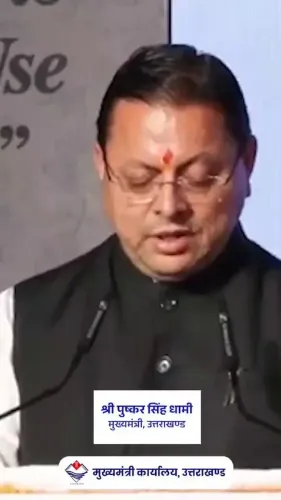
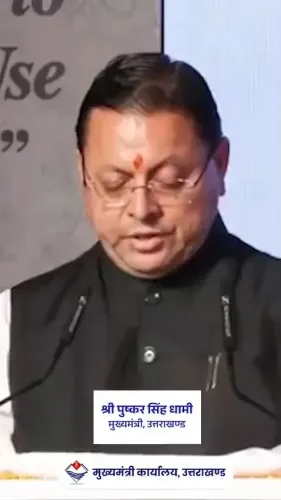
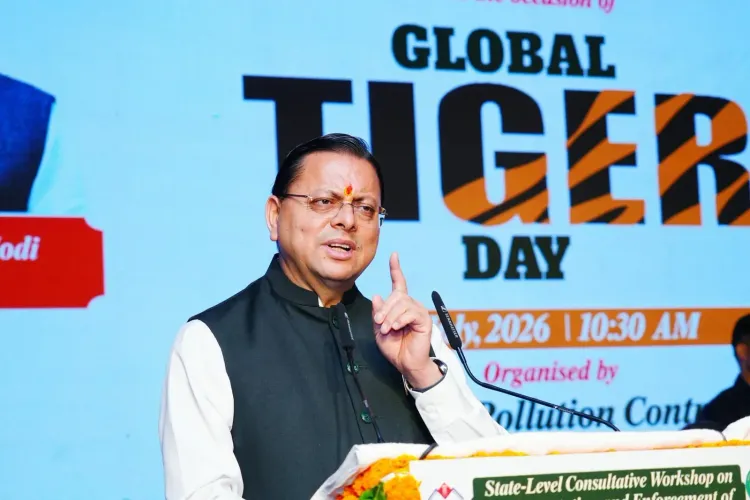
On International Tiger Day, Uttarakhand CM Pushkar Singh Dhami attended a state-level plastic ban enforcement workshop in Dehradun, released tiger conservation artwork, and felicitated activists working on human-wildlife conflict, linking the events to PM Modi's national environmental campaigns.
Key Takeaways
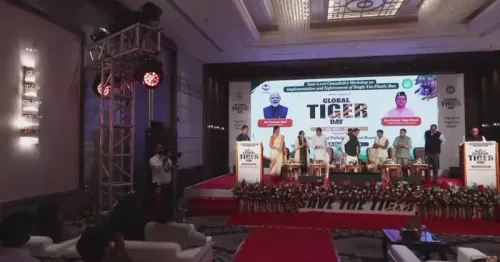
Uttarakhand held a state-level workshop in Dehradun on 29 July 2026 — International Tiger Day — focused on enforcing India's single-use plastic ban, notified in July 2022 .
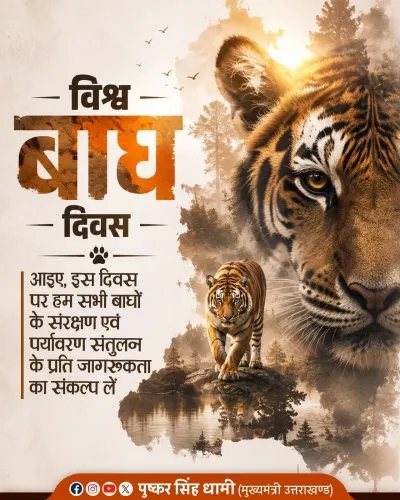
CM Pushkar Singh Dhami participated in the workshop and released tiger conservation-themed pictures and postcards.
Social activists who demonstrated courage in human-wildlife conflict situations and contributed to wildlife conservation were formally honoured at the event.
Dhami cited four central government initiatives — Swachh Bharat Abhiyan , Ek Ped Maa Ke Naam , Namami Gange , and clean energy — as having made environmental protection a mass movement.
Uttarakhand hosts Corbett Tiger Reserve , one of India's flagship protected areas under Project Tiger (launched 1973), giving the state a direct stake in tiger conservation policy.
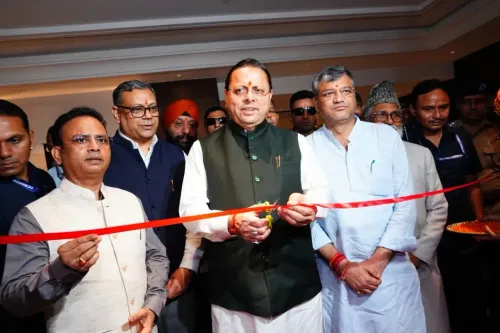
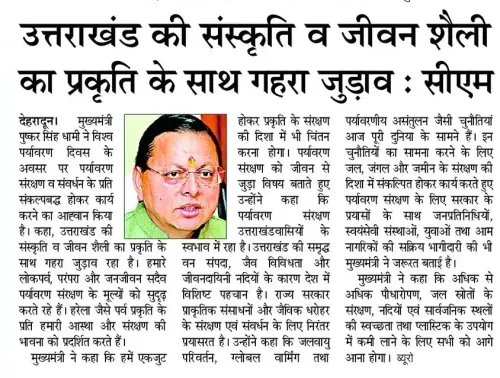
On International Tiger Day, 29 July 2026, Uttarakhand Chief Minister Pushkar Singh Dhami turned a conservation milestone into a call for enforcement — attending a state-level workshop in Dehradun dedicated to the effective implementation of India's single-use plastic ban, releasing tiger conservation artwork and postcards, and honouring social activists who have shown courage in human-wildlife conflict zones.
Plastic Ban Meets Tiger Day in Dehradun
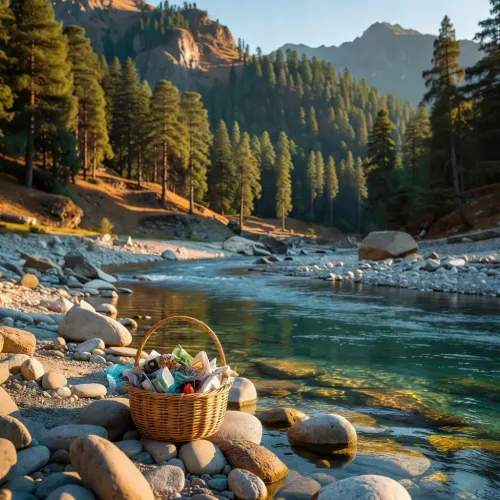
The workshop, themed 'Ekal Upyog Plastic Pratibandh ke Prabhavi Kriyanvayan evam Pravartan' (Effective Implementation and Enforcement of the Single-Use Plastic Ban), brought together state officials and stakeholders to sharpen ground-level enforcement. India notified a nationwide ban on identified single-use plastic items in July 2022, but closing the gap between notification and actual compliance has remained a persistent challenge for state administrations. Uttarakhand's decision to hold this workshop on Tiger Day signals a deliberate convergence: plastic pollution in forest corridors and river catchments is a direct threat to wildlife habitats, including those of the tiger.
Saluting Those Who Stand Between Humans and Wildlife
A significant moment at the event was the felicitation of social activists who have contributed to wildlife conservation and displayed courage in managing human-wildlife conflict — one of the most dangerous and under-recognised frontlines in Indian conservation. While specific names of the honoured individuals were not disclosed in official communications, the recognition itself reflects a state practice of spotlighting community-level defenders of Uttarakhand's forests. The state is home to Corbett Tiger Reserve, one of India's oldest and most storied protected areas, established under Project Tiger, which was launched in 1973.
Modi's Green Campaigns as the Policy Spine
CM Dhami explicitly linked the day's events to the environmental agenda of Prime Minister Narendra Modi, citing four flagship initiatives: Swachh Bharat Abhiyan (launched 2014), the 'Ek Ped Maa Ke Naam' tree plantation drive, Namami Gange (approved 2015 for Ganga basin conservation), and the push for clean energy. His framing — that these programmes have transformed environmental protection into a jan andolan (people's movement) — positions state-level enforcement workshops as extensions of a broader national mission rather than standalone bureaucratic exercises.
The alignment is deliberate policy architecture. Central programmes provide the mandate and the momentum; state workshops like the one in Dehradun are where that mandate meets the district officer, the forest guard, and the local activist. Whether that translation holds in Uttarakhand's markets and forest-edge villages is the question that follow-up enforcement reports will answer.
Point of View
Uttarakhand is making an explicit policy argument: habitat degradation from plastic waste and wildlife conservation are the same problem. CM Dhami's invocation of four Modi-era environmental schemes is also a reminder that state-level events increasingly serve as amplifiers for central government branding in the run-up to any electoral cycle. The real test, however, is enforcement depth — Uttarakhand's forest corridors and tourist-heavy hill towns are among the most plastic-littered in the Himalayan belt, and workshops must translate into measurable compliance data. The felicitation of human-wildlife conflict workers is a quietly significant signal: it acknowledges that conservation success depends on communities bearing the highest personal cost.
NationPress
28 Oct 2026
Frequently Asked Questions
What is International Tiger Day and when is it observed?
International Tiger Day is observed every year on 29 July to raise awareness about tiger conservation and the threats facing wild tiger populations globally.
What did CM Dhami do on International Tiger Day 2026?
CM Pushkar Singh Dhami attended a state-level workshop in Dehradun on single-use plastic ban enforcement, released tiger conservation artwork and postcards, and felicitated social activists for their work in human-wildlife conflict and wildlife conservation.
When did India ban single-use plastics?
India notified a nationwide ban on identified single-use plastic items effective July 2022 , covering items such as plastic cutlery, straws, and certain packaging materials.
What is Project Tiger and how is Uttarakhand connected?
Project Tiger was launched in 1973 to establish protected reserves for tigers across India. Uttarakhand is home to Corbett Tiger Reserve , one of the country's oldest and most prominent tiger reserves under the project.
What is the 'Ek Ped Maa Ke Naam' campaign mentioned by CM Dhami?
' Ek Ped Maa Ke Naam ' — meaning 'One Tree in Mother's Name' — is a tree plantation campaign promoted by the Prime Minister's Office as part of India's broader environmental and green cover initiatives.