CM Dhami Pushes Gaushala Modernisation, Cow-Based Organic Farming in Uttarakhand
Synopsis
Uttarakhand CM Pushkar Singh Dhami has announced the modernisation of state gaushalas alongside a push for cow-based organic farming, linking cattle welfare directly to rural prosperity and chemical-free agriculture in the Himalayan state.
Key Takeaways
CM Pushkar Singh Dhami on 24 September 2026 publicly linked gaushala modernisation to rural prosperity and organic agriculture in Uttarakhand .
The state's Gau Seva Aayog , established in the early 2000s, provides the institutional backbone for cow protection and welfare programmes.
Uttarakhand's hilly mixed-farming economy makes cattle-based organic inputs especially relevant for small rural farmers.
The initiative aligns with national pushes for natural and chemical-free farming, positioning Uttarakhand to tap into certified organic supply chains.
Budget allocations and farmer training programmes will be the key indicators of how far the policy moves beyond rhetoric.
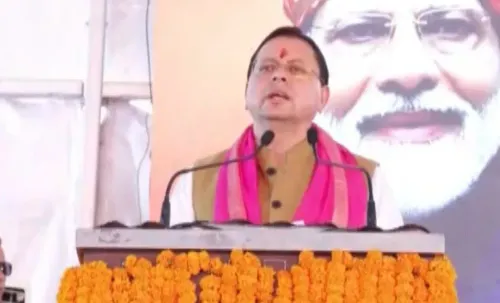
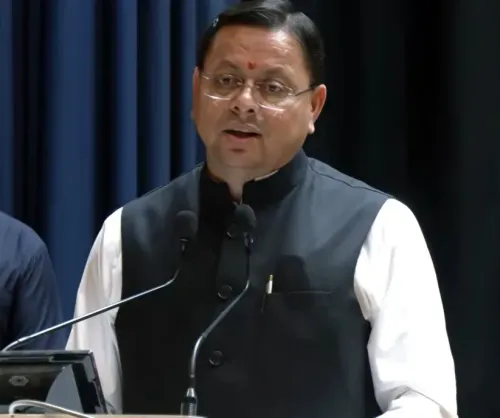
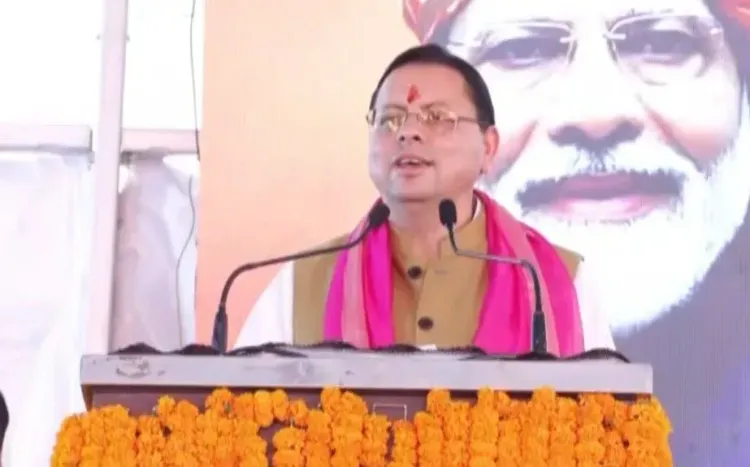
Prosperity follows the service of the cow — and Uttarakhand Chief Minister Pushkar Singh Dhami is putting that belief into policy. On Thursday, 24 September 2026, the Chief Minister's Office of Uttarakhand posted on X, quoting CM Dhami's assertion that the state is actively modernising its gaushalas (cow shelters) while simultaneously promoting cow-based organic agriculture across the state.
In his own words: 'जहां गौ माता की सेवा होती है वहां समृद्धि आती है' — 'Where the cow mother is served, prosperity follows.' The statement frames Uttarakhand's dual push: upgrading the physical infrastructure of existing cow shelters, and channelling the outputs of cattle rearing — dung, urine, and other bio-inputs — directly into chemical-free farming.
Gaushalas as Agricultural Anchors in the Hills
Uttarakhand's hilly terrain makes large-scale mechanised farming difficult. Livestock has long been woven into the mixed farming systems of the state's rural communities, making cattle welfare and productivity inseparable from rural livelihoods. The state has maintained a Gau Seva Aayog since the early 2000s, giving institutional weight to cow protection and welfare initiatives.
Modernising gaushalas, in this context, means more than better shelters — it means turning them into functional hubs that supply verified organic inputs to surrounding farms. Gaushala operators and small farmers stand to benefit directly if the upgrades translate into a reliable, affordable supply chain for bio-fertilisers and natural pest deterrents.
How Uttarakhand's Push Fits the National Organic Farming Drive
Uttarakhand is not moving in isolation. Several Indian states have built policies linking cow shelter upgrades with the production of natural farming inputs, reflecting a blend of cultural priorities and a hard-nosed push away from chemical dependency in agriculture. The central government's broader natural and organic farming programmes have created a policy runway that state governments are increasingly using to justify and fund exactly this kind of initiative.
For Uttarakhand — a state with substantial organic farming potential given its relatively low industrialisation — the cow-based approach offers a locally grounded entry point into certified organic supply chains. The question now is scale and speed: budget allocations for gaushala infrastructure, plus training and certification programmes for farmers using cow-based inputs, will determine whether the vision holds in practice.
Point of View
Without transparent budget commitments and measurable output targets, such announcements risk remaining aspirational rather than transformative. The real test will be whether Uttarakhand's Gau Seva Aayog evolves into a market-linked institution rather than a welfare body alone.
NationPress
24 Sept 2026
Frequently Asked Questions
What is Uttarakhand's plan for gaushala modernisation?
The Uttarakhand government under CM Pushkar Singh Dhami is working to upgrade existing cow shelters — gaushalas — with better infrastructure while also promoting the use of cow-based bio-inputs such as dung and urine as organic fertilisers for farming.
What is the Gau Seva Aayog in Uttarakhand?
The Gau Seva Aayog is a state-level body established in Uttarakhand in the early 2000s to oversee cow protection, welfare, and related programmes, and it provides the institutional framework for current modernisation efforts.
How does cow-based farming help Uttarakhand's farmers?
In Uttarakhand's hilly terrain, where mechanised farming is limited, livestock is central to rural livelihoods. Cow-based organic inputs like bio-fertilisers offer small farmers a locally available, affordable alternative to chemical inputs, supporting both income and soil health.
Is organic farming linked to gaushalas a national policy in India?
Yes, several Indian states have adopted similar approaches under the broader national push for natural and organic farming, using cow shelter networks to supply certified bio-inputs to nearby farming communities.
What should we watch for next in Uttarakhand's gaushala policy?
Key indicators to watch include state budget allocations specifically for gaushala infrastructure, and the launch of any training or certification programmes that help farmers access and use cow-based organic inputs at scale.