Giriraj Singh: India's FTA exports surge 24% to $57.17 bn
Synopsis
Union Textiles Minister Giriraj Singh highlights a ~24% surge in India's exports to FTA partner nations, reaching $57.17 billion, citing agreements with the UAE, Australia, ASEAN, South Korea, Japan, and ongoing UK FTA talks as key drivers of India's expanding global trade footprint.
Key Takeaways
India's exports to FTA partner countries have risen approximately 24 percent to $57.17 billion , according to data cited by Union Textiles Minister Giriraj Singh .
Key FTA partners highlighted include the UK, UAE, Australia, Oman, South Korea, Japan , and the ASEAN bloc .
India's CEPA with the UAE (effective May 2022) and ECTA with Australia (effective December 2022) are among the most recent bilateral agreements driving export growth.
The India-ASEAN and India-South Korea CEPAs , both in force since January 2010 , remain foundational pillars of India's FTA export network.
The India-UK FTA remains under negotiation since 2022 and its conclusion could add a significant new high-income market corridor.
As Textiles Minister, Giriraj Singh's emphasis on FTA export data underscores the textile sector's direct stake in preferential market access agreements.
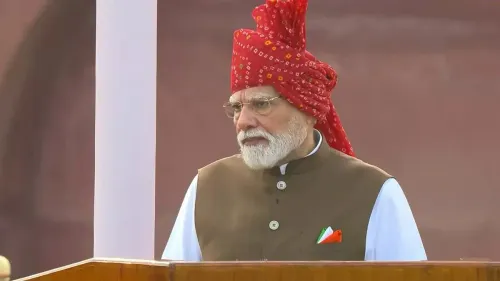
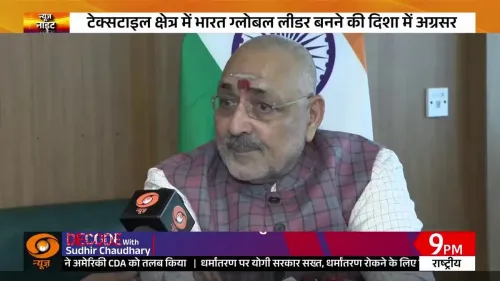
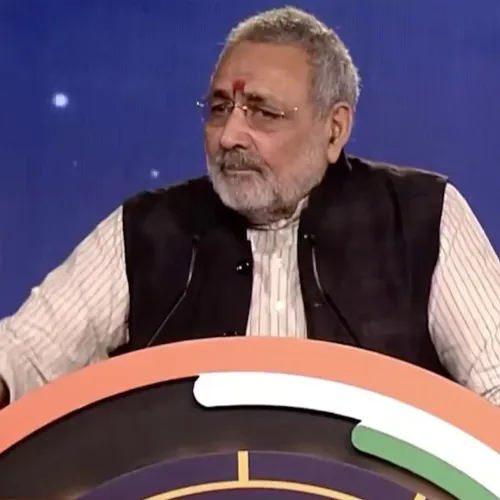
India's export engine is firing on the back of its free trade deal network — and the numbers are hard to ignore. Union Textiles Minister Giriraj Singh on Thursday, September 24, 2026, cited official trade data showing that India's exports to FTA partner countries have surged nearly 24 percent to reach $57.17 billion, flagging it as proof of the country's rising footprint on the global trade stage.
Posting in Hindi, Singh wrote: 'वैश्विक व्यापार के मंच पर भारत का बढ़ता प्रभाव!' ('India's growing influence on the global trade stage!'), highlighting that FTA partnerships with the UK, UAE, Australia, Oman, South Korea, Japan, and the ASEAN bloc are 'opening doors to new opportunities and giving Indian products a fresh identity in global markets.'
The FTA architecture behind the $57 billion milestone
The jump did not happen overnight — it is the cumulative payoff from a decade-and-a-half of deal-making. India's Comprehensive Economic Partnership Agreement (CEPA) with the UAE, signed in February 2022 and in force from May 2022, was the first major bilateral pact concluded in years and is widely seen as a template for faster, goods-first negotiations. The India-Australia Economic Cooperation and Trade Agreement (ECTA), clinched in April 2022 and effective from December 2022, added another large, high-income market to the roster.
Older pillars remain load-bearing. The India-ASEAN Free Trade Agreement on goods came into force in January 2010, knitting India into a bloc of ten Southeast Asian economies. The India-South Korea Comprehensive Economic Partnership Agreement also entered into force in January 2010, while the India-Japan Comprehensive Economic Partnership Agreement, signed in 2011, extended preferential access across goods, services, and investment. Together, these agreements form a web that now accounts for the export volumes Singh is pointing to.
Textiles in the frame — and why Singh is the one talking
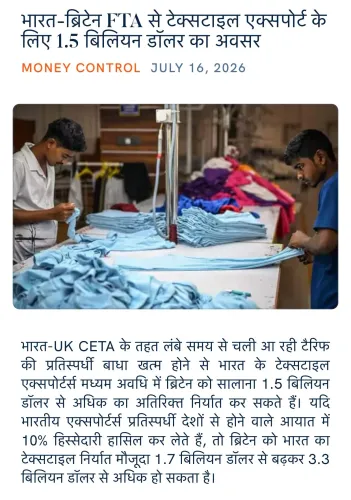
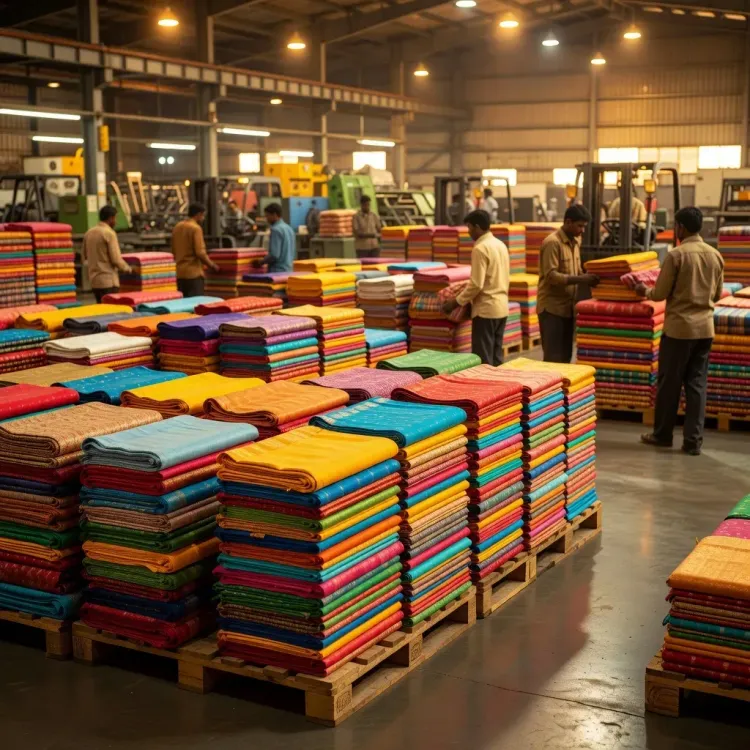
It is worth noting who is amplifying this data. As Union Minister of Textiles, Giriraj Singh oversees one of India's largest export sectors — textiles and apparel consistently rank among the country's top five export categories. Many of the FTA partners he names — the UAE, Australia, and the ASEAN bloc — are significant buyers of Indian fabric, yarn, and garments. A 24 percent export lift across FTA destinations feeds directly into the sectoral narrative his ministry is building: that Indian manufacturers can compete and win in premium markets when tariff barriers come down.
The deal still being watched — and what comes next
Conspicuous by its absence from any 'done deal' column is the India-UK Free Trade Agreement. Negotiations have been underway since 2022, with multiple rounds completed, but a final text has yet to be signed. The UK — which Singh specifically names as a target partner — represents a substantial prize: a high-income, English-speaking market with a large Indian diaspora and strong appetite for Indian textiles, food, and services. Closing that deal would add another significant FTA corridor to the ones already generating the numbers Singh is celebrating today.
India's pivot from multilateral trade forums toward targeted bilateral deals has accelerated sharply since 2022. The strategic logic is straightforward: a bilateral agreement can be tailored to India's offensive interests — pushing market access for goods where it is competitive — while ring-fencing sensitive sectors. The $57.17 billion figure, if sustained, would suggest the playbook is working. The real test is whether the next wave of deals — with the EU, the UK, and others — can be closed before the window of goodwill narrows.
Point of View
And the export figures Giriraj Singh cites — if borne out by official data — would represent a tangible vindication of that strategy. Notably, it is the Textiles Minister, not the Commerce Ministry, amplifying this data, signalling how sectoral ministries are increasingly co-opting trade-deal narratives to build investment and confidence in their own domains. The India-UK FTA gap remains the most politically visible test of whether New Delhi can close complex deals with large Western economies as efficiently as it did with the UAE. India's ability to sustain export momentum under these agreements will also depend on non-tariff barrier negotiations, which tend to lag behind headline tariff cuts.
NationPress
24 Sept 2026
Frequently Asked Questions
How much have India's exports to FTA partner countries grown?
According to data cited by Union Textiles Minister Giriraj Singh, India's exports to FTA partner countries have grown by approximately 24 percent, reaching $57.17 billion.
Which countries are India's main FTA trade partners?
India's key FTA partners highlighted by Minister Singh include the UAE, Australia, Japan, South Korea, the UK, Oman, and the ten-nation ASEAN bloc.
When did India's FTA with the UAE come into force?
The India-UAE Comprehensive Economic Partnership Agreement (CEPA) was signed in February 2022 and came into effect in May 2022.
Has India signed an FTA with the UK?
Negotiations for an India-UK Free Trade Agreement have been underway since 2022 with multiple rounds completed, but the deal has not yet been finalised or signed.
Why is the Textiles Minister talking about India's FTA export data?
Textiles and apparel are among India's top export categories, and several of India's FTA partners — including the UAE, Australia, and ASEAN nations — are major buyers of Indian textile products, making FTA export growth directly relevant to the ministry's mandate.