CM Dhami Reaffirms BJP's Push to Empower Women in Uttarakhand
Synopsis
Chief Minister Pushkar Singh Dhami invoked PM Modi's leadership and the 'double engine' government framework to reaffirm Uttarakhand's commitment to women's empowerment, self-reliance, and welfare under existing national schemes.
Key Takeaways
CM Pushkar Singh Dhami posted on 17 November 2026 reaffirming the state's commitment to women's empowerment under PM Modi's leadership.
The post uses the BJP's 'double engine government' formulation, which refers to the party governing both at the Centre and in Uttarakhand since 2017 .
Key welfare anchors cited include Beti Bachao Beti Padhao (launched 2015) and Pradhan Mantri Ujjwala Yojana (launched 2016).
The language of aatmanirbhar and swavalambi mirrors the national 'Aatmanirbhar Bharat' brand, linking state messaging to central policy vocabulary.
No new scheme or statistic was announced; analysts will watch the next Uttarakhand budget session for concrete allocations targeting women.
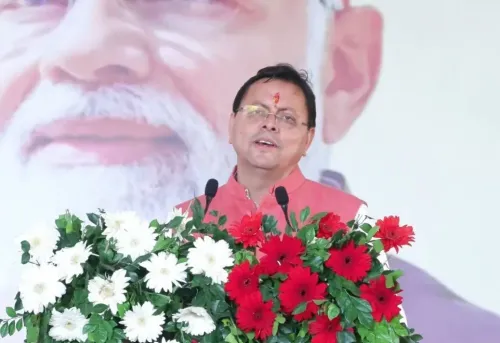
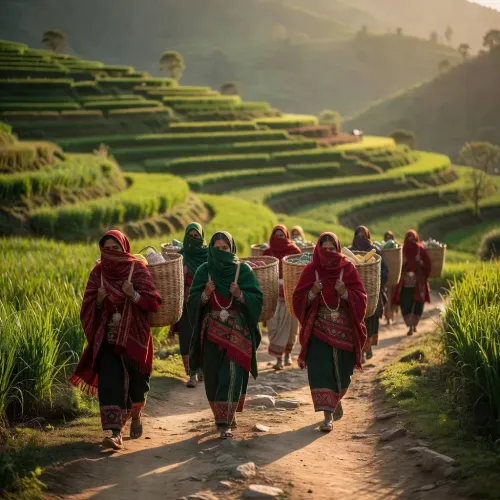
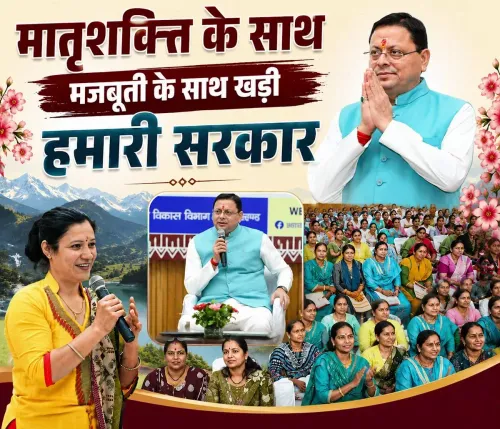
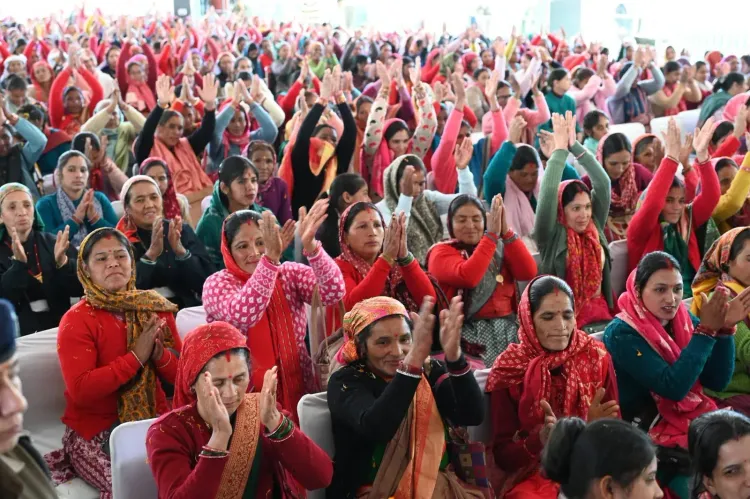
Women's empowerment is once again at the centre of Uttarakhand's political conversation, as Chief Minister Pushkar Singh Dhami publicly reinforced his government's commitment to making matrishakti — the power of mothers — self-reliant and independent, crediting Prime Minister Narendra Modi's leadership as the driving force behind the effort.
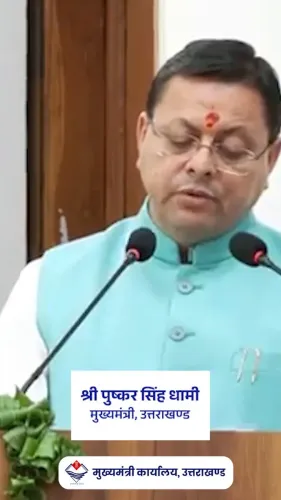
Posting on Tuesday, 17 November 2026, Dhami wrote in Hindi: 'Aadaraniya Pradhanmantri Shri Narendra Modi ji ke kushal netritva mein hamari double engine sarkar matrishakti ko sashakt, swavalambi aur aatmanirbhar banane ke liye nirantar karya kar rahi hai' — meaning, 'Under the able leadership of respected Prime Minister Narendra Modi, our double-engine government is continuously working to make the power of mothers empowered, self-reliant and self-sufficient.'
What the 'Double Engine' Promise Means on the Ground
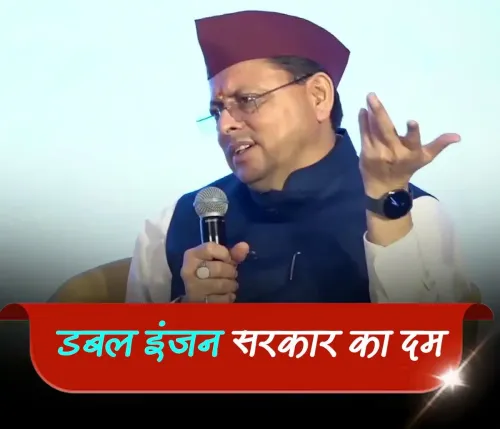
The phrase 'double engine government' is the BJP's signature formulation for states where the party governs both at the Centre and in the state capital — the argument being that aligned governments unlock faster policy delivery for flagship welfare schemes. In Uttarakhand's case, this alignment has been in place since 2017, when the BJP swept to power in Dehradun, and has been a recurring theme in Dhami's public messaging.
Two central schemes form the backbone of this women-welfare narrative: Beti Bachao Beti Padhao, launched in 2015 to improve child sex ratios and girls' education outcomes, and Pradhan Mantri Ujjwala Yojana, rolled out in 2016 to provide LPG cooking-gas connections to women in below-poverty-line households. Uttarakhand has repeatedly cited both programmes as pillars of its outreach to women in hill districts.
A Familiar Frame, an Ongoing Bet
Dhami's post carries no specific new scheme announcement or fresh statistic — it is a restatement of ideological alignment between state and Centre on women's welfare. That framing, however, carries political weight ahead of Uttarakhand's next legislative session, where budget allocations for women-focused programmes will face scrutiny.
The language of aatmanirbhar (self-sufficient) and swavalambi (self-reliant) deliberately mirrors the broader 'Aatmanirbhar Bharat' vocabulary the Modi government has used since 2020 — tethering state-level welfare messaging to a national brand that resonates well beyond Uttarakhand's borders. Whether new state-level initiatives follow this rhetoric in the coming session will be the real test of the pledge.
Point of View
Allowing chief ministers to claim credit for central schemes while reinforcing party unity. With no new scheme named, the post is positioning rather than policy — but it signals that women's welfare will be a headline theme in Uttarakhand's near-term legislative agenda. The real indicator will be whether state budget allocations for women-focused programmes materially increase in the next session.
NationPress
17 Nov 2026
Frequently Asked Questions
What is the 'double engine government' Dhami is referring to?
The 'double engine government' is a BJP term describing states where the party governs both at the national level and in the state, allowing faster and more aligned implementation of central welfare schemes. Uttarakhand has had a BJP government since 2017.
Which central schemes support women's empowerment in Uttarakhand?
Key schemes include Beti Bachao Beti Padhao, launched in 2015 to improve girls' education and child sex ratios, and Pradhan Mantri Ujjwala Yojana, started in 2016 to provide LPG connections to women in below-poverty-line households.
What does matrishakti mean in CM Dhami's post?
Matrishakti literally translates to 'the power of mothers' or 'women's power'. Dhami used the term to refer broadly to women as a group whose empowerment and self-reliance his government is working towards.
Did CM Dhami announce a new scheme for women in this post?
No. The post is a reaffirmation of existing policy direction and ideological alignment with PM Modi, with no specific new scheme or statistic announced.
What is aatmanirbhar and why does Dhami use that word?
Aatmanirbhar means 'self-sufficient' or 'self-reliant'. The term is central to PM Modi's national 'Aatmanirbhar Bharat' initiative, and Dhami's use of the word links Uttarakhand's women-welfare messaging directly to that national policy brand.