CM Dhami Reaffirms Commitment to Uttarakhand Culture and Hills
Synopsis
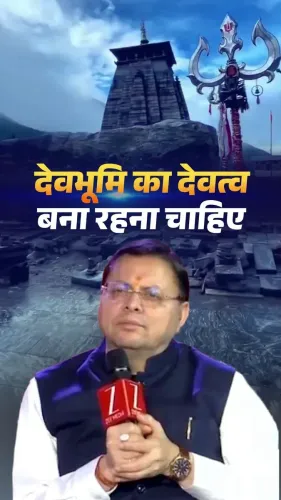
Uttarakhand CM Pushkar Singh Dhami on 6 August 2026 reaffirmed on X that Devbhoomi's sacred land, rich culture, and Himalayan peaks are the state's identity, pledging committed government action for their conservation, promotion, and development.
Key Takeaways
CM Pushkar Singh Dhami posted on X on 6 August 2026 reaffirming Uttarakhand's cultural and geographical identity.
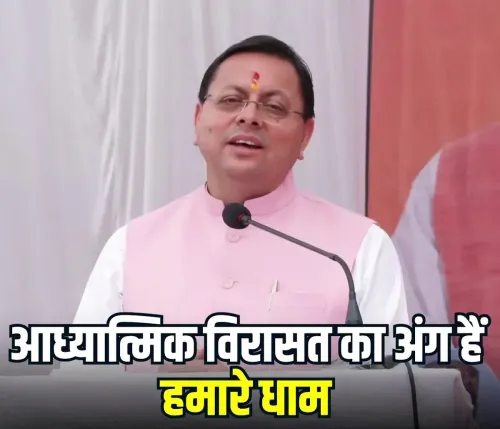
He described the sacred land of Devbhoomi , its rich culture, and its mountains as the state's core identity.
Dhami pledged government commitment to conservation, promotion, and development of these pillars.
He tagged PM Narendra Modi , Home Minister Amit Shah , and Defence Minister Rajnath Singh , signalling central alignment.
The post reflects the BJP 's consistent strategy of linking Uttarakhand's development narrative to Himalayan ecology and religious heritage.
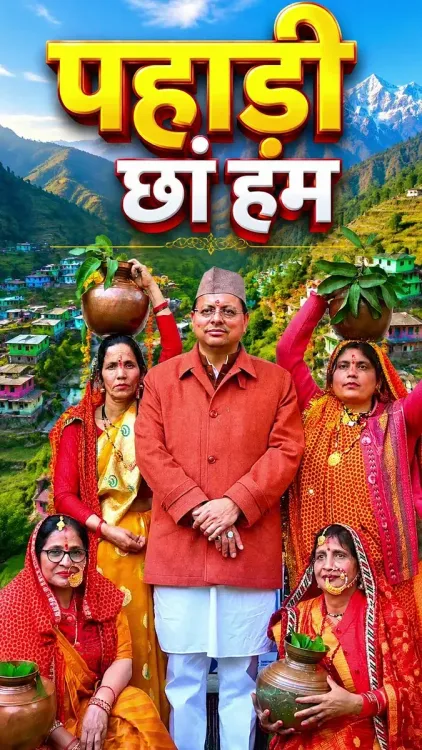
The mountains are not just geography — for Uttarakhand Chief Minister Pushkar Singh Dhami, they are identity itself. On 6 August 2026, Dhami took to X to declare that the sacred land of Devbhoomi (Land of the Gods), its rich culture, and its Himalayan peaks define the state — and that his government is working with firm commitment to protect, promote, and develop all three.
In his post, Dhami wrote: 'Devbhoomi ki yah pavan dharti, hamari samridh sanskriti aur pahad hi hamari pahchaan hain. Inke sanrakshan, samvardhan aur vikas ke liye hum pratibadddhata ke saath karya kar rahe hain.' — 'This sacred land of Devbhoomi, our rich culture and the mountains are our identity. We are working with commitment for their conservation, promotion and development.' He tagged Prime Minister Narendra Modi, Union Home Minister Amit Shah, and Union Defence Minister Rajnath Singh, alongside the BJP's national and state handles.
Devbhoomi as a Political and Cultural Anchor
The term Devbhoomi — Land of the Gods — is not merely poetic. Uttarakhand is home to some of India's most revered pilgrimage circuits, including the Char Dham (Yamunotri, Gangotri, Kedarnath, and Badrinath), drawing millions of pilgrims and tourists each year. The state's identity has long been inseparable from its Himalayan ecology and its religious and cultural heritage.
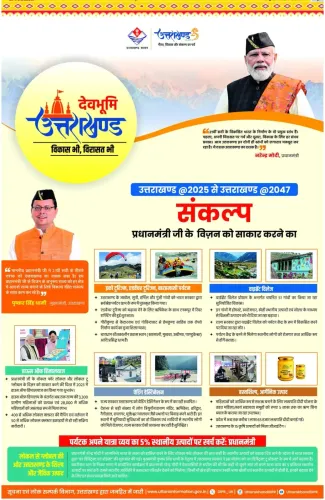
BJP governments in Uttarakhand have consistently framed development through this dual lens: ecological stewardship and cultural preservation alongside infrastructure and economic growth. Dhami's post fits squarely within that established narrative — reaffirming the party's positioning of the Himalayan state as a zone of both spiritual significance and modern governance ambition.
Central Leadership in the Frame
By tagging Modi, Shah, and Rajnath Singh directly, Dhami signals that Uttarakhand's cultural and developmental agenda is not being pursued in isolation — it is presented as aligned with and supported by the top tier of the BJP's national leadership. This kind of public alignment is a familiar feature of BJP state-centre communication, reinforcing a unified political message on regional identity and governance.
Whether the post presages a specific policy announcement — a new cultural scheme, an environmental initiative, or a central government engagement in the state — remains to be seen. What it does, with clarity, is plant a flag: in Uttarakhand, the hills and the heritage are not a backdrop. They are the brief.
Point of View
Not peripheral. For a state that depends heavily on pilgrimage tourism and whose ecological fragility is a live political issue, this framing carries real electoral utility. Watch for whether a concrete policy announcement follows, or whether this remains ambient brand-building ahead of any future electoral cycle.
NationPress
6 Aug 2026
Frequently Asked Questions
What did Uttarakhand CM Dhami post on X on 6 August 2026?
CM Pushkar Singh Dhami posted that the sacred land of Devbhoomi, Uttarakhand's rich culture, and its mountains are the state's identity, and that his government is committed to their conservation, promotion, and development.
Why is Uttarakhand called Devbhoomi?
Uttarakhand is called Devbhoomi — meaning 'Land of the Gods' — because it is home to major Hindu pilgrimage sites including the Char Dham (Yamunotri, Gangotri, Kedarnath, and Badrinath), making it one of India's most sacred regions.
Why did CM Dhami tag PM Modi, Amit Shah, and Rajnath Singh in his post?
By tagging senior BJP national leaders, Dhami signalled that Uttarakhand's cultural and developmental agenda is aligned with and supported by the central government's top leadership.
What is the BJP's approach to Uttarakhand's development?
The BJP has consistently framed Uttarakhand's development through a dual lens of Himalayan ecological stewardship and cultural-religious heritage preservation, alongside infrastructure and economic growth.
Is there a new scheme or policy announced by CM Dhami in this post?
No specific new scheme or policy was announced in this post. Dhami reaffirmed his government's existing commitment to protecting and developing Uttarakhand's culture, mountains, and heritage.