CM Dhami Reviews Pre-Monsoon Disaster Readiness at Uttarakhand SEOC
Synopsis
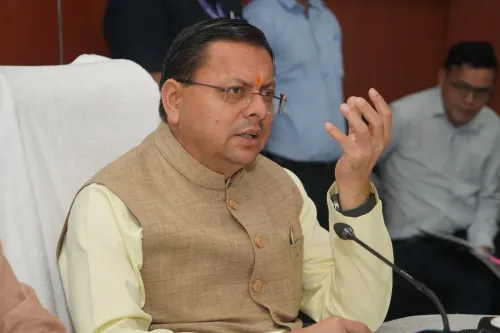
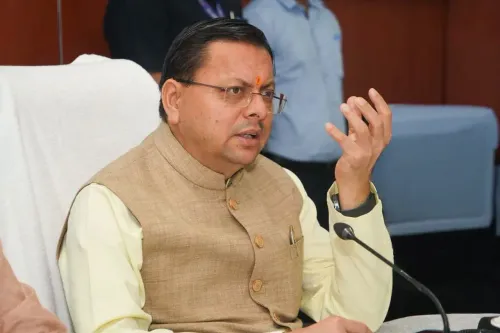
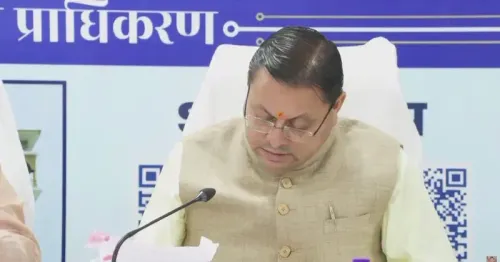
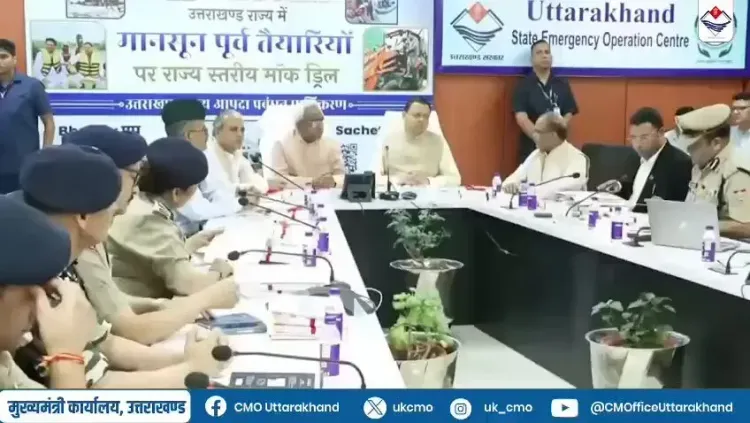
Chief Minister Pushkar Singh Dhami reviewed Uttarakhand's pre-monsoon disaster preparedness from the State Emergency Operations Centre in Dehradun on 2 July 2026, conducting a mock drill to assess state-wide readiness ahead of the monsoon season. The exercise reflects the state's post-2013 commitment to proactive disaster governance.
Key Takeaways
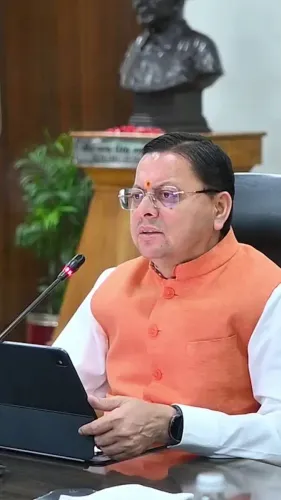
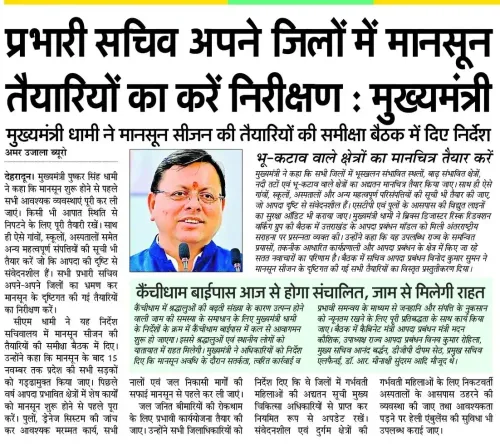
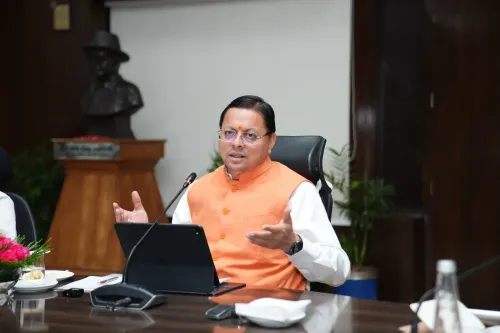
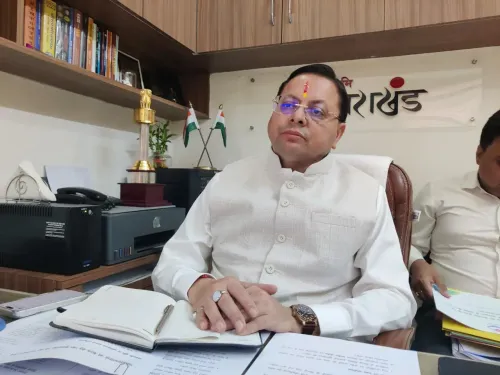
CM Pushkar Singh Dhami personally led a pre-monsoon preparedness review at the State Emergency Operations Centre (SEOC) in Dehradun on 2 July 2026 .
The review included a mock drill to assess disaster response readiness across all districts of Uttarakhand.
Uttarakhand's mandatory pre-monsoon reviews were institutionalised following the catastrophic 2013 Kedarnath disaster .
The National Disaster Management Authority mandates regular mock drills for all states under the Disaster Management Act, 2005 .
Key stakeholders include hill communities , pilgrims , tourists , and emergency responders such as the SDRF and district administrations.
Analysts will watch the 2026 monsoon season to evaluate the effectiveness of the preparedness mechanisms reviewed during the drill.
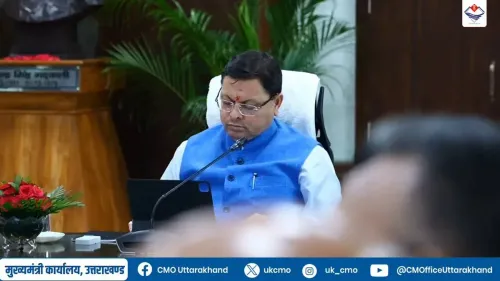
Chief Minister Pushkar Singh Dhami conducted a pre-monsoon preparedness review at the State Emergency Operations Centre (SEOC) in Dehradun on 2 July 2026, assessing the disaster readiness of all districts across Uttarakhand through a mock drill exercise.
Context
The Chief Minister's Office posted on X that CM Dhami surveyed the disaster situation across the entire state — पूरे प्रदेश की आपदा स्थिति का जायजा लिया ('took stock of the disaster situation across the entire state') — while reviewing pre-monsoon preparations from the SEOC. The review was conducted as part of a structured mock drill, with Dehradun serving as the central coordination point.
The SEOC functions as the nodal hub for monitoring emergencies and coordinating multi-agency disaster response across the state. Its activation for a pre-monsoon review signals the administration's intent to stress-test communication and response chains before the monsoon season intensifies across the Himalayas.
Policy Backdrop
Uttarakhand's institutionalised approach to pre-monsoon reviews dates to the aftermath of the 2013 Kedarnath disaster, which exposed critical gaps in early warning and inter-agency coordination. Following that catastrophe, the state strengthened its State Disaster Management Authority (SDMA) and made annual pre-season reviews a mandatory administrative exercise.
At the national level, the Disaster Management Act, 2005 and the National Disaster Management Authority (NDMA) have mandated regular mock drills for all states to ensure preparedness protocols remain current. Uttarakhand, lying in a seismically active and ecologically fragile Himalayan zone, has been among the states most consistent in conducting such exercises given its exposure to cloudbursts, flash floods, and landslides.
Climate variability has intensified monsoon extremes across the region in recent years, prompting successive state governments to integrate SEOC-led monitoring with granular district-level response plans aimed at reducing reaction time when disasters strike.
Stakeholders and Impact
The preparedness review directly concerns hill communities living in landslide- and flood-prone zones, as well as the large volume of pilgrims and tourists who travel through Uttarakhand during the summer and monsoon months along routes such as the Char Dham corridor. Effective SEOC coordination can mean the difference between timely evacuation and loss of life in remote valleys.
Emergency responders — including the State Disaster Response Force (SDRF), district administrations, and local police — are the operational stakeholders whose readiness is evaluated through such drills. A mock drill of this nature allows authorities to identify bottlenecks in communication, equipment deployment, and inter-departmental coordination before an actual emergency.
What's Next
Attention will now turn to how the 2026 monsoon season tests the mechanisms reviewed during this exercise, particularly in high-risk districts along the Garhwal and Kumaon ranges. Any supplementary budget allocations for slope stabilisation works or upgrades to early-warning systems would be a logical policy follow-through from a review of this kind.
The broader national shift toward proactive disaster governance — rather than reactive relief — means that the performance of Uttarakhand's response framework this monsoon will be closely watched as a benchmark for other mountain states facing similar climate pressures.
Point of View
Demonstrating command-and-control readiness before the monsoon is both a governance imperative and a political signal. The real test, however, will be the state's on-ground response when the first major cloudburst or landslide event of 2026 occurs.
NationPress
2 Jul 2026
Frequently Asked Questions
Why did CM Dhami visit the SEOC in Dehradun?
CM Pushkar Singh Dhami visited the State Emergency Operations Centre in Dehradun on 2 July 2026 to review pre-monsoon disaster preparedness and oversee a mock drill assessing state-wide readiness.
What is the State Emergency Operations Centre in Uttarakhand?
The State Emergency Operations Centre (SEOC) in Dehradun is the nodal coordination hub for monitoring emergencies and managing multi-agency disaster response across all districts of Uttarakhand.
Why does Uttarakhand conduct pre-monsoon disaster drills every year?
Annual pre-monsoon reviews became mandatory in Uttarakhand after the 2013 Kedarnath disaster exposed gaps in early warning and coordination. The National Disaster Management Authority also mandates regular mock drills for all states under the Disaster Management Act, 2005.
What are the main disaster risks in Uttarakhand during monsoon?
Uttarakhand faces landslides, flash floods, and cloudbursts during the monsoon season due to its position in a seismically active and ecologically fragile Himalayan zone. Climate variability has intensified these risks in recent years.
Who are the key stakeholders in Uttarakhand's disaster preparedness?
Key stakeholders include hill communities in flood- and landslide-prone areas, pilgrims and tourists on routes like Char Dham, and emergency responders such as the State Disaster Response Force, district administrations, and local police.