CM Dhami transfers ₹11 crore to 4,400 workers via DBT
Synopsis
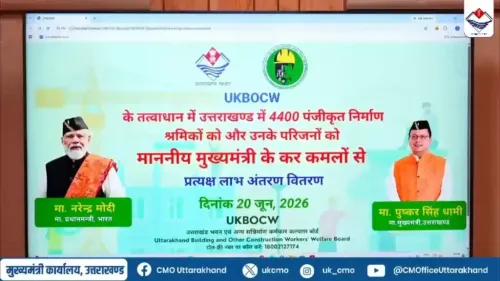
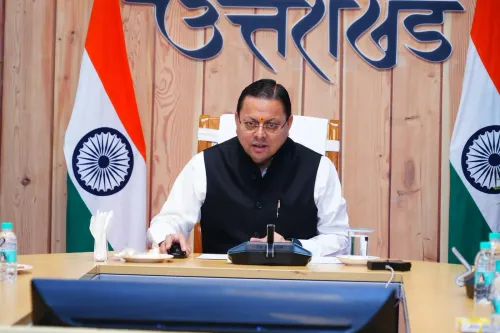
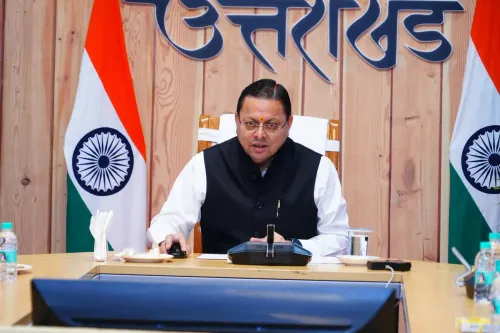
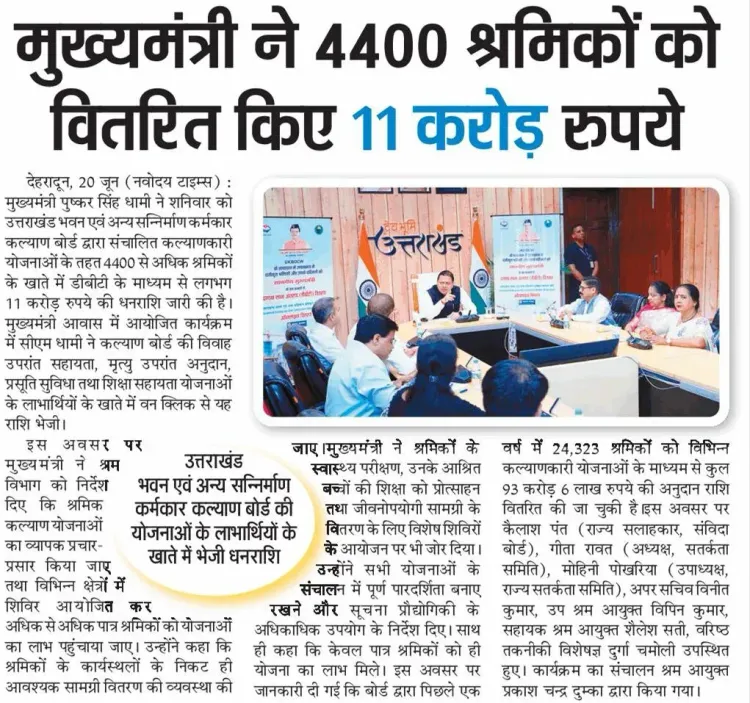
Chief Minister Pushkar Singh Dhami has transferred ₹11 crore directly into the bank accounts of 4,400 labourers in Uttarakhand via the Direct Benefit Transfer mechanism, the Chief Minister's Office announced on 21 June 2026.
Key Takeaways
₹11 crore transferred directly to 4,400 workers in Uttarakhand via DBT on 21 June 2026 .
The disbursement was announced by the Chief Minister's Office of Uttarakhand on X.
Chief Minister Pushkar Singh Dhami executed the transfer through the Direct Benefit Transfer mechanism, routing funds straight to individual bank accounts.
Beneficiaries are drawn from Uttarakhand's informal workforce, including construction and migrant labourers .
The average transfer works out to approximately ₹25,000 per worker .
The move aligns with India's national DBT mission , launched in 2013 to reduce leakages in welfare delivery.
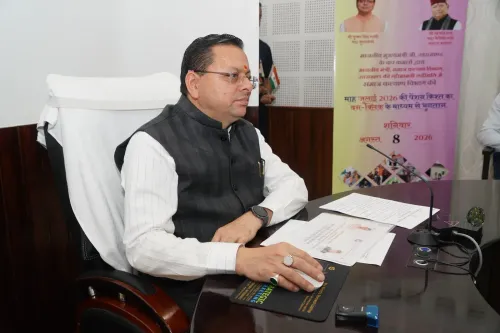
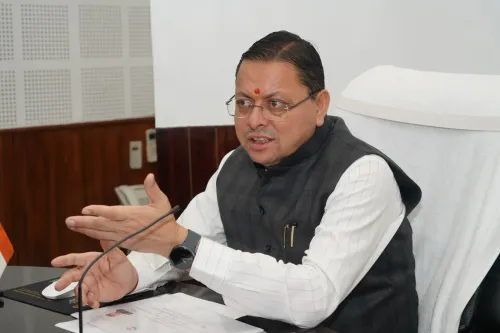
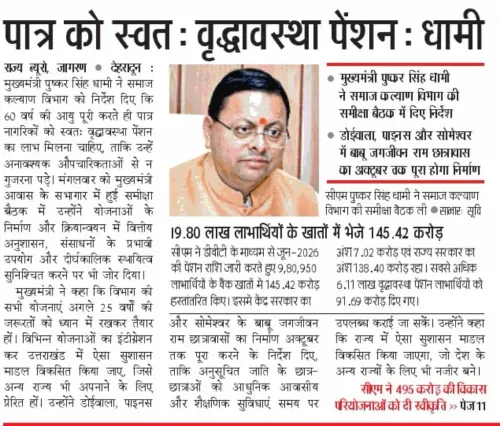
The Chief Minister's Office of Uttarakhand announced on Sunday, 21 June 2026 that Chief Minister Pushkar Singh Dhami has transferred ₹11 crore directly into the bank accounts of 4,400 labourers through the Direct Benefit Transfer (DBT) mechanism.
Context
The official post, shared by the Chief Minister's Office, states: 'Mukhyamantri Shri Pushkar Singh Dhami ne 4400 shramikon ke khaton mein DBT ke madhyam se ₹11 crore bheje' — 'Chief Minister Pushkar Singh Dhami has sent ₹11 crore to the accounts of 4,400 workers through DBT.' The transfer was executed in a single disbursement, routing funds directly to individual bank accounts without intermediaries.
Uttarakhand has a significant informal workforce, including construction labourers and migrant workers who are among the most vulnerable to income disruptions. Direct transfers of this scale represent a meaningful intervention for workers who typically lack access to formal credit or social security nets.
Policy Backdrop
The Direct Benefit Transfer mission was launched by the Government of India in 2013 to eliminate leakages in welfare delivery by routing payments straight into Aadhaar-linked bank accounts. The system has since become the backbone of social protection programmes across Indian states.
Uttarakhand has deployed DBT for labour welfare disbursements under state labour department schemes since at least 2020, aligning with the broader Digital India push for financial inclusion. The current transfer continues that trajectory, using central digital infrastructure for state-level welfare delivery.
Across India, multiple states have scaled DBT for rapid, transparent transfers to informal sector workers — a practice accelerated by pandemic-related economic distress and now institutionalised as standard operating procedure for labour welfare.
Stakeholders and Impact
The 4,400 beneficiaries are drawn from Uttarakhand's labour force, which includes construction workers, migrant labourers, and other informal sector employees registered with the state labour department. Each beneficiary receives a direct credit to their bank account, bypassing the delays and potential diversions associated with cash-based or intermediary-routed disbursements.
At an average of roughly ₹25,000 per worker, the transfer provides a meaningful buffer for households dependent on daily or weekly wages. Labour welfare organisations and trade unions representing informal workers have consistently advocated for precisely this kind of direct, verifiable payment mechanism.
What's Next
Attention will now turn to the Uttarakhand Labour Department's utilisation reports, which will indicate how funds are being categorised — whether as wage support, provident fund contributions, skill development incentives, or emergency relief. Any supplementary budget allocations for worker welfare schemes in the state's ongoing fiscal year will signal whether this disbursement is a one-time measure or part of a sustained programme.
As CM Dhami approaches the next electoral cycle, welfare transfers of this nature are likely to feature prominently in the government's outreach to the state's large informal workforce, setting a benchmark for the scale and frequency of future DBT-linked labour welfare initiatives in Uttarakhand.
Point of View
400 labourers via DBT is a textbook application of India's financial-inclusion infrastructure for state-level welfare, and signals that the Dhami government is leaning on digital payment rails to demonstrate accountability and speed in benefit delivery. The move fits a broader national pattern where state governments have institutionalised DBT not merely as an anti-leakage tool but as a visible political instrument — one that creates a direct, traceable link between the government and the beneficiary. For Uttarakhand, a state with a large and historically underserved informal workforce, the scale and directness of the transfer carry both administrative and electoral weight. The real test will be whether such disbursements are backed by consistent budget allocations or remain episodic headline events.
NationPress
19 Sept 2026
Frequently Asked Questions
How much money did CM Dhami transfer to workers in Uttarakhand?
Chief Minister Pushkar Singh Dhami transferred ₹11 crore to 4,400 workers in Uttarakhand through the Direct Benefit Transfer mechanism on 21 June 2026 .
What is DBT and how does it work in India?
Direct Benefit Transfer (DBT) is a Government of India mechanism launched in 2013 that routes subsidies and welfare payments directly into beneficiaries' Aadhaar-linked bank accounts, eliminating intermediaries and reducing leakages.
Who are the beneficiaries of the Uttarakhand labour DBT transfer?
The 4,400 beneficiaries are labourers registered with the Uttarakhand state labour department, primarily from the informal sector including construction workers and migrant labourers .
What is the average amount each worker received from CM Dhami's transfer?
Based on the total disbursement of ₹11 crore across 4,400 workers , the average transfer works out to approximately ₹25,000 per worker .
Has Uttarakhand used DBT for labour welfare before?
Yes. Uttarakhand has used the DBT mechanism for labour welfare disbursements under state labour department schemes since at least 2020 , in line with the national Digital India initiative.