CM Dhami to Launch Free Online Coaching Scheme for 10,000 Uttarakhand Students
Synopsis
Chief Minister Pushkar Singh Dhami announced the Mukhyamantri Yuva Bhavishy Nirman Yojana on Independence Day 2026, promising free online coaching to 10,000 Class 11 and 12 students in Uttarakhand government schools to prepare for competitive examinations.
Key Takeaways
CM Pushkar Singh Dhami announced the Mukhyamantri Yuva Bhavishy Nirman Yojana on 15 August 2026 .
The scheme targets talented students in Uttarakhand's government schools preparing for competitive examinations.
In its first phase , 10,000 students from Classes 11 and 12 will receive free online coaching .
The announcement addresses the structural disadvantage faced by rural students in accessing private coaching markets.
Rollout details — including selection criteria, exam coverage, and subsequent phases — are yet to be announced.
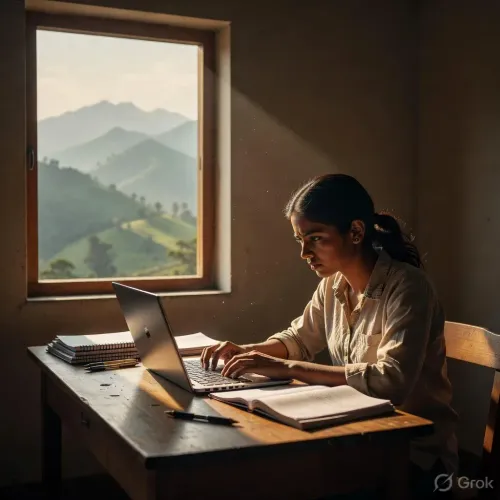
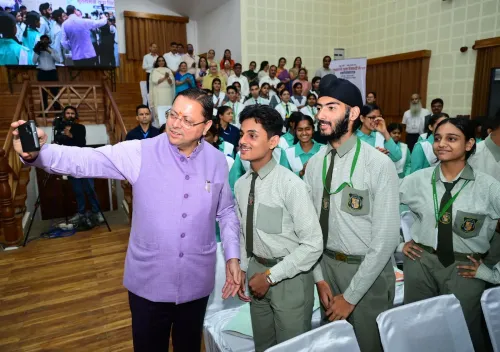
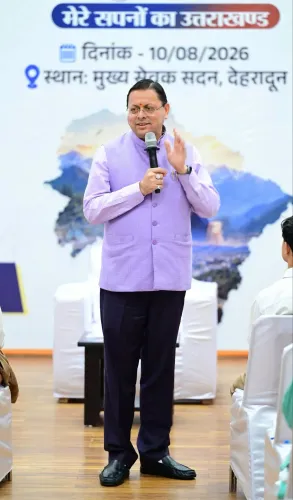
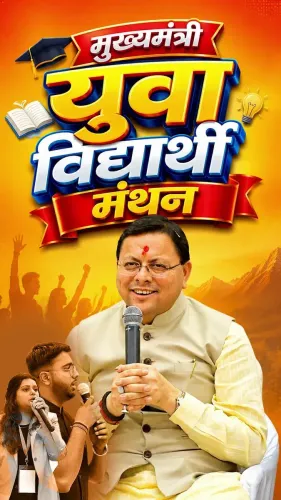
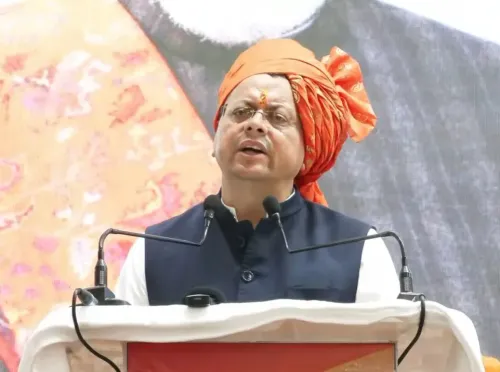
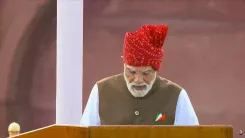
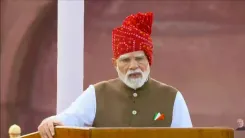
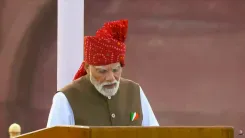
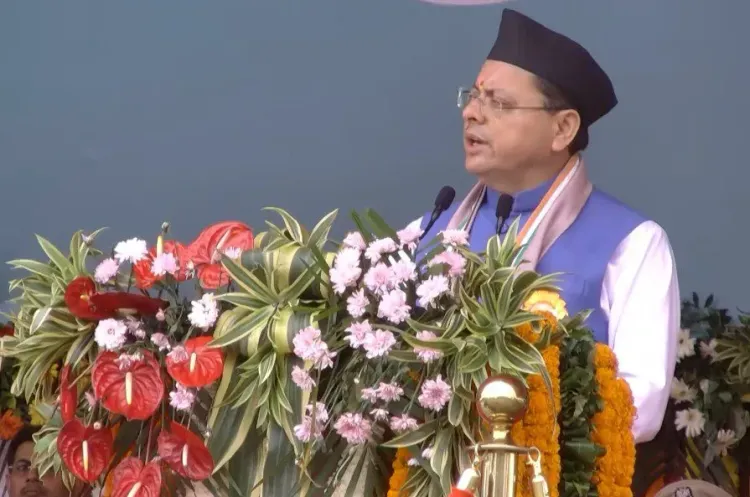
Uttarakhand's government school students competing for seats in national entrance exams just got a significant state-backed push. On Independence Day, 15 August 2026, the Chief Minister's Office of Uttarakhand announced that Chief Minister Pushkar Singh Dhami will soon launch the 'Mukhyamantri Yuva Bhavishy Nirman Yojana' — a scheme designed to level the playing field for talented students in state-run schools who lack access to quality coaching.
What the scheme promises: 10,000 students, zero fees
In his own words, CM Dhami stated: 'To provide better opportunities to talented students in government schools of the state for competitive exam preparation, we are going to launch the Mukhyamantri Yuva Bhavishy Nirman Yojana.' The first phase is unambiguous in its scope — 10,000 students from Classes 11 and 12 will receive free online coaching for competitive examinations. No fees. No catch announced yet.
The gap this scheme is trying to close
Across India, the private coaching industry — centred in cities like Kota, Delhi, and Hyderabad — commands fees that routinely run into lakhs of rupees per year. For students in Uttarakhand's largely rural, mountainous government schools, that market is effectively out of reach. The state's terrain compounds the disadvantage: physical access to quality coaching centres is limited even where money exists. Online delivery is not just convenient here — it is the only viable model at scale.
Several Indian states have attempted similar interventions, from residential 'super-30' style programmes to government-funded online platforms. Uttarakhand's announcement follows this broader national pattern of states supplementing central education frameworks with targeted, localised support for competitive exam aspirants — particularly for high-stakes tests like JEE, NEET, and civil services.
CM Dhami's education push since 2021
Pushkar Singh Dhami, who has led Uttarakhand since March 2021, has consistently positioned youth employment and education access as pillars of his administration. A scheme of this kind — announced on Independence Day, no less — carries both policy weight and political symbolism. The timing signals intent: this is a flagship promise, not a footnote.
The critical details still to come are the rollout mechanism for the first phase, the selection criteria for the 10,000 beneficiaries, which competitive exams will be covered, and whether subsequent phases will expand numbers or add an offline component for students with limited internet access in remote hill districts.
Free coaching for 10,000 government school students is a start — the real test is whether the infrastructure, the content quality, and the follow-through match the ambition of the announcement.
Point of View
Framing access to opportunity as a state duty. For Dhami, it consolidates his administration's youth-centric narrative ahead of any future electoral cycle. The real policy test, however, will be execution: past state coaching initiatives across India have struggled with content quality, student retention, and connectivity gaps in remote areas — precisely the challenges most acute in Uttarakhand's hill districts.
NationPress
15 Aug 2026
Frequently Asked Questions
What is the Mukhyamantri Yuva Bhavishy Nirman Yojana?
It is a new scheme announced by Uttarakhand Chief Minister Pushkar Singh Dhami to provide free online coaching for competitive examinations to talented students studying in government schools across the state.
How many students will benefit from this scheme?
In the first phase, 10,000 students from Classes 11 and 12 in Uttarakhand government schools will receive free online coaching.
Which exams will the free coaching cover?
The announcement does not specify exact exams, but the scheme is aimed at competitive examination preparation broadly — which in the Indian context typically includes JEE, NEET, and civil services entrance tests.
When will the Mukhyamantri Yuva Bhavishy Nirman Yojana be launched?
CM Dhami announced on 15 August 2026 that the scheme will be launched 'soon', but a specific launch date has not yet been confirmed.
Who is eligible for the free coaching under this Uttarakhand scheme?
Eligible students are talented Class 11 and 12 students enrolled in government schools in Uttarakhand. Detailed selection criteria have not yet been released.