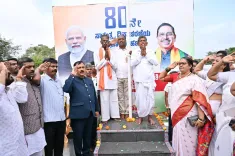
Shivraj Credits 12 Years of Planning for India's Energy, Urea Stability

Synopsis
On Independence Day 2026, Union Agriculture Minister Shivraj Singh Chouhan credited 12 years of PM Modi-led policymaking — from neem-coated urea mandates to strategic petroleum reserves — for ensuring India's availability of gas, petrol, and urea despite global supply crises.
Key Takeaways
Union Agriculture Minister Shivraj Singh Chouhan posted on Independence Day, August 15, 2026 , crediting 12 years of policy planning for India's current availability of gas, petrol, and urea.
He quoted PM Narendra Modi and invoked the phrase Nagrik Devo Bhava to frame citizen welfare as the guiding principle of the government's crisis preparedness.
Key policy milestones cited in research include the neem-coated urea mandate (2015) , Strategic Petroleum Reserve expansion (from 2016) , and the Atmanirbhar Bharat initiative (May 2020) .
India's domestic buffers were stress-tested during the 2020–22 global supply disruptions caused by pandemic lockdowns and the Russia-Ukraine conflict .
Fertilizer production and import data for the coming fiscal year will be a key indicator of how durable India's urea self-sufficiency actually is.
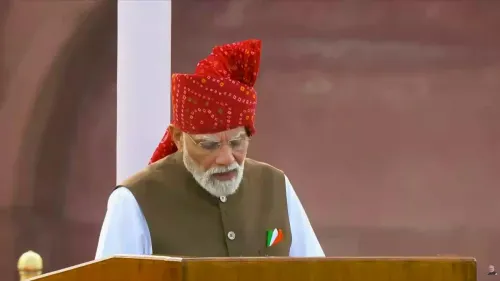
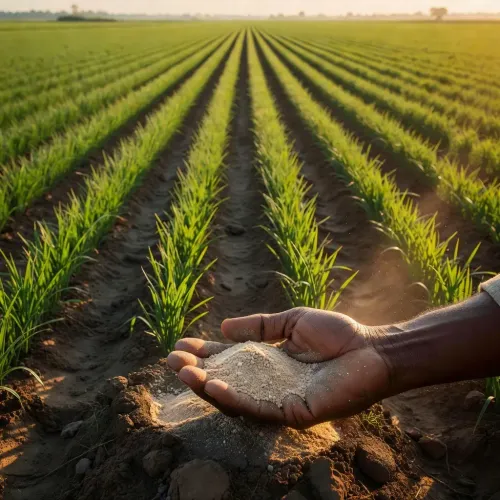
On Independence Day, August 15, 2026, Union Agriculture Minister Shivraj Singh Chouhan pointed to what he called the payoff of over a decade of deliberate policymaking — arguing that India's current availability of natural gas, petrol, and urea is no accident, but the harvest of seeds sown since 2014.
Quoting Prime Minister Narendra Modi, Chouhan wrote: 'The well-considered plans of the past 12 years are now bearing fruit. Despite such a massive crisis, India had made preparations and taken steps while living by the mantra of Nagrik Devo Bhava [the citizen is divine] — and those steps came to the rescue in the hour of need. Today, the country has gas, petrol, and urea.' The post was accompanied by a video and tagged #IndiaIndependenceDay.
Twelve Years of Quiet Infrastructure-Building
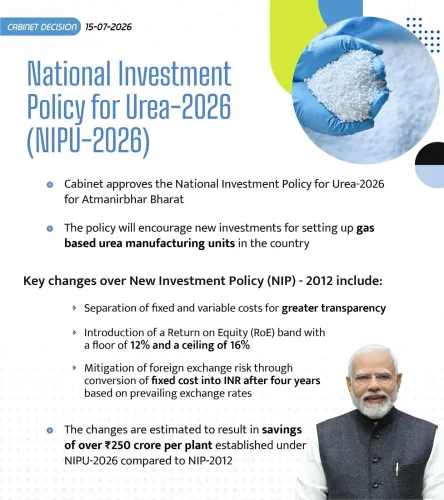
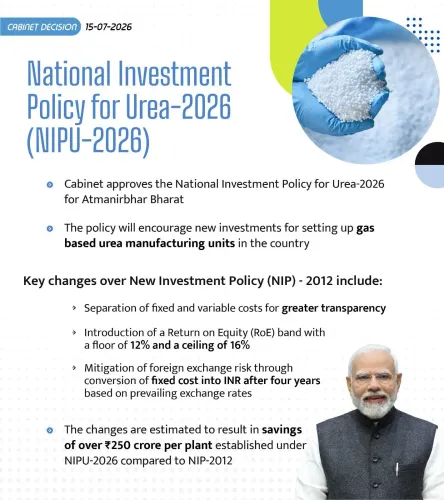
The policy trail Chouhan gestures at is real and traceable. The neem-coated urea mandate of 2015 curbed diversion and improved nitrogen use efficiency across Indian farms. New fertilizer plant capacity was added under a revised policy framework notified the same year. Strategic Petroleum Reserve expansion was approved in phases from 2016 onward, designed precisely to absorb shocks from volatile global oil markets. The Atmanirbhar Bharat initiative, launched in May 2020, gave political and financial muscle to the broader drive for import substitution in fertilizers, petroleum, and natural gas.When Global Shocks Hit, Domestic Buffers Held
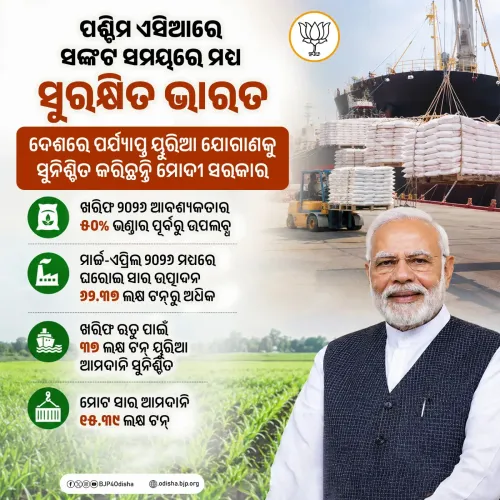
The stress-test came during the 2020–22 period of compounding global disruptions — pandemic-era supply chain collapses followed by the Russia-Ukraine conflict that sent fertilizer and energy prices into historic spikes worldwide. Countries that had not built domestic buffers scrambled; India's messaging on Independence Day 2026 frames its relative stability in gas, petrol, and urea availability as evidence that the buffers worked. For farmers — the constituency Chouhan directly oversees — urea availability is not an abstraction: a shortage at sowing time can devastate an entire kharif or rabi season.The 'Nagrik Devo Bhava' Frame
The phrase Nagrik Devo Bhava — positioning the citizen as the ultimate sovereign to be served — is the rhetorical anchor of the post, inverting the classical Sanskrit hospitality maxim Atithi Devo Bhava. Chouhan uses it to argue that citizen-first governance, not luck, explains why essential inputs remained available through turbulence. The Independence Day platform amplifies the claim: linking long-term policy continuity to national self-reliance is a recurring motif of BJP's governance narrative, and today's post plants that flag squarely on August 15. With fertilizer production and import data for the coming fiscal year still awaited, the full picture of India's urea self-sufficiency remains to be written — but Chouhan has made clear which story the government intends to tell.Point of View
Using the national holiday as a stage to validate a decade-long policy narrative of import substitution and self-reliance in critical inputs. By linking the Nagrik Devo Bhava framing to concrete commodity availability, the BJP is pre-empting any opposition narrative around energy or fertilizer stress. The reference to a 'massive crisis' — without specifying it — is deliberate: it invites voters to fill in their own memory of disruption while crediting the government with having cushioned the blow. For farmers especially, urea availability is a kitchen-table issue, and anchoring it to Independence Day gives the claim maximum emotional reach.
NationPress
15 Aug 2026
Frequently Asked Questions
What did Shivraj Singh Chouhan say on Independence Day 2026?
He credited 12 years of planning under PM Narendra Modi for ensuring India's current availability of gas, petrol, and urea despite a major global crisis, invoking the phrase Nagrik Devo Bhava to frame citizen welfare as the core of governance.
What is the neem-coated urea mandate and why does it matter?
Introduced in 2015 , the neem-coated urea mandate requires urea to be coated with neem oil to prevent industrial diversion and improve nitrogen efficiency for farmers, forming a key plank of India's fertilizer self-reliance strategy.
What is Atmanirbhar Bharat and how does it relate to urea and energy?
Atmanirbhar Bharat , launched in May 2020 , is India's self-reliance initiative that channelled incentives into domestic manufacturing of fertilizers, petroleum products, and natural gas to reduce import dependence.
Why is India's urea availability significant for farmers?
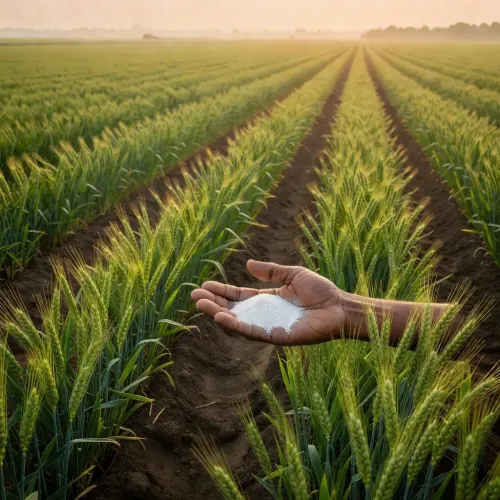
Urea is the most widely used nitrogen fertilizer in India; a shortage at sowing time can devastate kharif or rabi crop yields, making its assured supply a direct food security and farm-income issue for millions of farmers.
What is India's Strategic Petroleum Reserve and when was it expanded?
India's Strategic Petroleum Reserve is a government-maintained stockpile of crude oil to buffer against global supply shocks; expansion projects were approved in phases from 2016 onward as part of energy security planning.