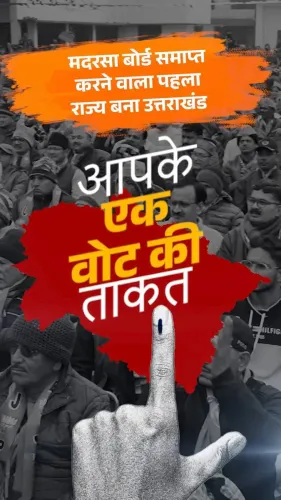
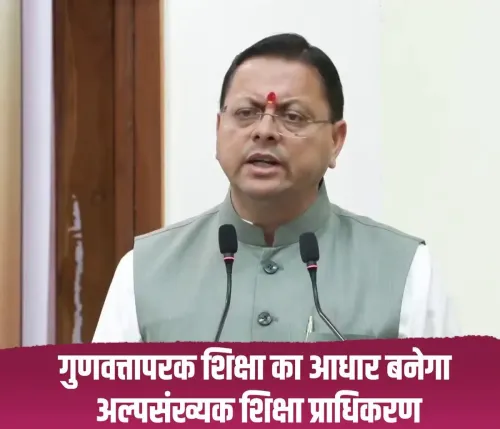
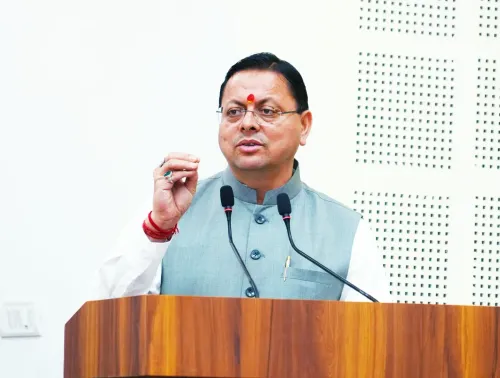
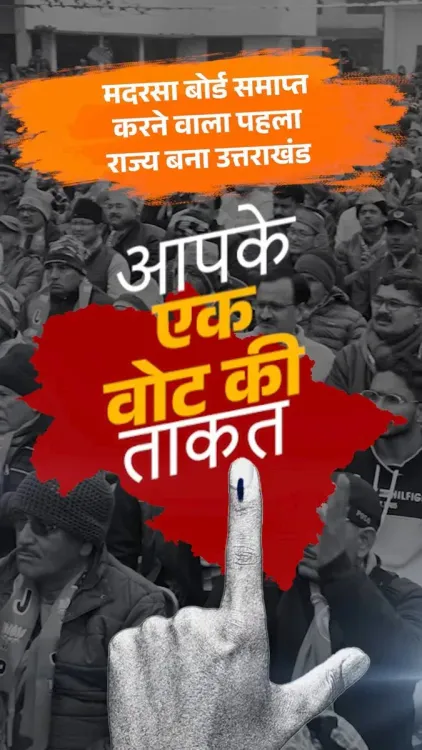
CM Dhami: Uttarakhand first state to abolish Madrasa Board
Synopsis
Uttarakhand CM Pushkar Singh Dhami declared on 1 July 2026 that the state has become the first in India to abolish its Madrasa Education Board, directing minority educational institutions toward a modern, transparent mainstream education framework aligned with BJP's national education agenda.
Key Takeaways
Uttarakhand has become the first Indian state to abolish its Madrasa Education Board, as announced by CM Pushkar Singh Dhami on 1 July 2026 .
Minority educational institutions in the state will now be integrated into the mainstream, modern education system.
The announcement was addressed to PM Narendra Modi , Home Minister Amit Shah , and Defence Minister Rajnath Singh , signalling central BJP endorsement.
The move follows similar but less sweeping madrasa reviews in Uttar Pradesh and Assam in preceding years.
Transition details — covering students, teachers, and institutional recognition — are expected to be formalised through state legislation or official orders.
Constitutional challenges under Articles 29 and 30 are anticipated, consistent with the pattern seen in other states.
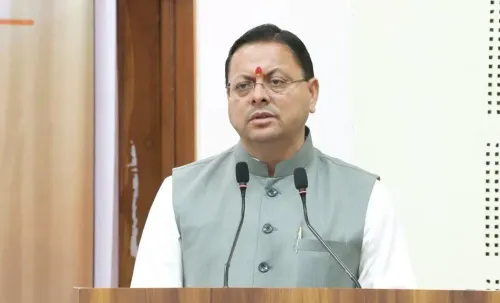
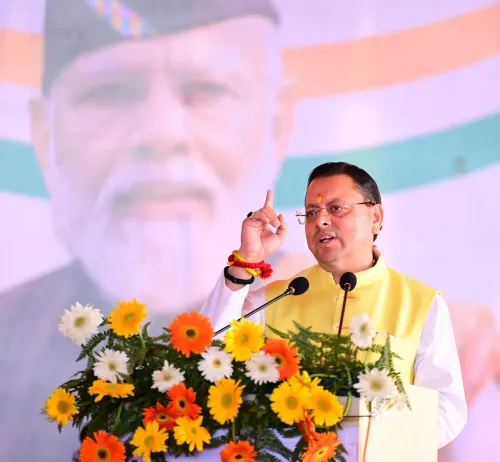
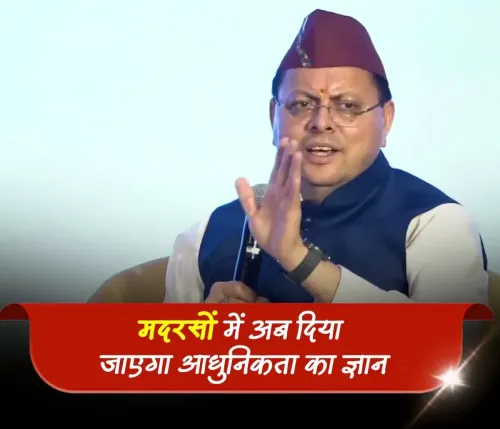
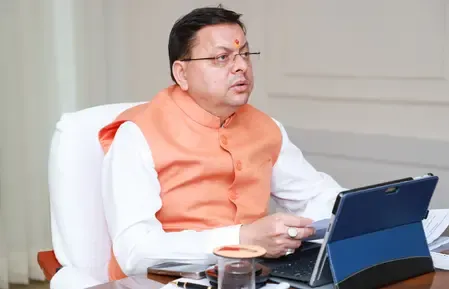
Uttarakhand Chief Minister Pushkar Singh Dhami announced on Wednesday, 1 July 2026 that Uttarakhand has become the first state in India to abolish its Madrasa Education Board, declaring that minority educational institutions in the state will now be integrated into a modern and transparent education system.
Context
In a post on X, CM Dhami stated — 'Uttarakhand desh ka pehla rajya ban gaya hai jisne madrasa shiksha board ko samapt kar...' — that Uttarakhand has become the first state to abolish the Madrasa Education Board and connect minority educational institutions to a 'modern and transparent education system.' The announcement was addressed directly to Prime Minister Narendra Modi, Home Minister Amit Shah, and Defence Minister Rajnath Singh, signalling the move as one aligned with the broader priorities of the central BJP leadership.
The decision marks a significant administrative shift: students previously enrolled under the Madrasa Board framework will now fall under the mainstream state education apparatus. The precise transition mechanism — including how existing institutions, teachers, and students will be absorbed — is expected to be detailed through subsequent state legislation or official orders.
Policy Backdrop
The move draws from the ideological and policy direction set by the National Education Policy 2020, which emphasises equitable, modern, and standardised education accessible to all communities, including minorities. BJP-governed states have progressively reviewed and restructured madrasa oversight frameworks in recent years, with Uttar Pradesh and Assam undertaking similar exercises in the preceding years.
Those earlier state-level reviews involved rationalising curricula, introducing subjects such as mathematics, science, and Hindi, and bringing institutions under state education board oversight. Uttarakhand's decision, if it results in a full dissolution of the Madrasa Board rather than a restructuring, would represent the most categorical step taken by any state in this direction so far.
Stakeholders and Impact
The decision directly affects madrasa students and the staff of minority educational institutions currently operating under the Madrasa Education Board in Uttarakhand. Proponents argue that integration into the mainstream system will expand access to modern subjects, improve employability, and bring greater accountability to institutions that receive state resources.
Critics and minority community representatives are likely to raise questions about the preservation of religious instruction and the constitutional protections afforded to minority-run educational institutions under Articles 29 and 30 of the Indian Constitution. Legal challenges before the courts remain a possibility, as has been the pattern in other states that undertook similar reforms.
What's Next
The government is expected to outline the operational roadmap — covering institutional recognition, teacher regularisation, and curriculum transition — through formal orders or an amendment to state education law. Uttarakhand's move will be closely watched by other BJP-ruled states, and could set a legislative template for comparable action elsewhere. Judicial scrutiny of the decision's constitutional validity is also anticipated in the coming weeks.
Point of View
Dhami is positioning the move as part of a coordinated ideological project rather than a standalone state decision. The dissolution of a Madrasa Board, rather than its mere restructuring, raises the legal and constitutional stakes significantly, and the courts are likely to become the next arena. If the transition mechanism protects student continuity and teacher livelihoods, it may blunt criticism; if it does not, the policy could face both judicial reversal and community backlash that complicates the BJP's minority outreach calculus.
NationPress
2 Jul 2026
Frequently Asked Questions
Which state has abolished the Madrasa Education Board in India?
Uttarakhand is the first state in India to abolish its Madrasa Education Board, as announced by Chief Minister Pushkar Singh Dhami on 1 July 2026 .
What will happen to madrasa students in Uttarakhand after the board is abolished?
Madrasa students in Uttarakhand are expected to be integrated into the mainstream state education system. The specific transition mechanism — including curriculum, teacher regularisation, and institutional recognition — is to be detailed through formal state orders or legislation.
Why did Uttarakhand abolish the Madrasa Education Board?
CM Dhami stated the goal is to connect minority educational institutions to a 'modern and transparent education system,' consistent with the BJP 's broader policy of aligning all educational institutions with standardised frameworks under the National Education Policy 2020 .
Is abolishing the Madrasa Board constitutional in India?
The move is likely to face legal scrutiny. Minority educational institutions enjoy protections under Articles 29 and 30 of the Indian Constitution, and court challenges have followed similar reforms in other states such as Uttar Pradesh and Assam .
Have other states abolished their Madrasa Boards?
No other state has fully abolished its Madrasa Education Board so far. Uttar Pradesh and Assam undertook reviews and restructuring of their madrasa systems in preceding years, but Uttarakhand's outright abolition is described as the first of its kind in India.