CM Dhami visits ancestral land, seeks blessings of Hari Chand Devata
Synopsis
Uttarakhand CM Pushkar Singh Dhami visited his ancestral land on 25 October 2026, sought blessings of family deity Shri Hari Chand Devata, and described Devbhoomi's folk traditions and faith as the state's identity and strength.
Key Takeaways
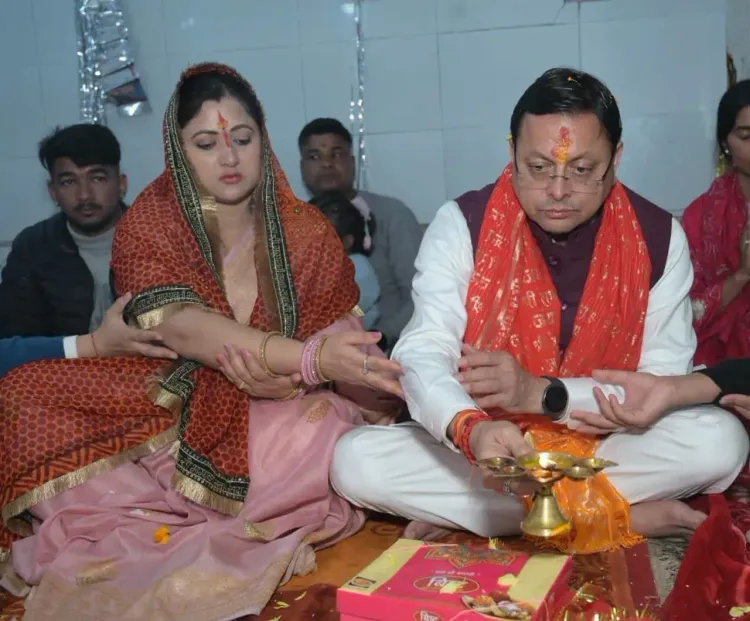
Pushkar Singh Dhami visited his ancestral land and offered darshan to his family deity Shri Hari Chand Devata on 25 October 2026 .
He described the experience as bringing 'boundless peace and a sense of belonging' — a reflection on personal roots.
Dhami declared that Devbhoomi Uttarakhand's rich folk traditions, faith, and cultural heritage are 'our identity and our strength.' He offered a public prayer for Shri Hari Chand Devata's grace to remain on all residents of Uttarakhand.
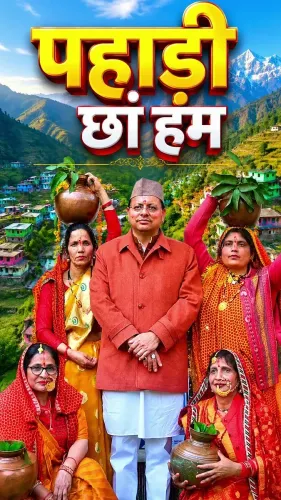
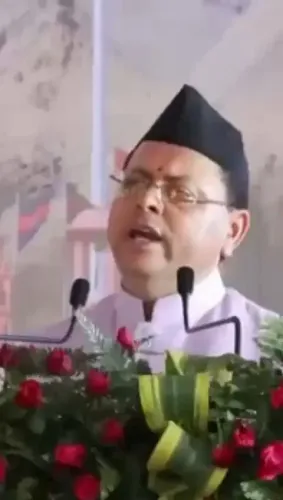
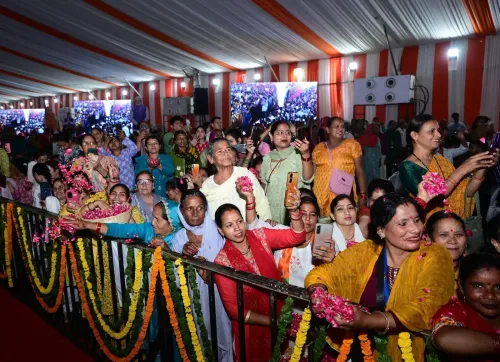
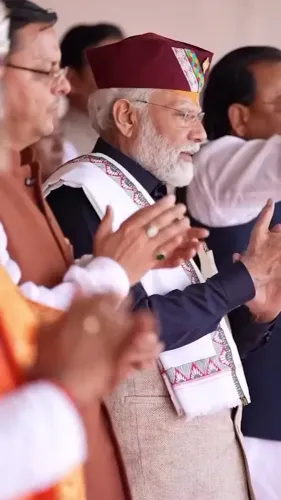
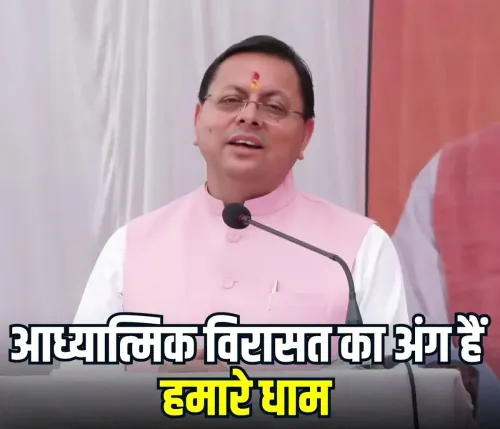
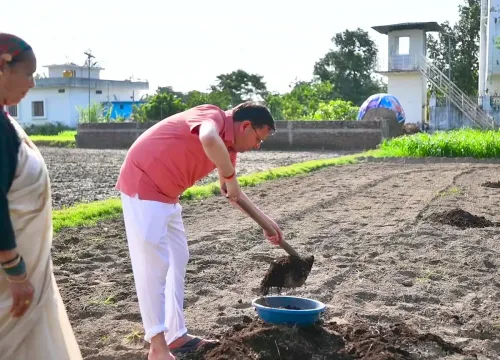
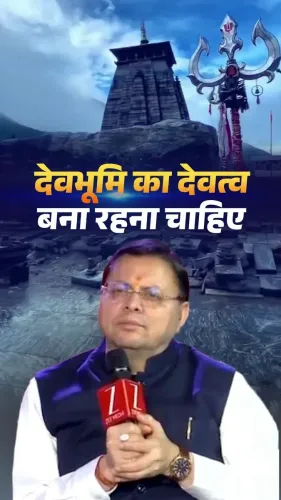
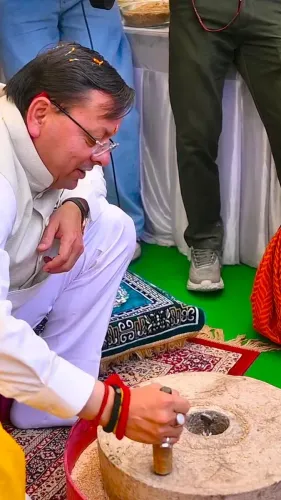
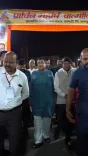
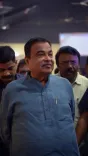
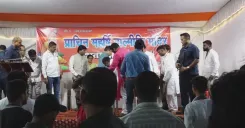
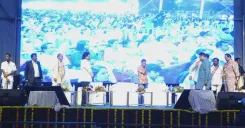
The post was accompanied by four images , grounding a personal devotional moment in public political communication.
The gesture connects to Uttarakhand's long-standing Devbhoomi branding and the state government's emphasis on pilgrimage and cultural heritage.
Roots run deep in the hills of Uttarakhand — and Uttarakhand Chief Minister Pushkar Singh Dhami made that personal on Sunday, 25 October 2026, sharing a reflective post after visiting his ancestral land and seeking the blessings of his family deity, Shri Hari Chand Devata.
Writing in Hindi, Dhami described the experience in quietly spiritual terms: 'Apni paitrik bhoomi par aakar aur isht devata ke darshan kar man ko aseem shanti evam aatmiyata ki anubhuti hoti hai' — 'Visiting one's ancestral land and taking the blessings of one's family deity brings boundless peace and a sense of belonging to the soul.' He closed with a prayer that the grace of Shri Hari Chand Devata remain ever-present on all residents of the state.
Devbhoomi identity at the heart of Dhami's message
The Chief Minister's post is anchored in a sentiment that runs through Uttarakhand's public identity: the idea that the state's folk traditions, faith, and cultural heritage are not ornamental, but foundational. 'The rich folk traditions, faith, and cultural heritage of Devbhoomi Uttarakhand are our identity and our strength,' Dhami wrote — a line that distils the state's official self-image into a single sentence.
Uttarakhand has carried the Devbhoomi ('Land of the Gods') designation as both a spiritual descriptor and a branding cornerstone, with successive state governments weaving temple circuits, pilgrimage infrastructure, and cultural festivals into their governance and tourism narratives. For a Chief Minister whose political identity is closely tied to the Pahadi heartland, a personal visit to ancestral grounds — accompanied by four images shared publicly — is also a quiet act of political communication: the leader as inheritor of the same traditions he governs.
The folk-tradition thread in Uttarakhand's political culture
State leaders across India periodically return to ancestral villages and local deity shrines, and the gesture carries weight in hill communities where kul devata (clan deity) worship is woven into daily life. In Uttarakhand, where out-migration has long separated families from their village roots, a sitting Chief Minister making a public point of this homecoming speaks directly to that shared experience of distance and belonging.
Dhami's prayer — that Shri Hari Chand Devata's grace extend to every person in the state — lifts the visit from a personal moment to a collective one, a rhetorical move characteristic of leaders seeking to translate personal faith into public resonance.
Whether this visit preludes any formal cultural-preservation initiative or temple-tourism policy announcement remains to be watched. For now, it stands as a reminder that in Uttarakhand, the political and the devotional have always shared the same mountain path.
Point of View
He signals continuity with the very communities that form his core constituency. The invocation of Devbhoomi identity is not merely cultural; it reinforces the BJP's long-running effort to position Uttarakhand's religious and folk heritage as a governance priority, distinct from the plains-state model. At a time when out-migration from Uttarakhand's villages remains a pressing demographic concern, a sitting Chief Minister visibly 'coming home' carries quiet but deliberate symbolism. Watch for whether this translates into a formal cultural or temple-tourism policy push in the weeks ahead.
NationPress
25 Oct 2026
Frequently Asked Questions
Why did Uttarakhand CM Pushkar Singh Dhami visit his ancestral land?
CM Dhami visited his ancestral land on 25 October 2026 to seek the blessings of his family deity, Shri Hari Chand Devata, describing the experience as bringing 'boundless peace and a sense of belonging to the soul.'
Who is Shri Hari Chand Devata?
Shri Hari Chand Devata is the family deity ( isht devata or kul devata ) of Uttarakhand CM Pushkar Singh Dhami, worshipped at his ancestral place in Uttarakhand. Clan deity worship is a deeply rooted tradition in Pahadi communities.
What does Devbhoomi mean in the context of Uttarakhand?
Devbhoomi means 'Land of the Gods' and is Uttarakhand's most recognised identity marker, reflecting its dense concentration of Hindu temples, pilgrimage sites, and living folk traditions. The state government has used this designation actively in tourism and cultural branding.
What did CM Dhami say about Uttarakhand's cultural heritage?
Dhami stated that the rich folk traditions, faith, and cultural heritage of Devbhoomi Uttarakhand are 'our identity and our strength,' and prayed for the grace of Shri Hari Chand Devata to remain on all residents of the state.
Is Pushkar Singh Dhami's ancestral visit linked to any new policy announcement?
No formal policy announcement has been made in connection with this visit. The post is a personal reflection shared publicly; any subsequent cultural-preservation or temple-tourism initiative linked to this would represent a separate development.