CM Fadnavis accelerates Krishna-Marathwada irrigation project
Synopsis
The Chief Minister's Office of Maharashtra says the Krishna-Marathwada Irrigation Project is accelerating under CM Devendra Fadnavis, with a 25-km tunnel and barrage set to deliver 7 TMC of water to the drought-prone Marathwada region, potentially transforming irrigation for generations of farmers.
Key Takeaways
The Chief Minister's Office of Maharashtra announced on 9 November 2026 that the Krishna-Marathwada Irrigation Project is gaining momentum.
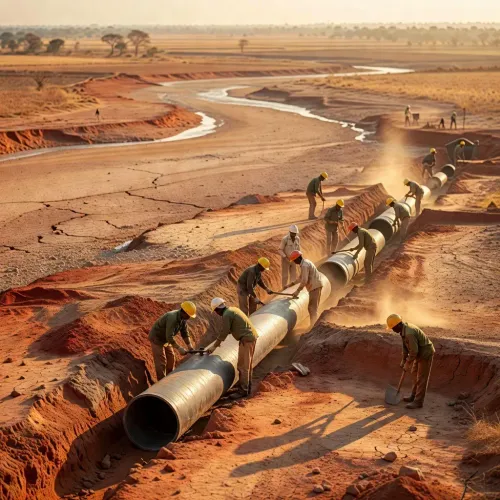
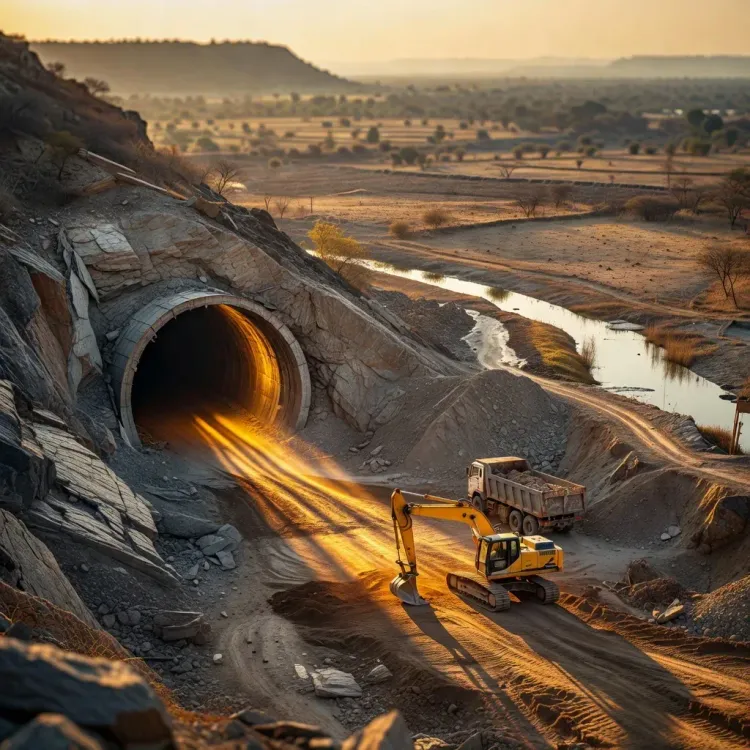
The project will use a 25-kilometre tunnel and a barrage to transfer water from the Krishna basin to Marathwada.
The stated delivery target is 7 TMC of water to drought-affected areas of Marathwada.
CM Devendra Fadnavis has framed the project as his resolve that future generations in Marathwada should not face drought.
The project is part of Maharashtra's broader series of inter-basin water transfer and lift irrigation initiatives targeting Marathwada and Vidarbha .
Key milestones to watch include progress on tunnel and barrage construction and any pending state or central clearances for water allocation and funding.
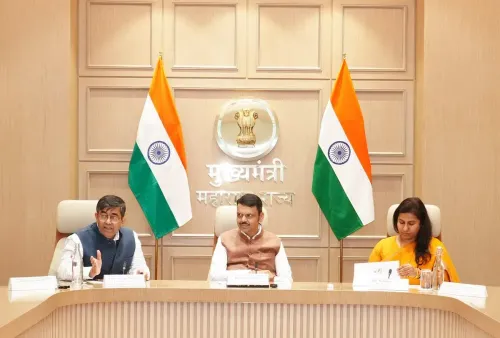
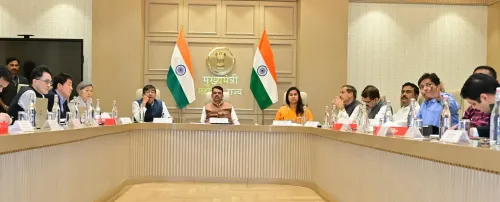
A 25-kilometre tunnel and a barrage — that is the engineering spine of Maharashtra's most ambitious answer yet to Marathwada's chronic drought crisis. The Chief Minister's Office of Maharashtra announced on Monday, 9 November 2026 that the Krishna-Marathwada Irrigation Project is gaining momentum under Chief Minister Devendra Fadnavis, with the goal of delivering 7 TMC (thousand million cubic feet) of water to the region's parched agricultural heartland.
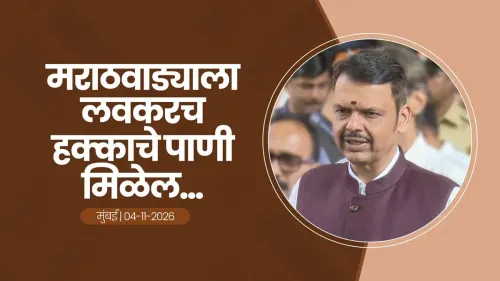
The post, shared in Marathi, frames this as a defining step toward drought-freedom for the region: 'मराठवाड्याच्या दुष्काळमुक्तीच्या दिशेने महत्त्वाचे पाऊल' — 'An important step towards making Marathwada drought-free.' The office states that the project is now 'taking actual shape', and that CM Fadnavis's resolve that future generations in Marathwada should not have to face drought is being translated into reality.
What the Krishna-Marathwada project promises
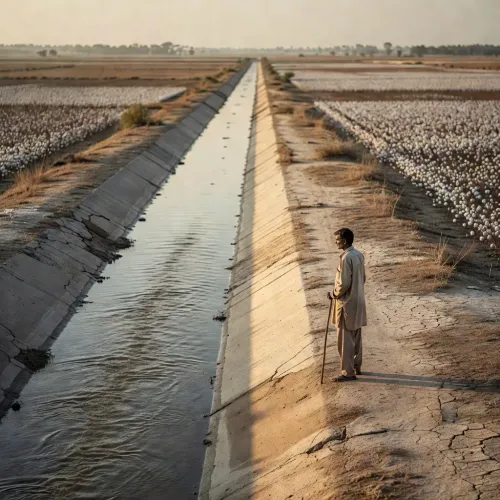
The scheme is an inter-basin water transfer: it moves water from the Krishna river basin — historically better-watered — eastward into Marathwada, a region of eight districts that has endured recurrent drought for decades. The proposed infrastructure of a 25-km tunnel and a barrage is designed to overcome the geographical barrier that has long kept Krishna basin surpluses out of reach for Marathwada farmers.
If the stated 7 TMC delivery target is achieved, it would represent a substantial addition to irrigation coverage in a zone where rain-fed agriculture and failed monsoons have driven successive agrarian crises. The state government says the project will resolve the region's irrigation problem and bring relief to its farming communities.
Marathwada's drought history and Maharashtra's infrastructure push
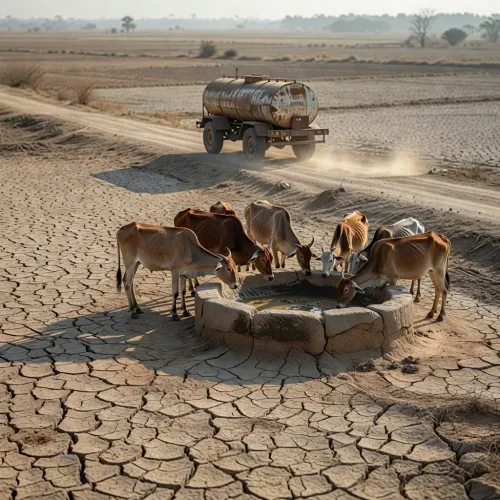
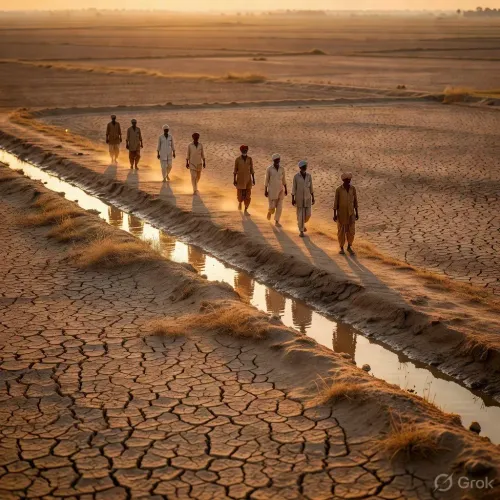
Marathwada sits in the rain shadow of the Western Ghats and regularly receives below-average rainfall. The concept of inter-basin transfer to address this imbalance dates to discussions in the 2000s and 2010s, but physical execution has historically lagged behind planning.
Maharashtra has pursued a series of lift irrigation and tunnel projects over the years to reduce water-availability disparities between its western and eastern regions. Marathwada and Vidarbha — both chronically water-deficit — have been the stated focus of these efforts. The Krishna-Marathwada project fits squarely within this long arc of state policy, but the CMO's announcement signals that construction-phase momentum is now measurable and visible.
What determines the project's success from here
The road from announcement to flowing water runs through engineering milestones, funding releases, and regulatory clearances. The tunnel and barrage components are the most capital-intensive and technically complex parts of the scheme. Progress on those construction fronts — along with any pending state or central approvals for water allocation — will determine whether the government's timeline holds.
For Marathwada's farming households, who have lived with drought cycles for generations, the project is not an abstraction. It is the promise of a second crop, a saved bore-well, a year that does not end in distress migration. CM Fadnavis has staked a generational claim: that the next generation of Marathwada will not inherit the drought. The tunnel and the barrage are where that claim meets concrete and rock.
Point of View
So the emphasis on 'gaining momentum' rather than a completion date is a signal worth noting. For the ruling dispensation, visible construction progress in Marathwada before the next electoral cycle carries significant political weight in a region that votes in large numbers and has historically been receptive to promises of water security. The project also fits a broader national pattern of inter-basin transfers being deployed as both engineering solutions and political narratives in drought-prone states.
NationPress
10 Nov 2026
Frequently Asked Questions
What is the Krishna-Marathwada Irrigation Project?
The Krishna-Marathwada Irrigation Project is an inter-basin water transfer scheme in Maharashtra that aims to channel water from the Krishna river basin to the drought-prone Marathwada region using a 25-kilometre tunnel and a barrage, with a target of delivering 7 TMC of water.
How much water will the Krishna-Marathwada project deliver to Marathwada?
According to the Maharashtra Chief Minister's Office, the project is designed to deliver 7 TMC (thousand million cubic feet) of water to Marathwada's drought-affected areas.
Why is Marathwada prone to drought?
Marathwada lies in the rain shadow of the Western Ghats and regularly receives below-average rainfall, making its agriculture heavily dependent on erratic monsoons. The region has faced recurrent drought cycles for decades.
What is the role of CM Devendra Fadnavis in the Krishna-Marathwada project?
Chief Minister Devendra Fadnavis is leading the push to accelerate the project. The CMO states that it is his stated resolve to ensure future generations of Marathwada do not have to face drought, and the project is being executed under his leadership.
What infrastructure will the Krishna-Marathwada scheme use to transfer water?
The scheme will use a 25-kilometre tunnel and a barrage to move water from the Krishna basin eastward into Marathwada, overcoming the geographical barrier that has historically kept Krishna basin water out of reach for the region.