CM Fadnavis at IPEC 2026: AI Age Demands Wiser Educators
Synopsis
Maharashtra CM Devendra Fadnavis addressed the 9th IPEC Valedictory in Nagpur on 24 October 2026, urging educators to anchor AI-age schooling in critical thinking and ethical values, invoking Takshashila and Nalanda, and pledging state action on conference recommendations.
Key Takeaways
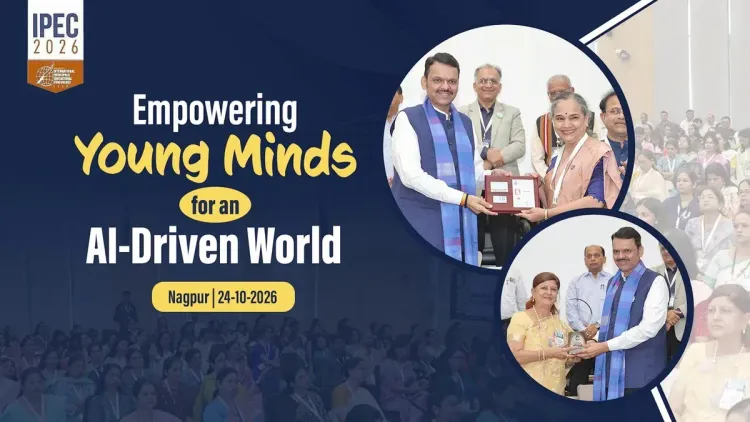
CM Devendra Fadnavis attended the Valedictory of the 9th International Principals' Educational Conference 2026 in Nagpur on 24 October 2026 .
He described today's students as a 'Generation Wow' with global information access, but stressed information must convert to wisdom through critical thinking and ethical values.
Fadnavis called for responsible AI use in education guided by 'human sensitivity and ethical judgement.' He cited ancient universities — Takshashila , Nalanda , and Vikramashila — as precedents for India's tradition of dialogue-based, wisdom-centred learning.
He linked that tradition to the National Education Policy 2020 , which prioritises indigenous knowledge and mother-tongue instruction.
The Maharashtra government pledged to act on suggestions and expectations that emerged from the conference deliberations.
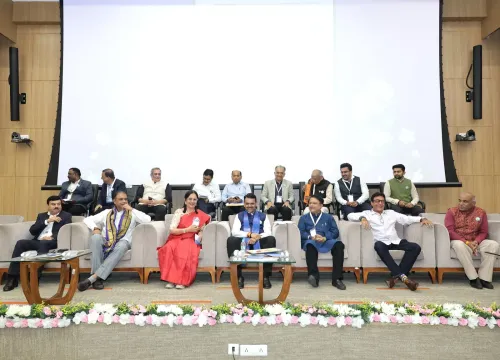
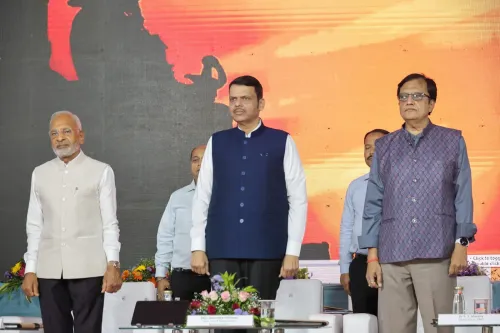
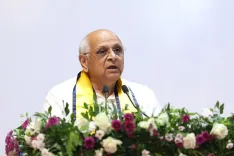
From Takshashila to the age of ChatGPT — Maharashtra Chief Minister Devendra Fadnavis drew that sweeping arc on Saturday, 24 October 2026, at the Valedictory Function of the 9th International Principals' Educational Conference (IPEC 2026) in Nagpur, urging school leaders to treat Artificial Intelligence not as a disruptor but as a responsibility.
Addressing the gathering, Fadnavis called today's students a 'Generation Wow' — a cohort with the entire world's information at their fingertips. The challenge, he argued, is the next step: turning raw information into genuine knowledge and wisdom. 'Information must translate into knowledge and wisdom through critical thinking, sound judgement and ethical values,' he said, framing the educator's job as more consequential than ever precisely because the tool is so powerful.
Why AI Makes the Teacher's Job Harder, Not Redundant
Fadnavis was direct about the AI moment: technology must be 'understood and used responsibly, with human sensitivity and ethical judgement guiding its application.' That framing deliberately sidesteps the binary debate of AI-as-threat versus AI-as-saviour. The argument is subtler — when any student can summon a credible-sounding answer in seconds, the premium shifts entirely to the human who can interrogate that answer.
Principals and teachers, he said, are the architects of that interrogative instinct. IPEC, which convenes school leaders from across the country and internationally, was described as an 'important platform to deliberate on the evolving needs of education and the holistic development of students' — high praise that also signals the Maharashtra government's intent to operationalise conference outcomes.
Nalanda to NEP: The Lineage Fadnavis Invoked
The CM anchored his remarks in a sweep of history, citing ancient centres of learning — Takshashila, Nalanda, and Vikramashila — as proof that India's educational instinct has always prioritised dialogue, critical inquiry, and the pursuit of wisdom over rote accumulation. These institutions, he argued, set a template that remains strikingly relevant to the demands of the digital era.
He linked that legacy directly to the National Education Policy (NEP) 2020, which was approved by the Union Cabinet to replace the 1986 policy. NEP 2020 mandates mother-tongue instruction at early stages and formally integrates indigenous knowledge systems alongside preparation for digital-era skills — including AI. Fadnavis cast the NEP not as a bureaucratic overhaul but as a civilisational continuity, a policy that reconnects modern schooling to roots stretching back millennia.
Maharashtra's Commitment: Turning Deliberations Into Policy
The CM closed with a pledge that moved the event beyond ceremony: 'Our government will work positively on the expectations and suggestions that emerged during the deliberations in this conference.' That sentence is the one to watch. Maharashtra implementing conference suggestions — whether as updates to teacher-training modules, AI-ethics curricula, or mother-tongue pedagogy pilots — would mark a concrete state-level translation of national NEP directives.
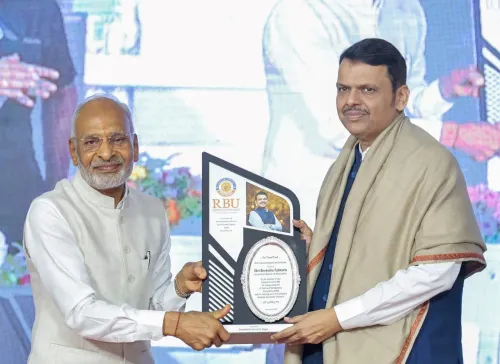
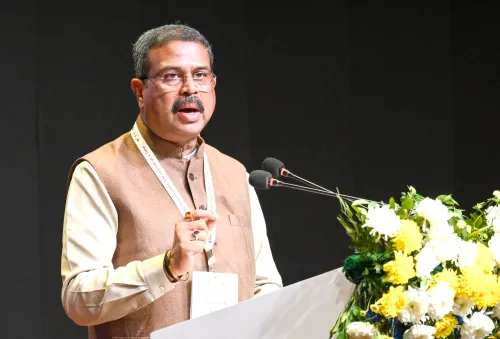
Among those present at the valedictory were MoS Dr. Pankaj Bhoyar, former MP and actor Dr. Nitish Bharadwaj, IPEC Convener Dr. Mrunalini Dasture, IIM Nagpur Director Dr. Bhimaraya Metri, and The South Public School Director Deaven Dasture. Educators honoured at the event received formal congratulations from the Chief Minister.
A generation with the world's knowledge at its fingertips still needs someone to teach it how to think — and Nagpur just heard the state's top executive say that is now official Maharashtra policy.
Point of View
He converts a ceremonial appearance into a governance signal, raising the political cost of inaction. The AI-ethics framing is also strategically timely: it positions Maharashtra as proactively shaping the national conversation on technology in schools before the Centre issues firm directives. The real test will be whether teacher-training reforms or AI-ethics curricula materialise within the state's education department in the months ahead.
NationPress
24 Oct 2026
Frequently Asked Questions
What is the International Principals' Educational Conference (IPEC)?
IPEC is a recurring conference that brings together school principals and educators to discuss evolving educational needs and the holistic development of students. The 2026 edition was its 9th iteration and was held in Nagpur.
What did CM Devendra Fadnavis say about Artificial Intelligence in education?
Fadnavis said AI must be 'understood and used responsibly, with human sensitivity and ethical judgement guiding its application,' arguing that the rise of AI makes the role of educators even more important, not less.
How does the National Education Policy 2020 relate to ancient Indian universities?
NEP 2020, approved by the Union Cabinet to replace the 1986 policy, formally integrates indigenous knowledge systems and mother-tongue instruction — principles that Fadnavis linked to the tradition of Takshashila, Nalanda, and Vikramashila, which emphasised knowledge, wisdom and critical dialogue.
What action did the Maharashtra government promise after IPEC 2026?
CM Fadnavis pledged that the Maharashtra government would 'work positively on the expectations and suggestions that emerged during the deliberations' at the conference, signalling intent to translate discussions into state education policy.
Who attended the IPEC 2026 valedictory function in Nagpur?
Attendees included MoS Dr. Pankaj Bhoyar, former MP and actor Dr. Nitish Bharadwaj, IPEC Convener Dr. Mrunalini Dasture, IIM Nagpur Director Dr. Bhimaraya Metri, and The South Public School Director Deaven Dasture, among other dignitaries.