CM Fadnavis Backs Drug-Free Mumbai Drive, Spotlights Youth Voice
Synopsis
Maharashtra Chief Minister Devendra Fadnavis on 30 July 2026 backed the Drug-Free Mumbai campaign, amplifying youth voices pushing the state's anti-narcotics awareness drive and signalling political commitment to community-led solutions over enforcement alone.
Key Takeaways
Maharashtra Chief Minister Devendra Fadnavis publicly backed the Drug-Free Mumbai initiative on 30 July 2026 .
The campaign centres on youth engagement and community-led awareness to combat substance abuse in Mumbai .
Fadnavis highlighted the 'voice of Mumbai's youth' as the driving force behind the initiative.
Maharashtra has a history of periodic state-led anti-narcotics drives, often coordinated with central agencies.
The hashtag #DrugFreeMumbai gives the campaign a public, youth-facing digital identity.
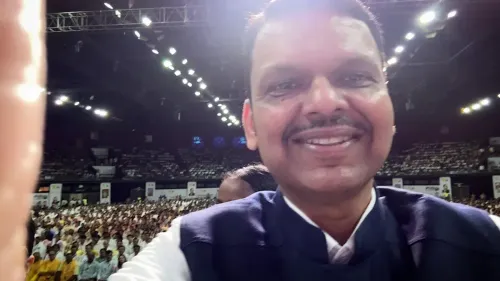
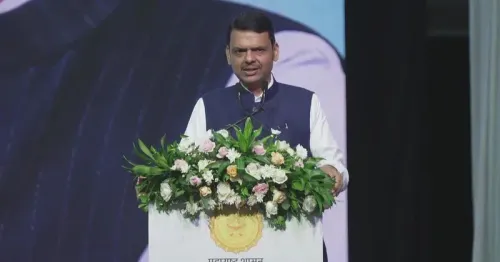
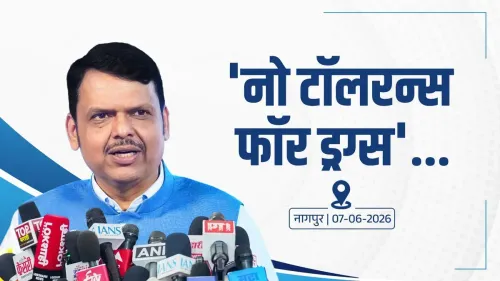
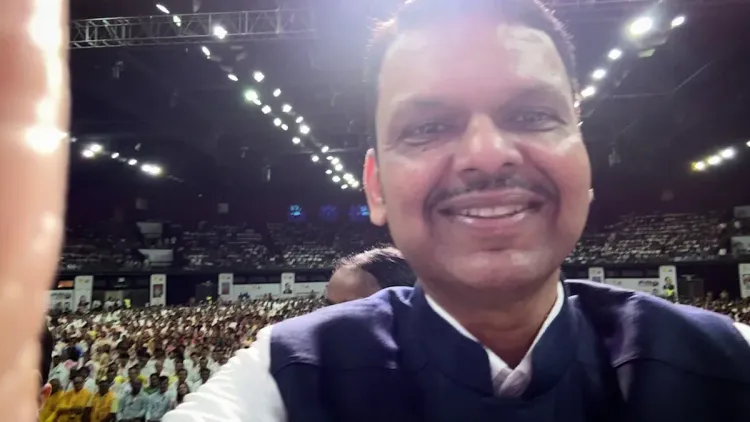
Mumbai's youth are speaking — and Maharashtra Chief Minister Devendra Fadnavis is making sure the state is listening. On Thursday, 30 July 2026, Fadnavis amplified a message from the city's young voices, rallying behind the Drug-Free Mumbai initiative with a post that put youth-led energy at the centre of the campaign.
Youth at the front of Maharashtra's anti-drug push
The Drug-Free Mumbai campaign is an ongoing state initiative designed to reduce substance abuse through awareness drives and direct youth engagement. By foregrounding the 'voice of Mumbai's youth', Fadnavis is signalling that the state's strategy leans on community ownership — not just law enforcement — to shift the needle on narcotics in the city.
Mumbai, Maharashtra's capital and India's financial and cultural hub, has long been a focal point for anti-drug efforts given its scale, its dense urban youth population, and the pressures that come with it. State governments across administrations have periodically run awareness campaigns, but the current push ties youth participation explicitly to a branded, hashtag-driven public identity: #DrugFreeMumbai.
Why a Chief Minister's amplification matters
When a sitting Chief Minister personally shares youth-generated content on a public platform, it does two things: it elevates the campaign's visibility and it signals political will at the top. Fadnavis, a senior BJP leader with prior terms focused on urban governance and social campaigns, has consistently used digital outreach to frame Maharashtra's policy priorities for a younger audience.
Maharashtra governments have historically coordinated anti-narcotics drives with central bodies, including narcotics control agencies. Whether this social-media moment translates into expanded programme announcements or fresh coordination with federal enforcement arms is the next signal to watch.
The message from Bandra to Borivali is clear: the campaign is no longer just a government initiative — it is being claimed by the city's youth themselves. That shift, if it holds, is precisely the kind of ground-up momentum that makes public health drives stick.
Frequently Asked Questions
What is the Drug-Free Mumbai campaign?
Drug-Free Mumbai is an ongoing Maharashtra state initiative aimed at reducing substance abuse in Mumbai through youth engagement, public awareness drives, and community participation, often linked to broader narcotics control efforts.
What did CM Devendra Fadnavis post about Drug-Free Mumbai?
On 30 July 2026, Fadnavis shared a post on X highlighting the voice of Mumbai's youth in support of the Drug-Free Mumbai initiative, using the hashtag #DrugFreeMumbai.
Who is Devendra Fadnavis?
Devendra Fadnavis is a senior BJP leader serving as the Chief Minister of Maharashtra, known for his focus on urban governance and social campaigns during his terms in office.
How does Maharashtra tackle drug abuse among youth?
Maharashtra has periodically run state-led awareness campaigns against narcotics in major cities, combining youth participation with law enforcement and public health efforts, sometimes in coordination with central narcotics control bodies.
Why is Mumbai a focus of anti-drug campaigns in India?
Mumbai, as Maharashtra's capital and India's financial hub, has a large and dense urban youth population, making it a priority location for anti-substance abuse initiatives by both state and central governments.