CM Fadnavis backs Vande Bharat Sleeper for Mumbai-Bengaluru run
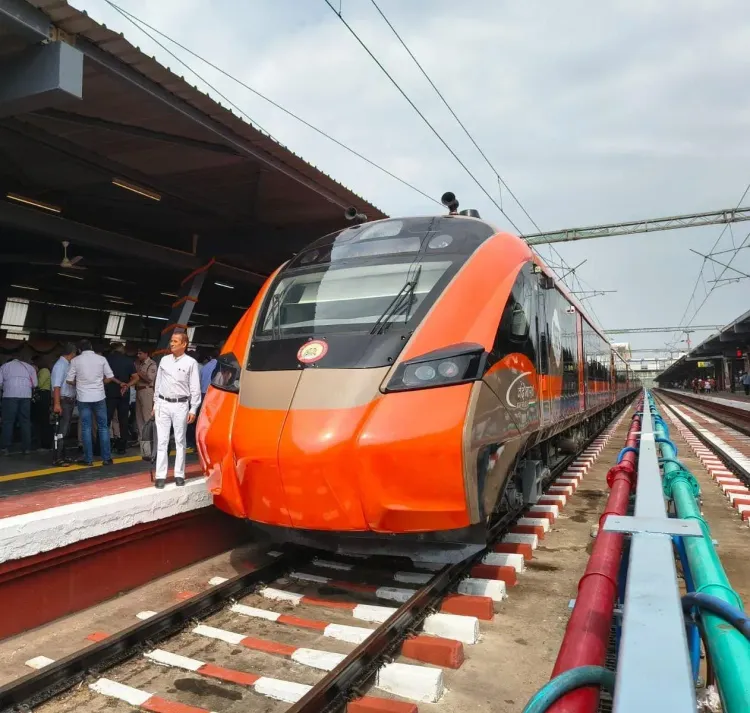
Synopsis
Maharashtra CM Devendra Fadnavis has welcomed the Vande Bharat Sleeper Train for the Mumbai-Bengaluru corridor, crediting PM Modi and Railway Minister Ashwini Vaishnaw for advancing the project that promises faster, more comfortable travel between India's two biggest economic hubs.
Key Takeaways
CM Devendra Fadnavis publicly backed the Vande Bharat Sleeper Train for the Mumbai-Bengaluru corridor on 2 November 2026 .
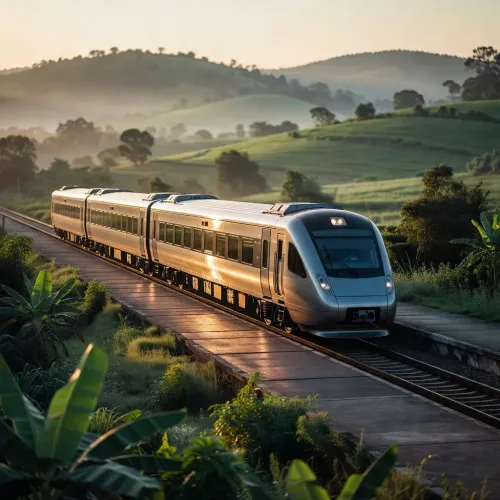
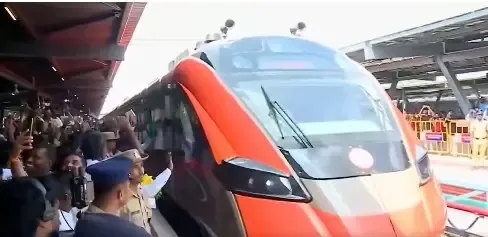
The sleeper variant is designed for long-distance overnight routes, building on the original Vande Bharat Express launched in 2019 .
Expansion of the Vande Bharat fleet and development of a sleeper coach variant has been part of Union Budget announcements since 2022 .
The Mumbai-Bengaluru corridor connects India's financial capital with its technology hub — one of the highest-demand intercity travel routes in the country.
An official launch date and technical specifications for this specific service have not yet been confirmed by Indian Railways.
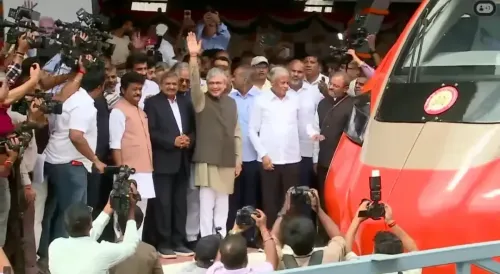
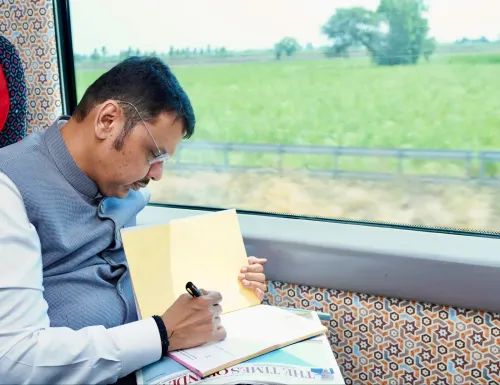
Two of India's most economically vital cities — Mumbai, the financial capital, and Bengaluru, the technology powerhouse — are set for a landmark upgrade in rail connectivity. Maharashtra Chief Minister Devendra Fadnavis took to X on Monday, 2 November 2026 to champion the Vande Bharat Sleeper Train on the Mumbai-Bengaluru corridor, thanking Prime Minister Narendra Modi, Union Railway Minister Ashwini Vaishnaw, and Indian Railways for steering the project forward.
Fadnavis described the upcoming service as 'connecting titans on tracks,' calling it a fusion of 'state-of-the-art speed with world-class comfort.' The post signals Maharashtra's enthusiasm for a train that could meaningfully cut travel time and raise the bar for overnight journeys between India's two biggest economic engines.
From day-chair to sleeper: the Vande Bharat evolution
The Vande Bharat Express first entered service in 2019 on the New Delhi-Varanasi route as Indian Railways' flagship indigenous semi-high-speed product. Since then, successive Union Budgets from 2022 onward have earmarked funds to expand the fleet and develop a sleeper-coach variant designed specifically for longer overnight corridors — precisely the kind of route Mumbai to Bengaluru represents.
The sleeper variant is engineered to blend the speed and modern interiors that made the original Vande Bharat a passenger favourite with the berth-based comfort demanded on routes stretching beyond five or six hours. For business travellers and frequent flyers who currently hop between the two cities, it promises a credible rail alternative to the aviation sector.
Why the Mumbai-Bengaluru corridor matters
Together, Mumbai and Bengaluru generate a disproportionate share of India's GDP — one as the country's financial and commercial nerve centre, the other as the nucleus of its ₹5-lakh-crore-plus IT and startup ecosystem. High-frequency, high-comfort rail connectivity between them is not a luxury project; it is infrastructure with direct economic multiplier potential.
The current rail journey between the two cities can stretch well beyond 20 hours on conventional trains. A Vande Bharat Sleeper service on this corridor, with its higher operating speeds and modernised track utilisation, is expected to compress that window considerably — though an exact launch timeline and final technical specifications have not yet been officially confirmed.
Modi's railway modernisation push finds a Maharashtra champion
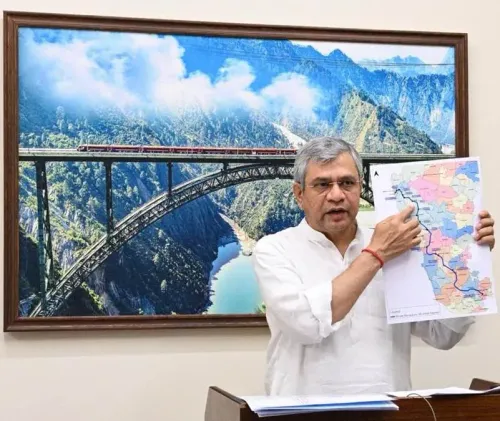
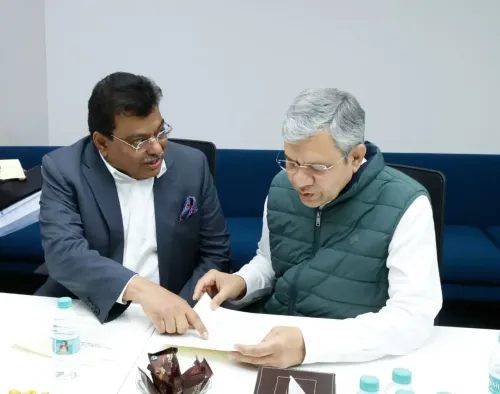
Ashwini Vaishnaw, who has overseen the most aggressive phase of Vande Bharat expansion as Railway Minister, has positioned the sleeper variant as the next chapter in indigenously designed rail travel. CM Fadnavis, by publicly crediting PM Modi and the Railways ministry, reinforces the Centre-state alignment that large infrastructure corridors typically require — particularly for projects that cross state boundaries and need coordinated track, signalling, and station upgrades.
What to watch next: the official route notification, coach production milestones, and whether the Mumbai-Bengaluru Vande Bharat Sleeper gets a confirmed launch date from the Railways ministry in the weeks ahead.
Two cities that drive India's economy are about to be stitched closer together — and when the sleeper rolls out, every overnight trip between them will be a referendum on just how far Indian Railways has come.
Point of View
So its upgrade carries real electoral and economic weight for Maharashtra. The post also subtly reinforces the BJP's broader narrative that railway modernisation under Modi represents a generational leap in public infrastructure. The unanswered question — a confirmed launch timeline — is the gap between political celebration and operational delivery that will ultimately define how this story is remembered.
NationPress
2 Nov 2026
Frequently Asked Questions
What is the Vande Bharat Sleeper Train?
The Vande Bharat Sleeper is a sleeper-coach variant of India's indigenous semi-high-speed Vande Bharat Express, designed for longer overnight rail corridors. It aims to combine the speed and modern interiors of the original Vande Bharat with berth-based comfort suited to journeys of several hundred kilometres.
When will the Vande Bharat Sleeper start on the Mumbai-Bengaluru route?
An official launch date for the Mumbai-Bengaluru Vande Bharat Sleeper service has not yet been confirmed by Indian Railways. Maharashtra CM Devendra Fadnavis has welcomed the project, but the operational timeline remains to be announced.
Why did CM Fadnavis thank PM Modi and Ashwini Vaishnaw for the Vande Bharat Sleeper?
Fadnavis credited Prime Minister Narendra Modi and Union Railway Minister Ashwini Vaishnaw for driving India's railway modernisation programme, of which the Vande Bharat Sleeper is a key component. The acknowledgment reflects the Centre-state coordination needed for large rail infrastructure projects.
How long does the Mumbai to Bengaluru train journey currently take?
On conventional trains, the Mumbai-Bengaluru journey can stretch well beyond 20 hours. The Vande Bharat Sleeper, with higher operating speeds, is expected to significantly reduce this travel time, though exact figures have not been officially confirmed.
When did the first Vande Bharat Express launch in India?
The first Vande Bharat Express was launched in 2019 on the New Delhi-Varanasi route. Since then the fleet has expanded substantially, with sleeper variants planned for select long-distance corridors as part of Indian Railways' modernisation drive.