CM Fadnavis Chairs 26th Maharashtra State Wildlife Board Meet
Synopsis
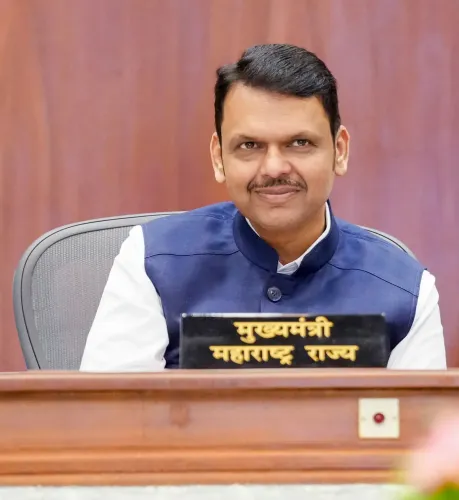
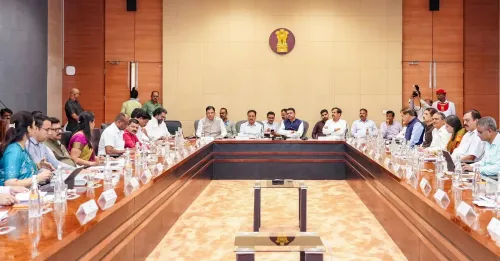
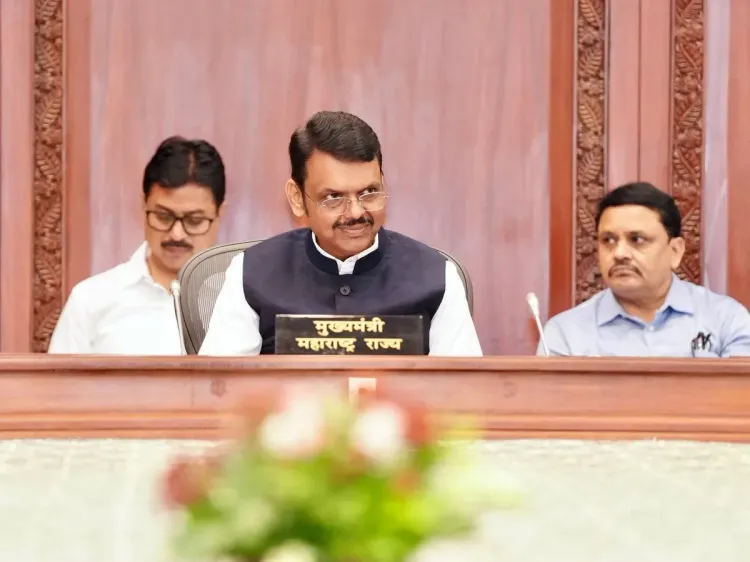
Chief Minister Devendra Fadnavis chaired the 26th Maharashtra State Wildlife Board meeting at Sahyadri Guest House, Mumbai on 26 October 2026. The statutory body, constituted under the Wildlife (Protection) Act 1972, advises on protected-area management, conservation policy, and project clearances across Maharashtra.
Key Takeaways
CM Devendra Fadnavis personally chaired the 26th meeting of the Maharashtra State Wildlife Board on 26 October 2026 .
The meeting was held at 12:45 pm at Sahyadri Guest House, Mumbai , with senior officials in attendance.
The Maharashtra State Wildlife Board is a statutory body under the Wildlife (Protection) Act, 1972 , mandated to guide state conservation and protected-area policy.
Maharashtra hosts major tiger reserves including Tadoba-Andhari , Melghat , and Navegaon-Nagzira , all subject to board oversight.
Specific resolutions or project approvals from this meeting have not yet been publicly announced.
At Sahyadri Guest House, Mumbai, on 26 October 2026, Chief Minister Devendra Fadnavis convened the 26th meeting of the Maharashtra State Wildlife Board — the statutory body that guides the state's approach to protecting its forests, sanctuaries, and the wildlife within them.
The Chief Minister's Office of Maharashtra confirmed the meeting was held at 12:45 pm and was attended by senior officials. The announcement was made in English, Marathi, and Hindi, reflecting the weight the government attaches to the occasion.
What the Maharashtra State Wildlife Board actually does
This is not a ceremonial gathering. The Maharashtra State Wildlife Board is a statutory advisory body constituted under the Wildlife (Protection) Act, 1972 — the central legislation that compels every Indian state to set up such a board to oversee conservation policy and protected-area management. Its remit spans everything from reviewing management plans for national parks and sanctuaries to advising on human-wildlife conflict mitigation and scrutinising project clearances that could affect protected zones. Maharashtra is one of India's most ecologically significant states — home to tiger reserves including Tadoba-Andhari, Melghat, and Navegaon-Nagzira, as well as a dense network of wildlife sanctuaries across the Vidarbha and Sahyadri belts. Decisions taken at Wildlife Board meetings feed directly into how these landscapes are governed.Why the 26th meeting matters
State Wildlife Boards hold periodic sittings to resolve pending proposals, review ongoing conservation programmes, and — critically — approve or reject development projects that require clearance within or near protected areas. The federal architecture of India's wildlife law places these boards at the intersection of development pressure and ecological protection. When a Chief Minister personally chairs the meeting, it signals that decisions at the table carry executive weight. The specific agenda, resolutions, or project approvals from this 26th sitting have not been publicly detailed. What to watch: any announcements concerning tiger reserve buffer zones, sanctuary boundary modifications, or fresh conflict-mitigation measures for communities living alongside Maharashtra's forests. For a state that has been grappling with rising human-wildlife conflict — particularly in districts bordering Vidarbha's tiger corridors — the outcomes of this board meeting could shape policy on the ground for months ahead.Point of View
Making the CM's presence politically and administratively significant. With rising human-wildlife conflict in Vidarbha dominating local discourse, any decisions emerging from this sitting will be closely scrutinised by conservation groups and affected communities alike. The meeting also fits a broader pattern of state governments using periodic statutory board meetings to signal environmental governance credibility.
NationPress
26 Oct 2026
Frequently Asked Questions
What is the Maharashtra State Wildlife Board?
The Maharashtra State Wildlife Board is a statutory advisory body constituted under the Wildlife (Protection) Act, 1972. It advises the state government on wildlife conservation, protected-area management, human-wildlife conflict, and scrutinises project clearances within or near sanctuaries and national parks.
Who chairs the Maharashtra State Wildlife Board?
The Chief Minister of Maharashtra is the chairperson of the State Wildlife Board. Chief Minister Devendra Fadnavis chaired its 26th meeting on 26 October 2026 at Sahyadri Guest House, Mumbai.
What decisions are taken at Maharashtra Wildlife Board meetings?
The board reviews management plans for national parks and sanctuaries, advises on human-wildlife conflict mitigation strategies, and approves or rejects development project proposals that may affect protected areas in Maharashtra.
Which tiger reserves fall under the Maharashtra State Wildlife Board's purview?
Maharashtra's major tiger reserves — including Tadoba-Andhari, Melghat, and Navegaon-Nagzira — fall within the board's advisory oversight, along with numerous wildlife sanctuaries across the Vidarbha and Sahyadri regions.
What were the outcomes of the 26th Maharashtra Wildlife Board meeting?
The specific agenda items, resolutions, and project approvals from the 26th meeting on 26 October 2026 have not been publicly detailed as yet. Any announcements are expected to cover tiger reserve policy, sanctuary management, or conflict-mitigation measures.