CM Fadnavis Champions Youth Fellows in Maharashtra Governance
Synopsis
Maharashtra CM Devendra Fadnavis, at 'The Governance Challenge 2026' in Mumbai, championed the Chief Minister Fellowship Programme as a model for bringing Gen Z energy and fresh thinking into state administration.
Key Takeaways
CM Devendra Fadnavis addressed 'The Governance Challenge 2026', themed 'Gen Z in Governance' , in Mumbai on 18 October 2026 .
He highlighted the Chief Minister Fellowship Programme as proof that young professionals can translate innovative ideas into effective administrative action.
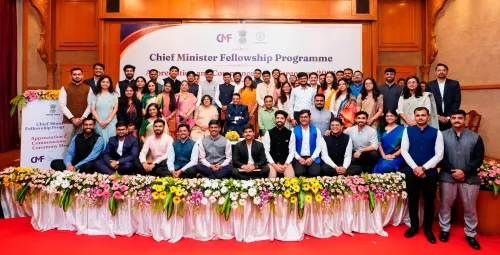
The programme embeds young graduates within Maharashtra state departments on live policy and governance projects.
Maharashtra's initiative is part of a wider national trend of state-level fellowship schemes aimed at modernising government through youth talent.
Official outcomes on completed fellow projects and announcements on programme expansion are the next milestones to watch.
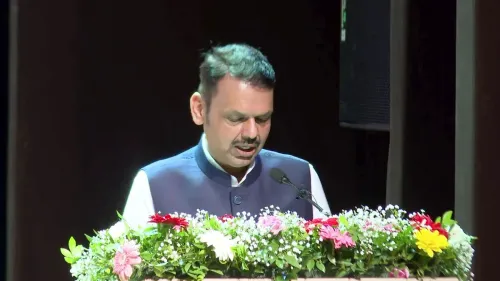
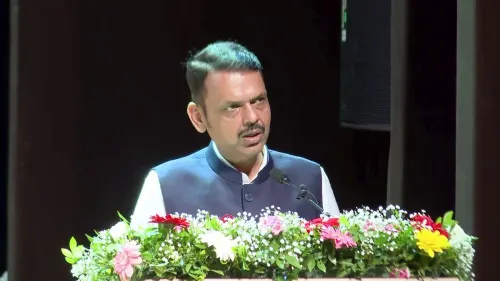
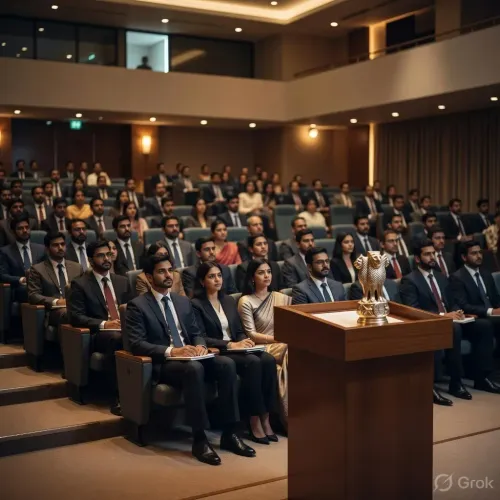
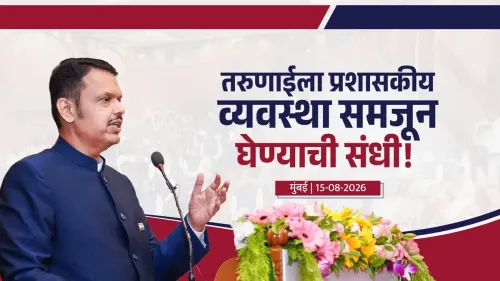
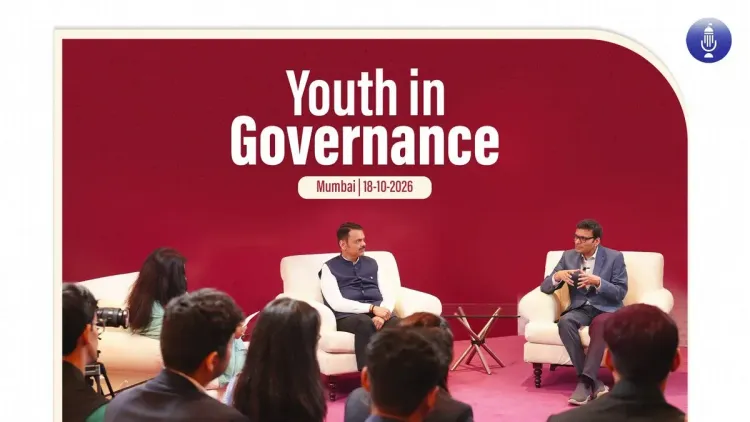
Young professionals stepping into government corridors — not as observers, but as agents of change. That is the promise Maharashtra Chief Minister Devendra Fadnavis placed front and centre on Monday, 18 October 2026, speaking at 'The Governance Challenge 2026', an event themed 'Gen Z in Governance', held in Mumbai.
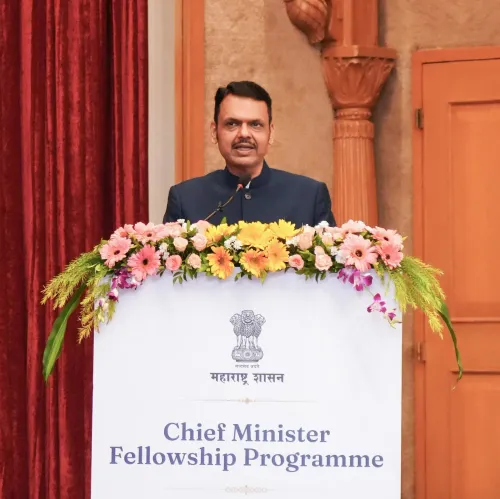
Fadnavis spotlighted the Chief Minister Fellowship Programme as proof that the model works. 'The Chief Minister Fellowship Programme demonstrates how young fellows can bring fresh perspectives to governance and translate innovative ideas into effective action,' he said — a line that doubles as both a commendation and a call to arms for the next generation of civic problem-solvers.
What the Chief Minister Fellowship Programme Does
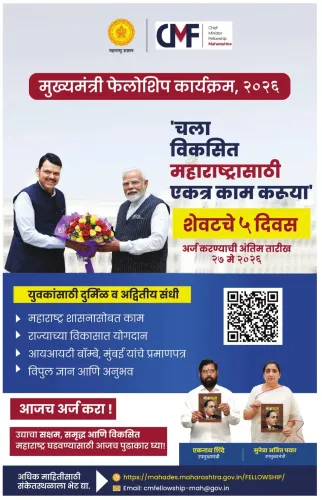
The Chief Minister Fellowship Programme is a Maharashtra government initiative that places young professionals inside state departments for short-term policy and administrative projects. The core idea: pair the urgency and digital fluency of recent graduates with the machinery of state government, and let the friction produce something useful. Fellows are typically embedded with senior officials, working on live governance challenges rather than simulated exercises.
The broader national pattern is clear. Several Indian states have rolled out similar fellowship models in recent years, all operating on the same premise — that data-driven, technology-oriented graduates can modernise workflows that have remained unchanged for decades. Maharashtra's version sits within this wave, but the Chief Minister's direct endorsement at a public event signals the programme is being positioned as a flagship, not a footnote.
Why 'Gen Z in Governance' Is More Than a Theme
The framing of the Mumbai event — 'Gen Z in Governance' — is deliberate. India's youngest voters and workforce entrants have grown up expecting digital-first, outcome-linked public services. Programmes like the CM Fellowship are, in part, a strategic response: by bringing Gen Z into the system, states hope to accelerate the cultural and technological shift from within.
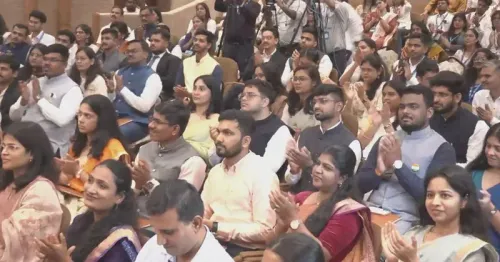
For Fadnavis, championing this programme also fits a wider pattern of positioning Maharashtra as a governance innovation hub — a state willing to experiment with how it recruits talent, designs policy, and measures delivery. The audience at 'The Governance Challenge 2026' included precisely the professionals these initiatives are designed to attract and retain.
The real test, as always, lies in the output: how many fellow-led projects have moved from pilot to policy, and whether the next cohort will be larger. Watch for official reports on programme outcomes and any announcement on expansion in the months ahead.
Point of View
More demanding electorate. The 'Gen Z in Governance' framing, however, will only hold weight if the programme produces documented, scalable outcomes rather than ceremonial participation. The next cohort announcement and any project-impact data will determine whether this is a genuine governance pivot or an optics exercise.
NationPress
19 Oct 2026
Frequently Asked Questions
What is the Chief Minister Fellowship Programme in Maharashtra?
The Chief Minister Fellowship Programme is a Maharashtra government initiative that places young professionals and recent graduates within state government departments to work on live policy and administrative challenges, aiming to bring fresh, data-driven perspectives into governance.
What did CM Devendra Fadnavis say about youth in governance?
At 'The Governance Challenge 2026' in Mumbai on 18 October 2026, Fadnavis said the programme 'demonstrates how young fellows can bring fresh perspectives to governance and translate innovative ideas into effective action.'
What is 'The Governance Challenge 2026' event?
'The Governance Challenge 2026' is an event held in Mumbai on 18 October 2026, themed 'Gen Z in Governance,' where Maharashtra CM Devendra Fadnavis spoke about the role of young professionals in state administration.
Do other Indian states have similar fellowship programmes?
Yes. Several Indian states have introduced fellowship schemes in recent years to bring graduates and young professionals into short-term government roles, with the shared goal of injecting technology-oriented and data-driven approaches into traditional administration.
How can young people apply for the Maharashtra CM Fellowship Programme?
Applications for the Chief Minister Fellowship Programme are managed through the Maharashtra government. Prospective applicants should monitor official Maharashtra government portals for cohort announcements and eligibility criteria.