CM Fadnavis charts $100bn urban plan at Mayors Forum
Synopsis
Maharashtra CM Devendra Fadnavis used the 3rd World Mayors Forum in Mumbai to set a $100 billion five-year infrastructure target and sketch Third Mumbai around Navi Mumbai airport and Fourth Mumbai from Virar to Vadhavan.
Key Takeaways
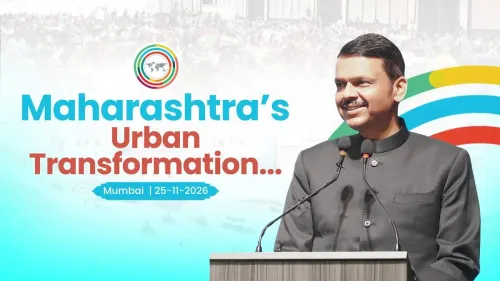
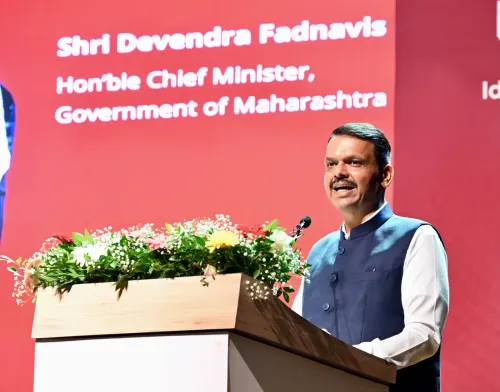
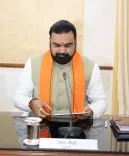
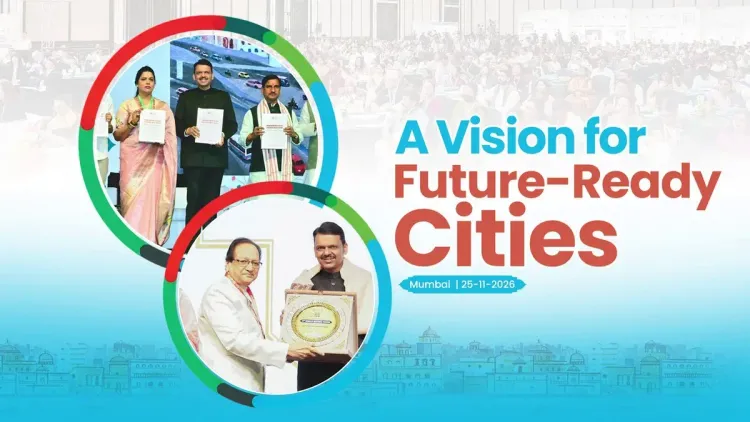
Maharashtra CM Devendra Fadnavis addressed the inaugural session of the 3rd World Mayors Forum in Mumbai on 25 November 2026.
The event marked 100 years of the All India Institute of Local Self-Government.
He set a five-year target of $100 billion in infrastructure investment for Maharashtra.
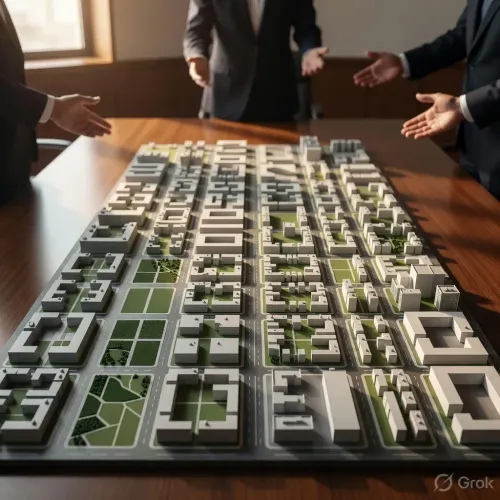
Third Mumbai would be developed around Navi Mumbai International Airport, including an EduCity for 12 universities and 100,000 students.
Fourth Mumbai would span Virar to Vadhavan, anchored by Vadhavan port, a bullet train and a super expressway of 35–40 minutes to Mumbai.
He said cities contribute 65% of India's GDP and recalled starting public life as Mayor of Nagpur.
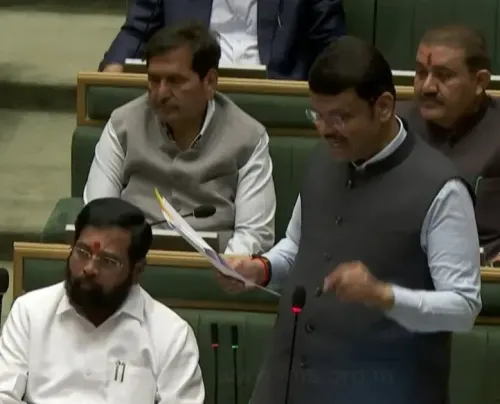
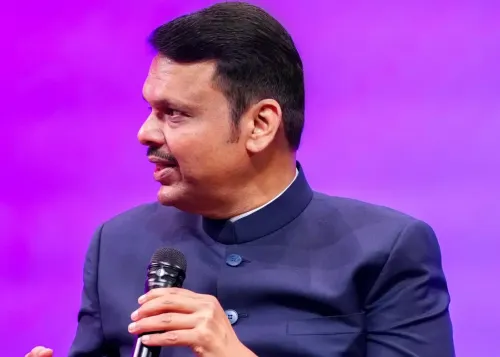
Maharashtra Chief Minister Devendra Fadnavis on Wednesday put a map — and a five-year bill — on the state's urban future, telling an international gathering of mayors in Mumbai that cities, not ministries, will decide whether India becomes developed. Addressing the inaugural session of the 3rd World Mayors' Forum as the All India Institute of Local Self-Government marked 100 years, he set a target of $100 billion in infrastructure investment and named two new urban nodes: Third Mumbai and Fourth Mumbai.
From Nagpur's Mayor to a 100-year civic forum
Fadnavis told the hall he began public life as the Mayor of Nagpur. A mayor's role, he said, is among the most demanding, serving 24/7 as the first responder to every civic need. The session also marked a century of the AIILSG, which he praised for strengthening urban governance across India.
Cities, he noted, already contribute 65% of India's GDP. Guided by Prime Minister Narendra Modi's vision since 2014, Maharashtra treats urbanisation not as a challenge but as an opportunity to build planned, sustainable and livable cities. That line sits inside a wider national turn: the Smart Cities Mission and AMRUT, both launched in 2015, have tried to pair infrastructure money with stronger urban local bodies.
Dharavi, the MMR and a $50 billion claim
In the Mumbai Metropolitan Region alone, Fadnavis said the state had undertaken projects worth $50 billion over the last 12 years, including the historic transformation of Dharavi into a modern residential hub and Mumbai's next major business district. Investments are always secondary to political will, planning, and determination, he said. When projects are well-planned and ready, capital follows.
Those dollar figures are the Chief Minister's own tally, offered from the podium rather than independently established in the public record. The direction of travel is clearer: large MMR projects that stitch airports, ports and transit into new urban nodes, and a post-2014 pattern of inviting private capital once land and plans are in place.
Third Mumbai around Navi Mumbai airport
Building on that momentum, he described Third Mumbai as a development around the Navi Mumbai International Airport, with dedicated ecosystems for sports, medicine, innovation, global capability centres and an EduCity hosting 12 leading global universities for 100,000 students.
The airport has long been the planned east-harbour anchor. Fadnavis's pitch was to turn a greenfield runway into a full urban system — not just terminals and a real-estate belt.
Fourth Mumbai, Virar to Vadhavan
Fourth Mumbai, he said, is emerging between Virar and Vadhavan, anchored by India's largest port at Vadhavan, bullet-train connectivity and a super expressway that would cut travel time from Mumbai to 35–40 minutes.
Union Minister of State Tokhan Sahu, Himachal Pradesh minister Vikramaditya Singh, West Bengal Minister of State Umesh Rai, Mumbai Mayor Ritutai Tawde, AIILSG president Ranjit Chavan, and representatives from various countries were present, he said.
The future of a developed India, Fadnavis argued, will be shaped by the strength of its cities. Maharashtra's test now is whether Third Mumbai and Fourth Mumbai leave the forum stage and show up as funded ground — and whether that $100 billion target arrives as term sheets, not just applause.
Point of View
Missions since 2014, private capital chasing shovel-ready projects — into a Maharashtrian geography of airport, port and corridor. Third Mumbai and Fourth Mumbai are an attempt to decongest the island city by manufacturing new business districts rather than only retrofitting the old one. The political signal is that the state wants to be judged on execution of mega-nodes, not just scheme inaugurations. The next test is whether university partnerships, Vadhavan construction and actual investment term-sheets catch up with the podium numbers.
NationPress
25 Nov 2026
Frequently Asked Questions
What did Devendra Fadnavis announce at the World Mayors Forum?
Maharashtra Chief Minister Devendra Fadnavis told the 3rd World Mayors Forum in Mumbai that the state aims to attract $100 billion in infrastructure investment over five years, and he outlined two new urban nodes called Third Mumbai and Fourth Mumbai.
What is Third Mumbai according to Fadnavis?
According to Fadnavis, Third Mumbai is a planned urban zone around the Navi Mumbai International Airport, with ecosystems for sports, medicine, innovation, global capability centres and an EduCity for 12 global universities and 100,000 students.
What is Fourth Mumbai and where will it come up?
Fadnavis said Fourth Mumbai would emerge between Virar and Vadhavan, anchored by a major port at Vadhavan, bullet-train links and a super expressway that would cut travel from Mumbai to 35–40 minutes.
Why was the All India Institute of Local Self-Government in the news?
The 3rd World Mayors Forum in Mumbai marked 100 years of the AIILSG, which works to train and strengthen urban local bodies across India.
What did Fadnavis say about Dharavi redevelopment?
He cited the transformation of Dharavi into a modern residential hub as part of Mumbai Metropolitan Region projects he said were worth $50 billion over the last 12 years.