CM Fadnavis Clears Nagpur Metro Phase-2 & Bandra Sea Link Connector
Synopsis
Chief Minister Devendra Fadnavis chaired a Cabinet Infrastructure Committee meeting in Mumbai on 25 June 2026, approving a Rs 1,722.40 crore, 3.55 km connector from the Swatantryaveer Savarkar Sagar Setu to Bandra Fort and a Rs 310.35 crore, 1.40 km Nagpur Metro Phase-2 elevated extension from Kanhan River to Kanhan town.
Key Takeaways
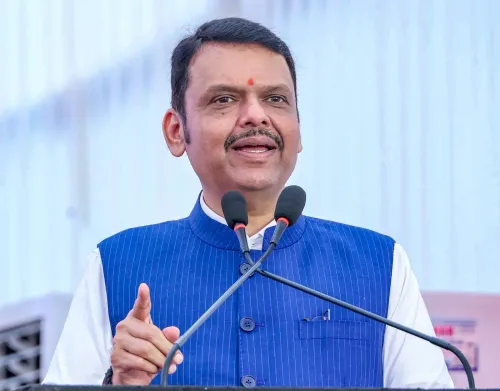
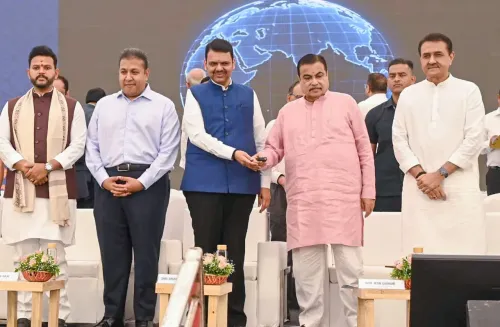
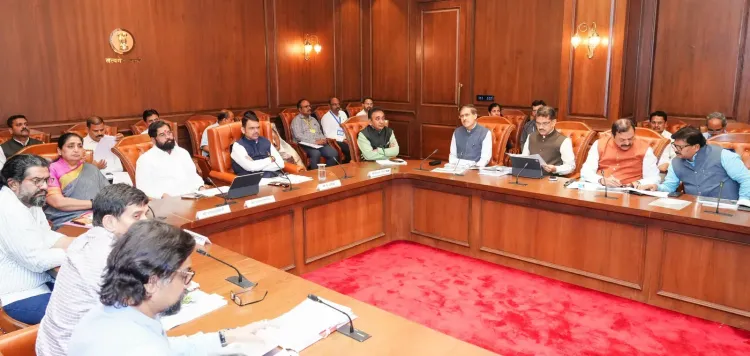
The Cabinet Committee on Infrastructure, chaired by CM Devendra Fadnavis , met at Vidhan Bhavan, Mumbai on 25 June 2026 .
A 3.55 km connector linking the Swatantryaveer Savarkar Sagar Setu to Bandra Fort was approved at an estimated cost of Rs 1,722.40 crore , to be built by MSRDC .
The connector is projected to cut travel time on the route from 20–45 minutes to 10 minutes .
A 1.40 km elevated metro extension from Kanhan River to Kanhan town under Nagpur Metro Phase-2 was approved at Rs 310.35 crore , to be executed by MahaMetro .
The Nagpur extension will proceed to implementation only after central government sanction .
Deputy CMs Eknath Shinde and Sunetra Ajit Pawar , along with Minister Shivendrasinharaje Bhosale , attended the meeting.
The Chief Minister's Office of Maharashtra announced on 25 June 2026 that the Cabinet Committee on Infrastructure, chaired by Chief Minister Devendra Fadnavis, approved two significant urban mobility projects at a meeting held at Vidhan Bhavan, Mumbai: an elevated metro extension under Nagpur Metro Phase-2 and a new coastal connector linking the Swatantryaveer Savarkar Sagar Setu to Bandra Fort.
Context
The committee cleared the construction of an additional link road from the Swatantryaveer Savarkar Sagar Setu (Mumbai Coastal Road) to Bandra Fort, at an estimated project cost of Rs 1,722.40 crore. The connector will be 3.55 km in length and is expected to cut travel time on this corridor from 20 to 45 minutes down to just 10 minutes. Implementation has been entrusted to the Maharashtra State Road Development Corporation (MSRDC).
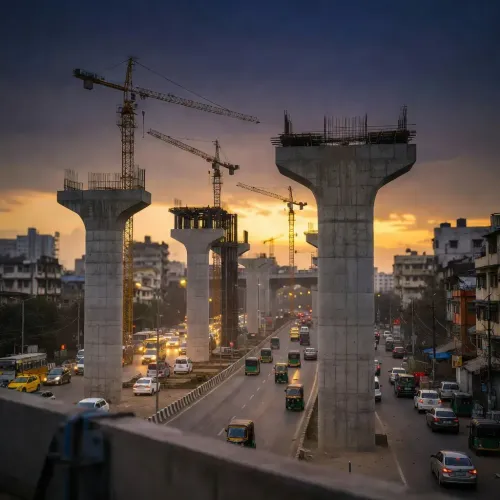
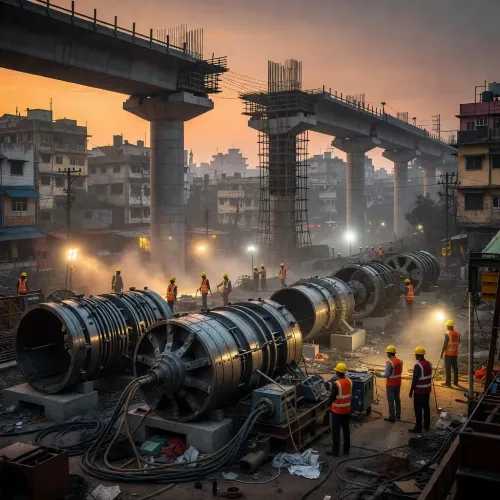
Separately, the committee approved an elevated metro extension under Nagpur Metro Rail Phase-2, covering the stretch from Kanhan River to Kanhan town in Nagpur district. This 1.40 km elevated corridor will have one elevated station and is estimated to cost Rs 310.35 crore. Execution will be handled by Maharashtra Metro Rail Corporation Ltd (MahaMetro), subject to central government sanction.
Policy Backdrop
Nagpur Metro Phase-1 received central government sanction in 2015 and became partially operational from 2019 onward, establishing MahaMetro as the executing agency for the city's urban rail network. The Mumbai Coastal Road project received initial state cabinet approval in 2015, with subsequent phases cleared in 2017–2018, making the Bandra connector a logical extension of that long-running infrastructure programme.
Maharashtra constituted the Cabinet Committee on Infrastructure in 2023 specifically to accelerate urban mobility decisions and reduce bureaucratic delays on large capital projects. Both approvals announced on 25 June 2026 flow directly from that institutional mechanism.
Stakeholders and Impact
For Mumbai commuters, the 3.55 km Bandra connector promises to dramatically ease the notoriously congested western-suburb link, where peak-hour travel times currently stretch to 45 minutes for a short distance. The connector ties the coastal road's existing network into the Bandra peninsula, potentially redistributing a significant share of daily vehicular traffic.
In Nagpur, the Kanhan extension targets residents of the Kanhan area who currently lack reliable public transport options. Adding an elevated station and a 1.40 km corridor to the Phase-2 network strengthens last-mile connectivity for one of the city's growing peripheral zones. The meeting was attended by Deputy Chief Minister Eknath Shinde, Deputy Chief Minister Sunetra Ajit Pawar, Minister Shivendrasinharaje Bhosale, and senior officials.
What's Next
The Nagpur Kanhan metro extension will move to implementation only after the central government grants its formal sanction — a step that typically involves appraisal by the Ministry of Housing and Urban Affairs and approval from the Union Cabinet or its designated committee. MahaMetro is expected to initiate detailed project reports and tendering once that clearance is in hand.
For the Bandra connector, MSRDC will proceed with land acquisition, environmental clearances, and contractor procurement. The approval of the Rs 1,722.40 crore outlay by the infrastructure committee marks the formal green light for this process, and Maharashtra's track record on coastal-road execution will be closely watched as a benchmark for delivery timelines.
Point of View
Giving the Mahayuti coalition tangible deliverables in both its largest cities ahead of any electoral cycle. The Bandra connector completes a missing link in the Mumbai Coastal Road network that has been debated for years, while the Kanhan metro extension signals that Nagpur — CM Fadnavis's home constituency — continues to receive priority in Phase-2 planning. However, the Nagpur project's dependence on central sanction introduces an institutional variable that could delay ground-breaking regardless of state-level enthusiasm. Taken together, these decisions reinforce Maharashtra's positioning as one of India's most active states in urban infrastructure investment, though delivery timelines and cost escalation remain the perennial tests of intent.
NationPress
26 Jun 2026
Frequently Asked Questions
What is the Bandra Fort sea link connector approved by Maharashtra?
It is a 3.55 km elevated link road connecting the Swatantryaveer Savarkar Sagar Setu (Mumbai Coastal Road) to Bandra Fort , approved at a cost of Rs 1,722.40 crore and to be built by MSRDC .
How much will the Nagpur Metro Phase-2 Kanhan extension cost?
The extension from Kanhan River to Kanhan town has a project completion cost of Rs 310.35 crore and will cover 1.40 km with one elevated station.
Will the Bandra connector reduce travel time on the Mumbai Coastal Road?
Yes. According to the state government, the connector is expected to reduce travel time on this stretch from the current 20 to 45 minutes down to approximately 10 minutes .
Who will build the Nagpur Metro Kanhan extension?
Maharashtra Metro Rail Corporation Ltd (MahaMetro) will implement the project, but construction will begin only after the central government grants its sanction .
Who attended the Maharashtra Cabinet Infrastructure Committee meeting on 25 June 2026?
The meeting was chaired by CM Devendra Fadnavis and attended by Deputy CM Eknath Shinde , Deputy CM Sunetra Ajit Pawar , Minister Shivendrasinharaje Bhosale , and senior government officials.