White House Reaffirms America First Policy Doctrine
Synopsis
The White House on 25 June 2026 posted a pointed reaffirmation of the America First doctrine, declaring the U.S. is 'once again' placing national interests at the centre of all policy decisions — from trade and defence to immigration — with implications for allies and partners worldwide.
Key Takeaways
The White House posted on 25 June 2026 reaffirming the America First doctrine across all areas of U.S. policy.
The phrase 'once again' signals a deliberate return to or reinforcement of the sovereignty-focused framework first articulated in January 2017 .
America First historically prioritised bilateral trade deals, NATO burden-sharing demands, and tighter immigration enforcement.
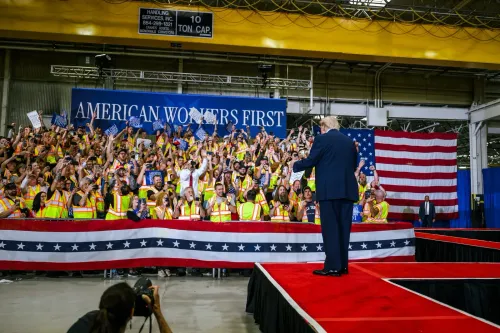
U.S. manufacturers are the primary domestic constituency invoked under this doctrine; trading partners including India face potential tariff and visa scrutiny.
Upcoming U.S. trade reviews, alliance spending negotiations, and executive actions on tariffs will be the key indicators of how this reaffirmation translates into concrete policy.
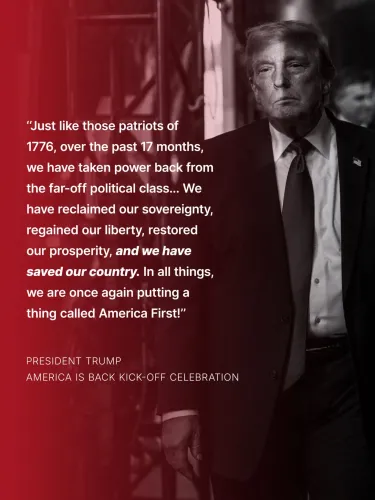
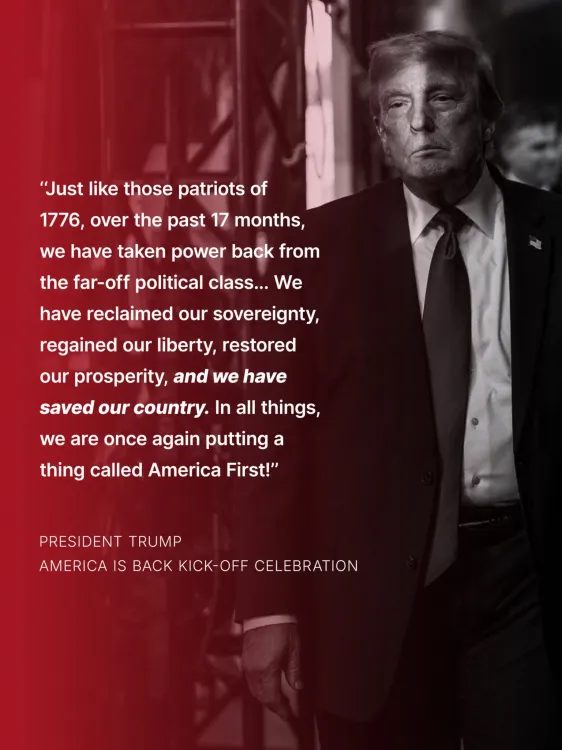
The White House, the official communications account of the Executive Office of the President of the United States, posted on X on Thursday, 25 June 2026, reaffirming the America First doctrine with the declaration: 'In all things, we are once again putting a thing called America First!'
Context
The phrase 'America First' carries significant political weight in modern U.S. governance. It was first articulated as a governing philosophy by President Donald J. Trump in his January 2017 inaugural address, framing trade, defence burden-sharing, and immigration policy around the primacy of U.S. national interests over multilateral institutional commitments.
The June 2026 post signals a renewed or continued emphasis on this sovereignty-focused framework, invoking the phrase 'once again' — language that underscores a deliberate return to or reinforcement of this posture.
Policy Backdrop
The America First doctrine, as historically applied, prioritised bilateral trade deals over multilateral agreements, pushed NATO allies to increase their own defence spending, and tightened immigration enforcement at the U.S. border. These positions placed Washington in periodic friction with longstanding partners in Europe and multilateral bodies such as the World Trade Organisation.
The broader pattern fits a wave of sovereignty-focused recalibrations seen across several Western governments during the late 2010s and early 2020s, driven by public discontent over globalisation, trade imbalances, and perceived inequities in alliance burden-sharing. The White House post, while brief, signals that this framework remains the operative lens for U.S. policy decisions.
Stakeholders and Impact
U.S. manufacturers have historically been among the primary domestic constituencies invoked under America First, with tariff measures and 'Buy American' procurement rules framed as protections for domestic industry and jobs. For NATO allies and trading partners, the doctrine has historically translated into pressure on defence expenditure commitments and renegotiated trade terms.
For India, the America First posture carries direct relevance: past iterations brought scrutiny of H-1B visa programmes, tariff disputes over steel and aluminium, and negotiations over preferential trade access. Indian policymakers and exporters will be watching closely for any executive actions that follow this rhetorical reaffirmation.
What's Next
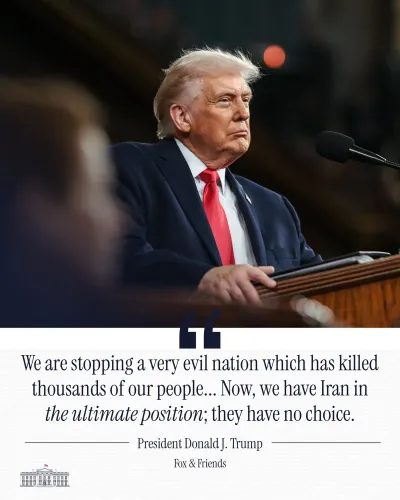
Analysts and governments will now monitor upcoming U.S. trade reviews, alliance spending negotiations, and potential executive actions on tariffs and immigration enforcement for concrete policy signals. The post's accompanying image — shared without extended commentary — leaves the specific trigger or immediate policy context open to interpretation pending further official statements.
The reaffirmation of America First in mid-2026 sets an expectation that Washington's engagement with global institutions, bilateral trade partners, and security alliances will continue to be filtered through a lens of measurable national benefit — a posture with implications stretching from Brussels to New Delhi.
Point of View
Implying a preceding departure and a conscious course correction. For countries like India that have navigated the push-and-pull of this doctrine before — on visas, tariffs, and defence procurement — the post is an early cue to recalibrate diplomatic and trade strategies. The broader arc points toward a U.S. foreign and economic policy that will continue to subordinate multilateral commitments to measurable bilateral gains.
NationPress
26 Jun 2026
Frequently Asked Questions
What is the America First policy?
America First is a U.S. governing doctrine that prioritises national economic, border, and security interests over multilateral institutional commitments. It was formally articulated by President Donald J. Trump in his January 2017 inaugural address and has shaped U.S. trade, immigration, and alliance policy.
Why did the White House post about America First in June 2026?
The White House posted on 25 June 2026 reaffirming the America First doctrine, signalling that this sovereignty-focused framework remains the guiding principle for U.S. policy. The specific trigger for the post was not detailed in the message itself.
How does America First affect India?
Past applications of the America First doctrine brought scrutiny of H-1B visas used by Indian technology professionals, tariff disputes on steel and aluminium, and pressure on preferential trade access for Indian exports. Indian policymakers and exporters monitor these signals closely.
What policy changes could follow the America First reaffirmation?
Analysts expect potential executive actions on tariffs, immigration enforcement, and alliance spending negotiations. Trade reviews targeting bilateral deficits and 'Buy American' procurement rules are among the most likely near-term policy expressions of this posture.
How does America First affect NATO allies?
Under the America First framework, NATO allies have faced repeated pressure to raise their defence spending to agreed targets, with the U.S. arguing it bears a disproportionate share of collective defence costs. This posture has periodically strained transatlantic relations.