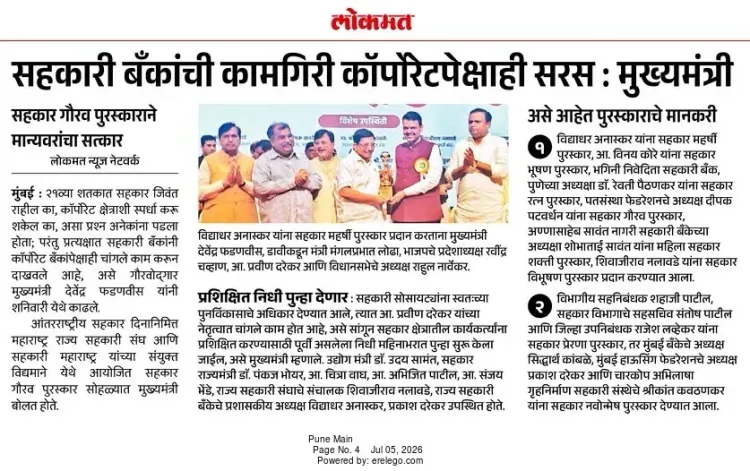
CM Fadnavis: Cooperative Banks Outperform Corporate Banks
Synopsis
On International Day of Cooperatives, Chief Minister Devendra Fadnavis declared that Maharashtra's cooperative banks outperform corporate banks, reaffirming the state's long-standing commitment to member-owned rural financial institutions over purely private-sector banking models.
Key Takeaways
CM Devendra Fadnavis stated on 5 July 2026 that cooperative banks in Maharashtra have surpassed corporate banks in performance.
The statement was made on International Day of Cooperatives , the UN-observed annual event promoting the global cooperative movement.
Maharashtra has one of India's largest cooperative banking networks, rooted in the Maharashtra Cooperative Societies Act, 1960 .
The 2009 Vaidyanathan Committee recommendations previously led to revival packages for the state's district central cooperative banks.
The Union government's creation of a Ministry of Cooperation in 2021 reinforced state-level alignment with cooperative credit priorities.
Policy watchers will track upcoming assembly session decisions on cooperative bank recapitalisation and non-performing asset management.
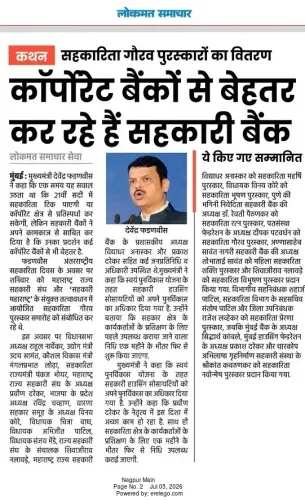
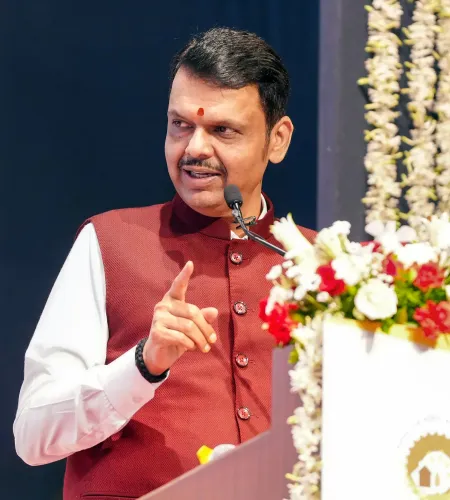
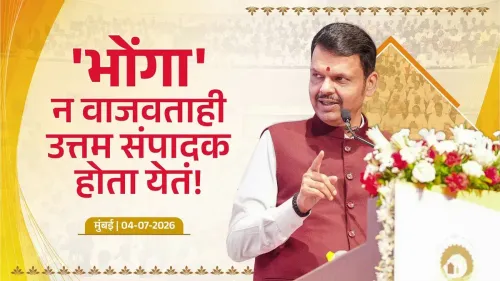
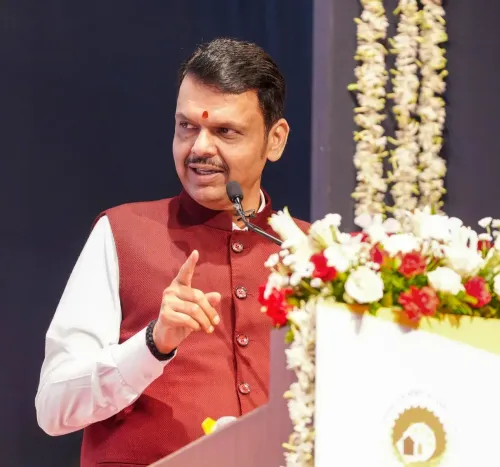
The Chief Minister's Office of Maharashtra, on behalf of Chief Minister Devendra Fadnavis, declared on Sunday, 5 July 2026 — the International Day of Cooperatives — that cooperative banks in the state have surpassed corporate banks in performance, underscoring the sector's central role in Maharashtra's financial architecture.
Posting in Marathi, the Chief Minister's Office quoted CM Fadnavis as saying, 'सहकारी बँकांची कामगिरी कॉर्पोरेटपेक्षाही सरस' — 'the performance of cooperative banks is better than even corporate banks.' The remark was made in the context of the UN-observed annual event that promotes the global cooperative movement and its socio-economic contributions.
Context
Maharashtra hosts one of India's largest and most entrenched networks of cooperative banks, sugar factories, and dairy societies. These institutions have historically served as the primary channel for agricultural credit, particularly for small and marginal farmers who remain outside the reach of mainstream commercial banking. The International Day of Cooperatives, observed on the first Saturday of July each year, has become a platform for state governments to reaffirm political and policy commitment to the cooperative sector. CM Fadnavis has consistently positioned cooperative institutions as a pillar of rural economic resilience during both his tenures as Chief Minister. His latest statement elevates that framing by placing cooperative banks above corporate counterparts on performance — a pointed assertion at a time when private-sector banking has expanded aggressively into semi-urban and rural markets.Policy Backdrop
The legal foundation for Maharashtra's cooperative banking network is the Maharashtra Cooperative Societies Act, 1960, which governs the registration and supervision of cooperative banks and societies across the state. Structural reforms followed decades later: the 2009 Vaidyanathan Committee recommendations triggered revival packages for district central cooperative banks, targeting governance gaps and capital adequacy shortfalls. A significant national shift came in 2021 when the Union government established a dedicated Ministry of Cooperation, signalling a federal push to mainstream the cooperative model. Maharashtra responded with renewed emphasis on cooperative credit delivery, aligning state priorities with the Centre's broader agenda. That alignment has given successive Maharashtra administrations — across party lines — a ready policy vocabulary to defend member-owned financial institutions against critics who favour purely market-driven banking models.Stakeholders and Impact
The primary beneficiaries of a strong cooperative banking system in Maharashtra are rural farmers, agricultural labourers, and small borrowers in districts where district central cooperative banks remain the dominant formal credit source. Unlike commercial banks, cooperative banks operate on a member-owned model, theoretically aligning institutional incentives with borrower welfare rather than shareholder returns. For policymakers, the performance comparison CM Fadnavis drew carries political weight: it positions the state government as a defender of rural financial inclusion against the encroachment of profit-driven corporate banking. Cooperative bank employees, management committees, and the broader network of affiliated societies are also key stakeholders who stand to gain from heightened political patronage and potential recapitalisation support.What's Next
Attention will now turn to the upcoming assembly session, where state budget allocations for cooperative bank recapitalisation and any new directives on non-performing assets of district central cooperative banks are expected to be closely watched. CM Fadnavis's public endorsement of cooperative bank performance ahead of the session could set the tone for fresh policy support, including possible capital infusion or regulatory relief for weaker district-level institutions. Whether the government translates this rhetorical commitment into concrete fiscal measures will determine the real-world impact of today's declaration on Maharashtra's rural credit landscape.Point of View
And this kind of International Day messaging is a well-worn tool for asserting ownership of that space. The timing, aligned with the Centre's own cooperative push since 2021, suggests a coordinated effort to consolidate political capital in the countryside. Whether the rhetoric translates into measurable policy action — recapitalisation, NPA relief, governance reforms — remains the real test of intent.
NationPress
5 Jul 2026
Frequently Asked Questions
What did CM Devendra Fadnavis say about cooperative banks on International Day of Cooperatives 2026?
CM Devendra Fadnavis stated that the performance of cooperative banks in Maharashtra is better than even corporate banks, making the declaration on 5 July 2026 during the International Day of Cooperatives.
What is the International Day of Cooperatives?
The International Day of Cooperatives is a UN-observed annual event held on the first Saturday of July each year to promote the global cooperative movement and its socio-economic contributions.
How significant is the cooperative banking sector in Maharashtra?
Maharashtra has one of India's largest networks of cooperative banks, sugar factories, and dairy societies, which serve as the primary source of agricultural credit for small and marginal farmers across the state.
What is the Maharashtra Cooperative Societies Act?
The Maharashtra Cooperative Societies Act, 1960, is the foundational legislation that governs the registration and supervision of cooperative banks and societies in Maharashtra.
What policy changes have strengthened cooperative banks in Maharashtra recently?
The Union government established a dedicated Ministry of Cooperation in 2021, prompting Maharashtra to renew its focus on cooperative credit delivery, building on earlier reforms recommended by the 2009 Vaidyanathan Committee.