CM Fadnavis Distributes Share Certificates to Bharat Taxi Drivers
Synopsis
Chief Minister Devendra Fadnavis launched the Bharat Taxi cooperative service at Navi Mumbai International Airport on 23 July 2026, distributing share certificates to five drivers and formalising a co-ownership model for airport taxi operations in Maharashtra.
Key Takeaways
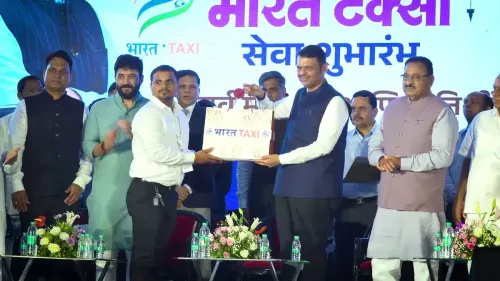
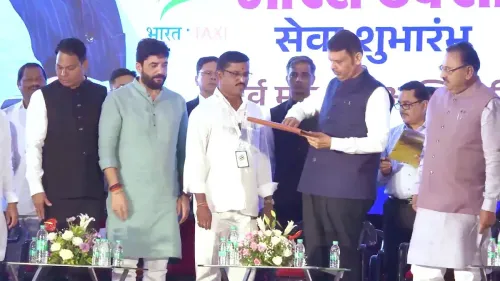
CM Devendra Fadnavis distributed Bharat Taxi share certificates at Navi Mumbai International Airport on 23 July 2026 .
Five drivers received certificates: Sachin Salunkhe , Seema Santosh Devgirikar , Santosh Singh , Anant Pawaskar , and Hitesh Dand .
Bharat Taxi is a cooperative model that makes drivers co-owners of the taxi service, not just operators.
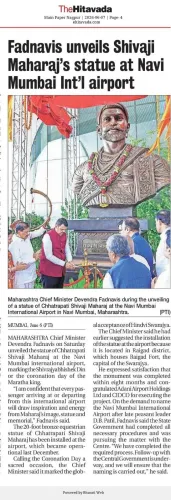
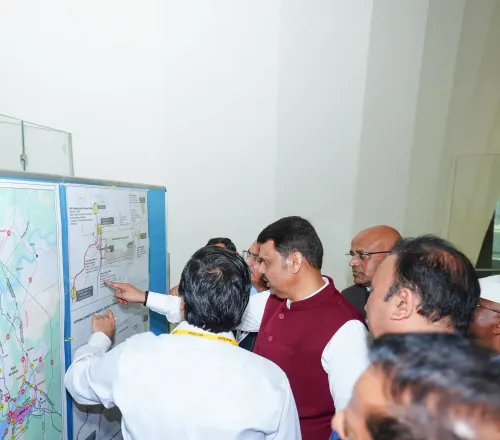
The launch is tied to Navi Mumbai International Airport , a greenfield project meant to decongest Mumbai 's existing airport.
Maharashtra aims to integrate regulated cooperative transport with new aviation infrastructure from day one of operations.
A phased expansion of Bharat Taxi to additional airports and transport hubs across the state is anticipated.
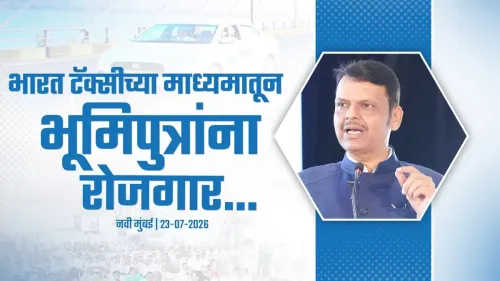
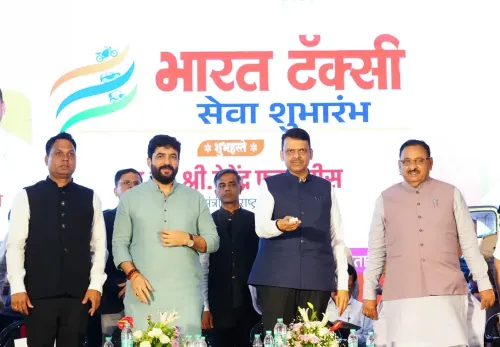
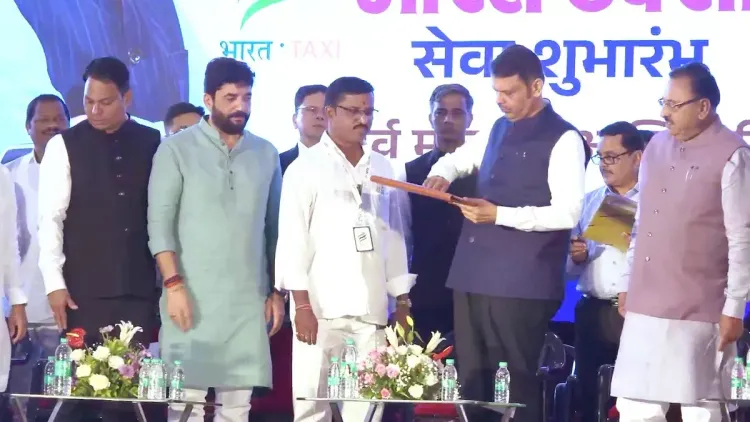
Chief Minister Devendra Fadnavis on Thursday, 23 July 2026, distributed share certificates to Bharat Taxi drivers at an inauguration ceremony held at Navi Mumbai International Airport, marking the formal launch of the cooperative taxi service at the greenfield facility.
Context
The Chief Minister's Office of Maharashtra announced that Fadnavis distributed share certificates to drivers in a representative capacity at the 'Bharat Taxi Seva Shubharambh Karyakram' (Bharat Taxi Service Inauguration Programme). The certificates were handed to five drivers: Sachin Salunkhe, Seema Santosh Devgirikar, Santosh Singh, Anant Pawaskar, and Hitesh Dand.
The distribution of share certificates signifies that these drivers are not merely employees but co-owners of the cooperative, giving them a direct economic stake in the enterprise. This model distinguishes Bharat Taxi from conventional app-based or contractor-run taxi aggregators.
Policy Backdrop
Bharat Taxi is a cooperative taxi initiative in Maharashtra designed to provide share ownership to drivers operating at airports and other major transport hubs. The cooperative model is intended to formalise last-mile connectivity while simultaneously addressing driver welfare and income security.
Navi Mumbai International Airport is a major greenfield project developed to ease congestion at Chhatrapati Shivaji Maharaj International Airport in Mumbai and expand the region's overall air-travel capacity. The airport received central and state approvals during the 2010s as part of India's broader airport modernisation programme. Anchoring an organised cooperative taxi service at the facility from the outset reflects the state government's intent to integrate regulated ground transport with new aviation infrastructure.
Stakeholders and Impact
Maharashtra has pursued a twin-track approach: developing large aviation infrastructure while simultaneously building organised transport services through cooperative structures. For taxi drivers, share ownership translates into profit-sharing rights and a degree of institutional security that informal arrangements do not provide.
Cooperative societies and registered drivers stand to benefit most directly, while airport users gain a regulated, accountable taxi option at a brand-new international terminal. The initiative also aligns with broader state-level efforts to bring gig and semi-formal transport workers under a structured economic framework.
What's Next
The Bharat Taxi model is expected to see a phased rollout at additional airports and transport nodes across Maharashtra as the Navi Mumbai airport moves toward full operational capacity. The success of the cooperative ownership model here could serve as a template for similar initiatives at other greenfield infrastructure projects in the state.
Point of View
The state government is attempting to preempt the labour disputes and regulatory friction that have plagued app-based taxi aggregators at major airports elsewhere in India. This fits a broader pattern under Fadnavis of pairing hard infrastructure announcements with welfare-linked service models, lending political visibility to both development and worker-inclusion narratives simultaneously. Whether the cooperative can sustain financial viability as Navi Mumbai airport scales up will be the real test of the model's durability.
NationPress
23 Jul 2026
Frequently Asked Questions
What is Bharat Taxi Maharashtra?
Bharat Taxi is a cooperative taxi initiative in Maharashtra where drivers receive share certificates making them co-owners of the service, rather than employees or contractors, with operations anchored at airports and major transport hubs.
What happened at Navi Mumbai International Airport on 23 July 2026?
Chief Minister Devendra Fadnavis inaugurated the Bharat Taxi service at Navi Mumbai International Airport and distributed share certificates to five cooperative drivers in a representative ceremony.
Who received Bharat Taxi share certificates from CM Fadnavis?
The five drivers who received share certificates were Sachin Salunkhe, Seema Santosh Devgirikar, Santosh Singh, Anant Pawaskar, and Hitesh Dand.
What is the significance of a share certificate in Bharat Taxi?
A share certificate means the driver is a part-owner of the Bharat Taxi cooperative, entitling them to profit-sharing and institutional rights beyond what a standard employment or aggregator arrangement provides.
When will Navi Mumbai International Airport become fully operational?
Navi Mumbai International Airport is a greenfield project still moving toward full operations; the Bharat Taxi launch is part of preparations to have organised ground transport ready ahead of the airport's complete opening.