CM Fadnavis backs Modi's fast track courts for youth protection
Synopsis
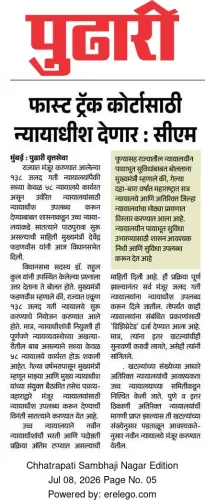
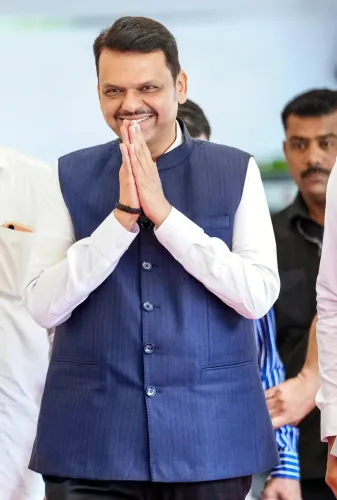
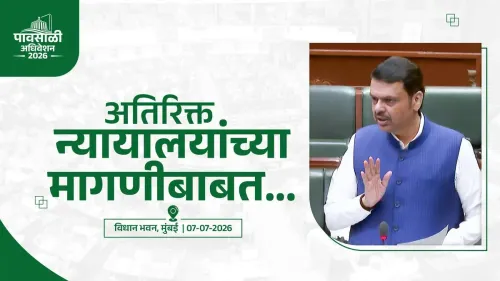
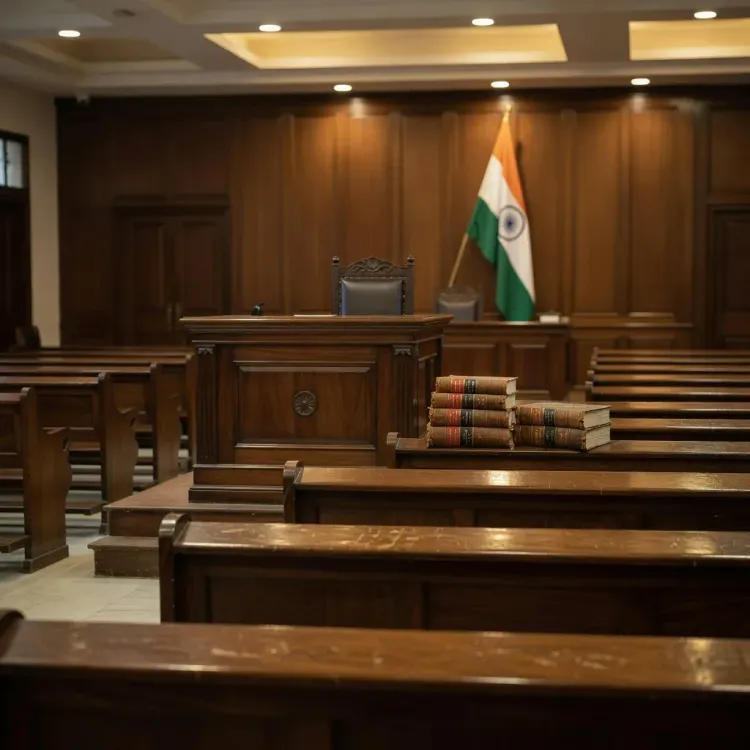
Maharashtra CM Devendra Fadnavis on 23 July 2026 endorsed PM Modi's move to deploy fast track courts against those jeopardising the future of India's youth, calling it a zero-tolerance stance that will deliver speedy and strict justice.
Key Takeaways
Devendra Fadnavis , Chief Minister of Maharashtra, publicly backed PM Narendra Modi's decision on 23 July 2026 to use fast track courts to protect India's youth.
Fadnavis described the move as the central government's 'zero tolerance' towards anyone who 'plays with our Nation's YOUth.' Fast Track Courts were first established in 2000 on the recommendation of the 11th Finance Commission to clear criminal case backlogs.
The Modi government has previously expanded fast track courts to cover sexual offences and crimes against children, with central funding and state-level rollout.
State-level implementation details — including number of new benches and jurisdictions — are awaited from Maharashtra and other states.
Conviction rates and case-disposal timelines in existing fast track courts will be the key metric to assess the impact of any new expansion.
Maharashtra Chief Minister Devendra Fadnavis on Thursday, 23 July 2026, publicly backed a decision by Prime Minister Narendra Modi to deploy fast track courts against those he described as jeopardising the future of India's youth, calling it a demonstration of the central government's zero-tolerance stance.
Context
Posting on X, Fadnavis wrote: 'Whoever jeopardises the future of our YOUth will not be spared!' He credited PM Modi's decision with signalling that the government would pursue 'strictest actions for the misdeeds by some senseless people.' The deliberate capitalisation of 'YOU' in 'YOUth' underscores a rhetorical emphasis on the centrality of young Indians to the government's priorities.
The Chief Minister did not specify the precise incident or policy order triggering the post, but his framing — zero tolerance, fast track courts, and speedy results — points to a law-and-order measure directed at offences perceived to harm young people.
Policy Backdrop
Fast Track Courts in India have a legislative history stretching back to 2000, when they were first recommended by the 11th Finance Commission to reduce mounting criminal case backlogs across district-level courts. Over the subsequent two decades, successive central and state governments expanded the fast track model to cover sexual offences, crimes against children, and other categories seen as requiring urgent judicial attention.
The Modi government has periodically reinforced central funding for fast track special courts, particularly for cases involving crimes against women and minors, framing speedy convictions as both a deterrent and a measure of justice for vulnerable sections. Maharashtra, as one of India's most populous states, has been a significant site for such court expansions.
Stakeholders and Impact
The primary beneficiaries of an accelerated fast track court mechanism would be India's youth — a demographic that constitutes the single largest share of the country's population and workforce. Faster trials in cases involving harm to young people are widely seen by legal advocates as critical to both justice delivery and deterrence.
For the judiciary, any fresh mandate to operationalise additional fast track benches would require allocation of judges, infrastructure, and prosecutorial resources at the state level. Maharashtra's court system, already managing high caseloads in cities such as Mumbai and Pune, would need coordinated support from both the state government and the Supreme Court's administrative machinery.
Political stakeholders will note that Fadnavis has consistently aligned Maharashtra's governance messaging with the BJP-led central government's law-and-order narrative, and this post reinforces that alignment ahead of any potential legislative or administrative follow-through.
What's Next
Observers will watch for a formal government notification or order detailing the scope of the fast track court directive referenced by PM Modi, including the categories of offences covered and the timeline for operationalisation. Maharashtra is expected to announce state-level implementation steps, including the number of new benches and their jurisdictions.
Conviction rates and case-disposal timelines in existing fast track courts will serve as the baseline against which the effectiveness of any new expansion is measured. If the political momentum behind this announcement translates into administrative action, it could set a precedent for other BJP-governed states to follow suit, potentially reshaping the pace of criminal justice delivery for youth-related offences across the country.
Point of View
Digitally active audience. Fast track courts have historically been a bipartisan tool, but the BJP has increasingly made them a centrepiece of its justice-delivery narrative, using them to project decisive governance. Whether the political momentum converts into measurable judicial outcomes — faster disposals, higher conviction rates — will determine whether this announcement resonates beyond the news cycle.
NationPress
23 Jul 2026
Frequently Asked Questions
What are fast track courts in India?
Fast track courts are specialised courts set up to expedite trials in serious criminal cases and reduce judicial pendency. They were first constituted in 2000 under the 11th Finance Commission's recommendations and have since been expanded to cover offences such as sexual crimes and crimes against children.
What decision by PM Modi did CM Fadnavis endorse?
CM Devendra Fadnavis endorsed a decision by PM Narendra Modi to deploy fast track courts against those who jeopardise the future of India's youth. The specific order or notification underpinning the decision had not been publicly detailed at the time of the post on 23 July 2026 .
Why is Devendra Fadnavis supporting fast track courts for youth?
Fadnavis framed the support as part of a zero-tolerance approach to anyone who 'plays with our Nation's YOUth,' aligning Maharashtra's governance stance with the BJP-led central government's emphasis on speedy justice for vulnerable sections, particularly young people.
How do fast track courts help India's youth?
Fast track courts reduce the time between the filing of a case and its disposal, meaning victims — including young people harmed by criminal acts — receive justice faster. Quicker convictions also serve as a deterrent against repeat offences targeting youth.
What will happen next after this fast track court announcement?
Observers are awaiting a formal government notification specifying the categories of offences covered, the number of new benches, and the implementation timeline. Maharashtra is expected to announce state-level steps, and conviction and case-disposal statistics will be monitored to assess real-world impact.