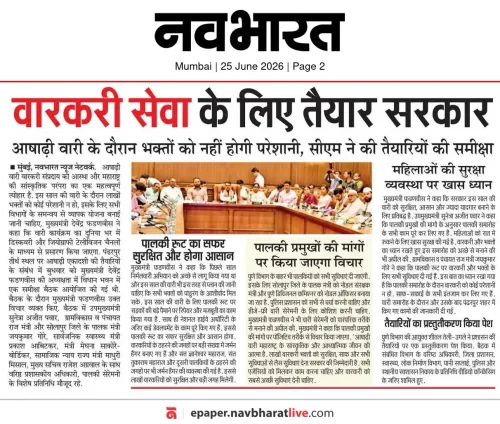
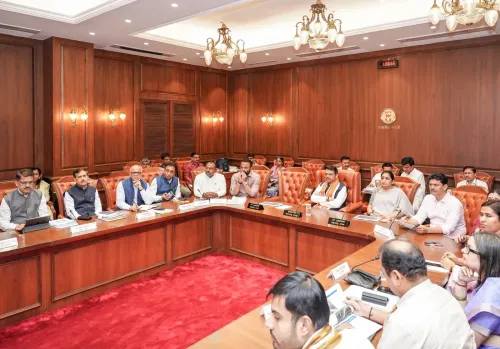
CM Fadnavis Pledges Safer, Tech-Enabled Ashadhi Wari 2026
Synopsis
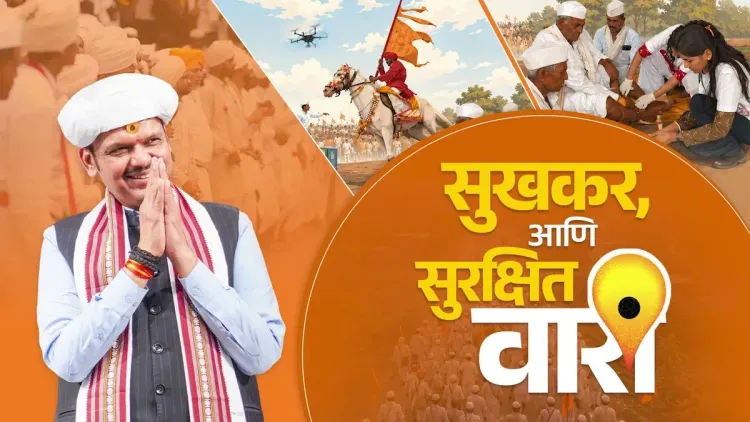
The Chief Minister's Office of Maharashtra declared on 23 July 2026 that the state is committed to a safe, comfortable Ashadhi Wari 2026 pilgrimage, backed by Palkhi highway infrastructure, the Nirmal Wari cleanliness drive, advanced technology and inclusive health facilities — framing pilgrim service as devotion to Vitthal.
Key Takeaways
The Chief Minister's Office of Maharashtra posted on 23 July 2026 reaffirming state commitment to Ashadhi Wari 2026 .
Four pillars cited: Palkhi highway infrastructure, Nirmal Wari sanitation scheme, advanced technology and comprehensive health facilities.
Chief Minister Devendra Fadnavis is tagged, with the message framing pilgrim service as an act of devotion to Vitthal .
The Nirmal Wari scheme focuses on cleanliness and hygiene along the entire pilgrimage corridor leading to Pandharpur .
The announcement continues a policy lineage of Palkhi route upgrades dating to the 2014–2019 Fadnavis administration.
Specific technology platforms and budget allocations for 2026 are yet to be publicly detailed.
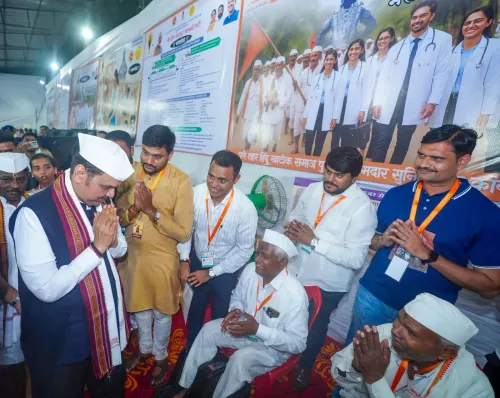
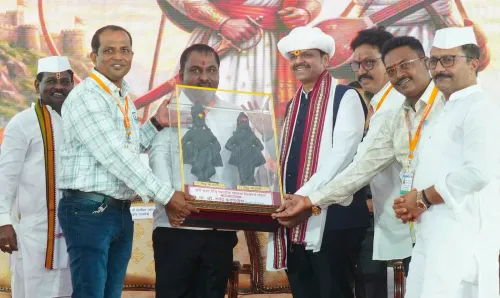
The Chief Minister's Office of Maharashtra on Thursday, 23 July 2026 reaffirmed the state government's commitment to making the Ashadhi Wari 2026 pilgrimage safe, comfortable and inclusive, citing dedicated highway infrastructure, the Nirmal Wari cleanliness drive, advanced technology deployment and comprehensive health facilities as the pillars of its preparation.
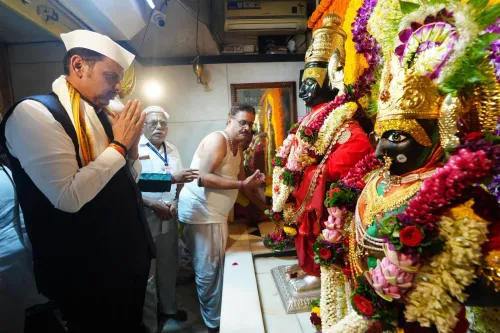
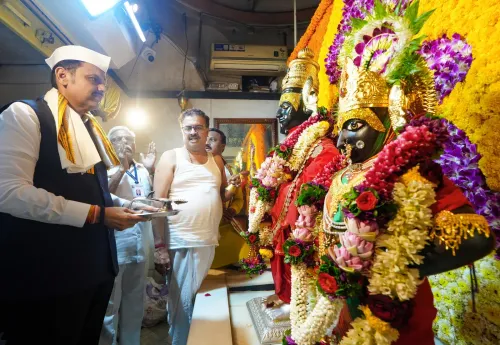
The post, attributed to Chief Minister Devendra Fadnavis, declared in Marathi: 'Warkaryanche seva hich Vitthalachi seva!' ('Serving the Warkaris is serving Vitthal itself!'), framing the state's administrative effort as an act of devotion rather than mere governance.
Context
The Ashadhi Wari is one of Maharashtra's most significant annual religious events, drawing lakhs of Warkari devotees who walk in palkhi processions from across the state to Pandharpur, the seat of the Vitthal temple. The processions honour saints Dnyaneshwar and Tukaram and converge on Pandharpur on the auspicious Ashadhi Ekadashi. The scale of the gathering — spanning hundreds of kilometres of route — places enormous logistical and public-health demands on the state machinery.
Policy Backdrop
Maharashtra governments have maintained a structured support framework for the Wari since at least the early 2010s, covering medical camps, sanitation and route upkeep. During Fadnavis's earlier administration from 2014 to 2019, the state undertook dedicated upgrades to the Palkhi highway corridor to improve pilgrim safety and accessibility. The current announcement signals a continuation and deepening of that infrastructure-first approach, now layered with explicit references to adyatunick tantradnyan — advanced technology — for monitoring and crowd management.
The Nirmal Wari scheme, a state-run cleanliness and sanitation programme rolled out specifically for the pilgrimage season, remains a centrepiece of the government's public-health response along the route. Its inclusion in the official communication underscores the administration's intent to maintain hygiene standards across the entire pilgrimage corridor, not just at the Pandharpur terminus.
Stakeholders and Impact
The primary beneficiaries are the lakhs of Warkari pilgrims who undertake the arduous on-foot journey each year, many of them elderly or from economically marginal backgrounds. Improved roads, reliable medical access and sanitation directly reduce the risks of injury, illness and fatigue that have historically accompanied mass pilgrimages of this scale. Local communities along the Palkhi route also benefit from infrastructure upgrades that outlast the pilgrimage season.
Broader state policy across India has trended toward integrating digital monitoring, emergency services and public-health infrastructure into large religious gatherings — a pattern visible at major yatras elsewhere in the country. Maharashtra's articulated roadmap for Ashadhi Wari 2026 positions the state as a reference point for that model.
What's Next
Attention will now turn to the specific technology platforms the state deploys — whether real-time crowd-monitoring tools, digital health kiosks or route-tracking systems — and to any dedicated budget allocations or legislative discussions that formalise the 2026 commitments. The government's ability to translate this announcement into measurable on-ground improvements will be closely watched by both the Warkari community and civic observers ahead of Ashadhi Ekadashi 2026. A successful, incident-free pilgrimage would reinforce the Fadnavis administration's narrative of combining cultural stewardship with modern governance.
Point of View
Timed well ahead of Ashadhi Ekadashi 2026, positioning the Fadnavis administration as both a devout steward of Warkari tradition and a modernising force deploying technology at scale. By invoking the phrase 'serving Warkaris is serving Vitthal,' the government blurs the line between administrative duty and religious sentiment — a framing that resonates deeply in Maharashtra's politically influential Warkari belt. The explicit mention of Nirmal Wari and Palkhi highway infrastructure also signals continuity with Fadnavis's earlier term, reinforcing an identity built around infrastructure delivery. Whether the rhetoric translates into measurable improvements in crowd safety and health outcomes will determine the political dividend the administration actually reaps.
NationPress
23 Jul 2026
Frequently Asked Questions
What is Ashadhi Wari and when does it take place?
Ashadhi Wari is an annual Hindu pilgrimage in Maharashtra in which lakhs of Warkari devotees walk in palkhi processions to the Vitthal temple in Pandharpur, culminating on Ashadhi Ekadashi in the Hindu month of Ashadha, which typically falls in June or July.
What is the Nirmal Wari scheme?
Nirmal Wari is a Maharashtra state government programme focused on cleanliness and sanitation along the Wari pilgrimage routes, ensuring hygiene facilities are maintained for the large number of pilgrims who travel on foot to Pandharpur.
What infrastructure has Maharashtra built for the Palkhi route?
The Maharashtra government undertook dedicated Palkhi highway corridor upgrades during the 2014–2019 Fadnavis administration to improve road quality, safety and accessibility for pilgrims. The current government has signalled further investment in the same corridor for Ashadhi Wari 2026.
What technology is Maharashtra using for Ashadhi Wari 2026?
The Chief Minister's Office has referenced the use of advanced technology as part of Wari 2026 preparations, though specific platforms — such as crowd-monitoring tools or digital health kiosks — have not yet been publicly detailed.
Who is Devendra Fadnavis and what is his role in Wari preparations?
Devendra Fadnavis is the Chief Minister of Maharashtra. He has been associated with Palkhi route infrastructure upgrades since his earlier term (2014–2019) and was tagged in the CMO's 23 July 2026 post reaffirming the state's commitment to a safe and comfortable Ashadhi Wari 2026.