CM Fadnavis Focuses on Health, Jobs, Skills, Sanitation in Nagpur
Synopsis
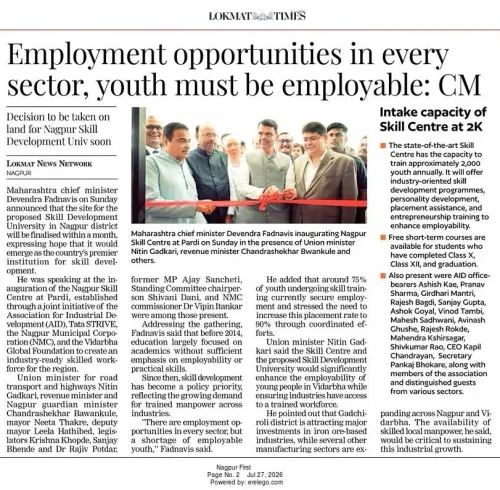
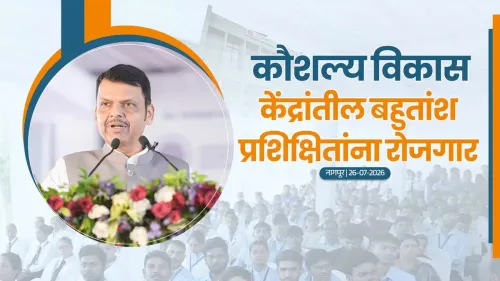
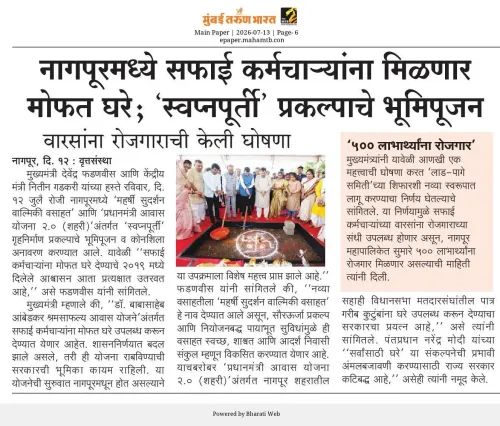
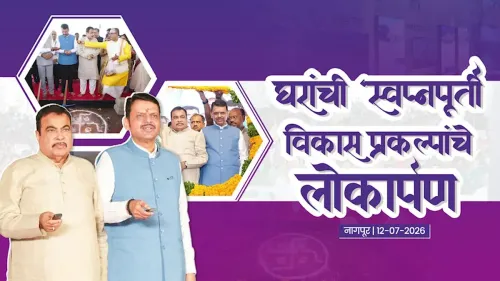
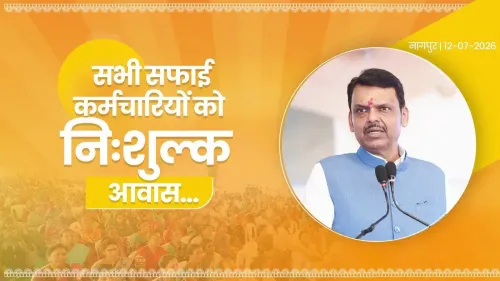
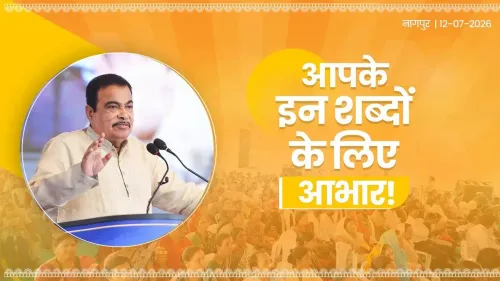
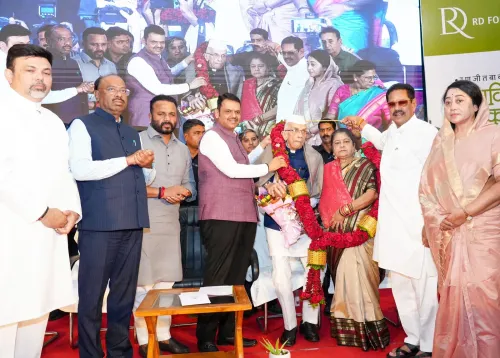
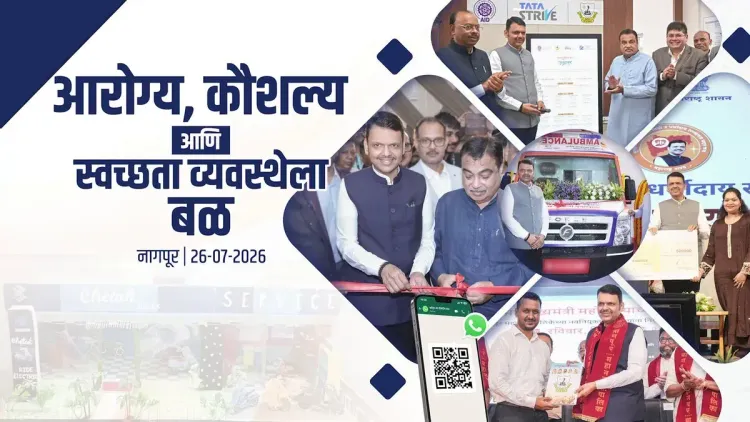
Maharashtra Chief Minister Devendra Fadnavis shared glimpses from a day-long programme in Nagpur on 26 July 2026 targeting healthcare, employment, skill development, and sanitation as part of the state's inclusive and sustainable development agenda.
Key Takeaways
CM Devendra Fadnavis conducted a multi-sector engagement day in Nagpur on 26 July 2026 .
The day's focus spanned four sectors: healthcare, employment, skill development, and sanitation .
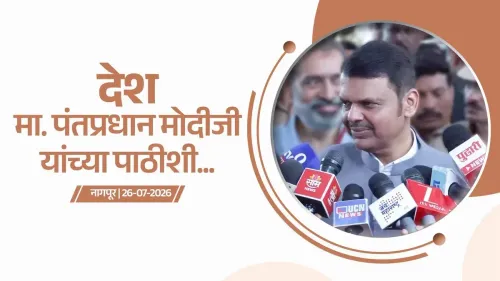
Five videos were shared documenting the day's activities, indicating multiple programme interactions.
Nagpur , the winter capital of Maharashtra, is a recurring pilot site for Vidarbha-region development initiatives.
The engagements align with national schemes including Swachh Bharat Mission , Skill India , and Ayushman Bharat .
Follow-up policy action is expected to be tracked through Maharashtra's upcoming monsoon legislative session.
Maharashtra Chief Minister Devendra Fadnavis on Monday, 27 July 2026 shared highlights from a day of engagements in Nagpur centred on healthcare, employment, skill development, and sanitation — sectors the state government has identified as pillars of inclusive and sustainable development.
Posting on X, Fadnavis described the day's activities as 'glimpses' from efforts aimed at 'आरोग्य, रोजगार, कौशल्य आणि स्वच्छता' (healthcare, employment, skills, and sanitation), adding that the work was oriented toward 'सर्वसमावेशक व शाश्वत विकास' — inclusive and sustainable development. The post, dated 26 July 2026 in reference to the day's events, was accompanied by five videos documenting the day's programme in Nagpur.
Context
Nagpur, the winter capital of Maharashtra and the administrative and commercial heart of the Vidarbha region, has frequently served as a focal point for state-level governance initiatives. The city holds particular significance for Fadnavis, who represents the Nagpur South West assembly constituency and has long championed development programmes in the region.
The four sectors highlighted — health, employment, skills, and sanitation — reflect a convergence approach that state governments across India have adopted to address multi-dimensional poverty and regional development gaps. Vidarbha, historically lagging behind western Maharashtra in economic indicators, has been a repeated target for such integrated drives.
Policy Backdrop
The activities in Nagpur align with a cluster of central and state-level schemes that have shaped Maharashtra's social infrastructure over the past decade. The Swachh Bharat Mission, launched in 2014, set a national framework for sanitation improvement that Maharashtra has built upon through its own urban and rural clean-up drives.
On the skills and employment front, the Skill India Mission (launched 2015) provided a national architecture for vocational training that Maharashtra has supplemented with state-specific programmes targeting youth in regions like Vidarbha. Healthcare access has been expanded through the Ayushman Bharat scheme (introduced 2018), which extended insurance coverage to economically vulnerable households — a demographic well represented in Nagpur's peri-urban and rural hinterland.
Fadnavis's current tenure continues a pattern visible in his earlier administrations: bundling health, livelihood, and sanitation interventions under a single sustainable-development narrative, particularly in the run-up to legislative sessions where budgetary allocations for these sectors come under scrutiny.
Stakeholders and Impact
The primary beneficiaries of the initiatives highlighted are Maharashtra's urban poor, job seekers, and rural households — groups that stand to gain most directly from improved healthcare access, cleaner public spaces, and expanded vocational training. In Vidarbha specifically, where agrarian distress has been a persistent concern, employment and skill programmes carry additional weight as diversification pathways away from farm dependence.
Local civic bodies, district health authorities, and skill-development centres in Nagpur are likely implementation partners for the ground-level activities referenced in the post. The multi-video documentation suggests a structured day of programme reviews, launches, or beneficiary interactions rather than a single event.
What's Next
Observers will watch for concrete announcements — budget allocations, scheme expansions, or legislative commitments — that translate the day's engagements into policy outcomes. Maharashtra's monsoon legislative session provides the nearest formal opportunity for the government to table follow-up measures on any of the four sectors highlighted. Progress on scheme rollouts in Nagpur and the broader Vidarbha region will serve as an early indicator of whether the 26 July engagements produce measurable on-ground change.
Point of View
Employment, skills, and sanitation under a single 'sustainable development' frame, the administration is consciously echoing the language of both central scheme branding and UN Sustainable Development Goals — a dual-audience pitch aimed at domestic voters and policy evaluators alike. The emphasis on Vidarbha is also politically deliberate; the region's historical grievances around underdevelopment have long been a pressure point for any Maharashtra government. Whether the day's engagements translate into measurable scheme outcomes or remain primarily communicative will be the real test of this governance moment.
NationPress
27 Jul 2026
Frequently Asked Questions
What did CM Devendra Fadnavis do in Nagpur on 26 July 2026?
CM Devendra Fadnavis spent 26 July 2026 in Nagpur engaged in programmes focused on healthcare, employment, skill development, and sanitation, sharing video highlights of the day on X.
Which schemes are linked to Maharashtra's healthcare and skill development push?
Maharashtra's efforts in these sectors connect to national programmes including Ayushman Bharat for healthcare coverage, Skill India Mission for vocational training, and Swachh Bharat Mission for sanitation infrastructure.
Why is Nagpur significant for Maharashtra's development programmes?
Nagpur is the winter capital of Maharashtra and the main urban centre of the Vidarbha region, which has historically lagged in economic development and is a priority area for state government interventions.
What is Devendra Fadnavis's connection to Nagpur?
Devendra Fadnavis represents the Nagpur South West assembly constituency and has consistently prioritised development projects in Nagpur and the wider Vidarbha region across his tenures as Chief Minister.
What should we watch for after Fadnavis's Nagpur engagements?
Key things to watch include any scheme launches, budget announcements, or legislative measures related to health, employment, skills, and sanitation that may emerge from Maharashtra's monsoon session following these engagements.