CM Fadnavis Hails Lok Sabha Passing Anti-Paper-Leak Bill

Synopsis
Maharashtra CM Devendra Fadnavis congratulated PM Narendra Modi as the Lok Sabha passed the Public Examinations (Prevention of Unfair Means) Amendment Bill, 2026, introducing fast-track courts, time-bound probes, and stricter punishments to eliminate paper leaks from India's competitive exam ecosystem.
Key Takeaways
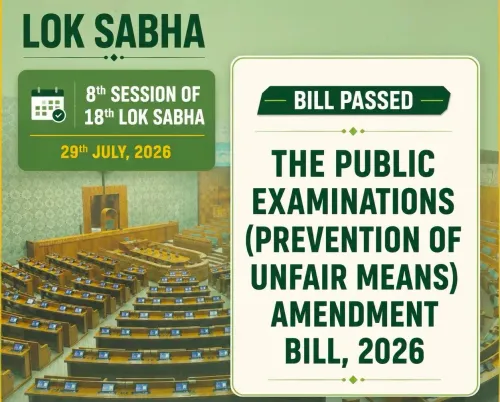
The Public Examinations (Prevention of Unfair Means) Amendment Bill, 2026 was passed in the Lok Sabha on 29 July 2026 during the Monsoon Session.
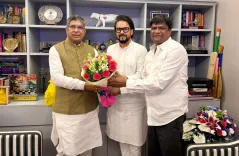
Maharashtra CM Devendra Fadnavis congratulated PM Narendra Modi and the NDA Government , and thanked all MPs and parties who supported the bill.
The bill mandates special fast-track courts , time-bound investigations , special public prosecutors , and an expedited appellate mechanism for paper-leak cases.
The 2026 amendment builds on the Public Examinations (Prevention of Unfair Means) Act, 2024 , adding sharper procedural enforcement to the existing framework.
Implementation of fast-track courts and dedicated prosecutors will be the key metric to watch in the coming months.
Millions of students who have watched their hard-earned futures dissolve overnight because of a leaked question paper now have a legislative shield. Maharashtra Chief Minister Devendra Fadnavis on Wednesday, 29 July 2026, welcomed the passage of the Public Examinations (Prevention of Unfair Means) Amendment Bill, 2026 in the Lok Sabha, calling it a decisive step toward restoring fairness in India's examination system.
Posting on X in both English and Marathi, Fadnavis congratulated Prime Minister Narendra Modi and the NDA Government, and extended appreciation to all Members of Parliament and political parties whose cross-aisle support carried the bill through. 'The NDA Government stands firmly with the students of India,' he wrote, 'committed to protecting merit, ensuring fairness and safeguarding the future of every deserving aspirant.'
What the Bill Actually Does to Cheats and Leakers
The amendment is not a statement of intent — it comes with teeth. Fadnavis outlined a five-pronged enforcement architecture: stricter punishments for those involved in paper leaks, special fast-track courts to prevent cases from rotting in the docket, time-bound investigations so evidence cannot go cold, special public prosecutors dedicated to exam-fraud cases, and an expedited appellate mechanism for swift final verdicts. The message is structural: slow justice has been the leak syndicate's greatest ally, and this bill is designed to take that away.
Building on the 2024 Foundation
The 2026 amendment does not arrive in a vacuum. It strengthens the Public Examinations (Prevention of Unfair Means) Act, 2024, which Parliament passed as the central government's first legislative response to a wave of high-profile exam scandals that shook public confidence in competitive recruitment and entrance processes. Two years on, the government is doubling down — signalling that the 2024 framework needed sharper procedural teeth to move from law on paper to convictions in court.
In Marathi, Fadnavis framed the moment with equal force — 'पेपर फुटीविरुद्ध झीरो टॉलरन्स' ('Zero Tolerance against Paper Leaks') — reinforcing that this is a political commitment, not just a legislative formality. His post tagged @narendramodi and the hashtags #LokSabha and #MonsoonSession, placing the development squarely in the record of the ongoing Monsoon Session of Parliament.
What Aspirants and Watchdogs Should Now Track
Legislation is the easy part. The real test will come when the fast-track courts are notified, prosecutors appointed, and the first major exam-fraud case lands before them. With several high-stakes national examinations scheduled in the months ahead, the speed at which the new machinery is operationalised will determine whether this bill becomes a genuine deterrent or another well-worded archive entry.
For the millions of students who sit competitive exams each year, the promise is clear. Whether the system delivers on it is the question that will define the bill's legacy.
Point of View
Suggesting a deliberate escalation strategy rather than a one-off response. By adding procedural infrastructure — fast-track courts, dedicated prosecutors, appellate speed — to the penal framework of 2024, the Centre is acknowledging that conviction rates, not just penalty clauses, are what deter organised leak syndicates. For Fadnavis, publicly endorsing the bill in both English and Marathi is also a signal to Maharashtra's vast competitive-exam community — a constituency that proved politically salient after the 2024 exam controversies. The real political dividend, however, will only materialise if the courts and prosecutors are operationalised before the next major exam cycle.
NationPress
29 Jul 2026
Frequently Asked Questions
What is the Public Examinations (Prevention of Unfair Means) Amendment Bill 2026?
It is a bill passed in the Lok Sabha on 29 July 2026 that strengthens India's anti-paper-leak law by introducing special fast-track courts, time-bound investigations, dedicated public prosecutors, stricter punishments, and an expedited appellate mechanism for exam-fraud cases.
What did CM Devendra Fadnavis say about the anti-paper-leak bill?
Maharashtra Chief Minister Devendra Fadnavis congratulated PM Narendra Modi and the NDA Government, saying the bill marks a 'decisive step' toward protecting merit and ensuring fairness for every deserving student, while promising swift and severe consequences for those involved in paper leaks.
How does the 2026 amendment differ from the 2024 exam law?
The Public Examinations (Prevention of Unfair Means) Act, 2024 established the base legislative framework against exam malpractice. The 2026 amendment adds procedural teeth — fast-track courts, time-bound probes, and special prosecutors — to speed up prosecution and conviction.
Will there be fast-track courts for paper leak cases in India?
Yes. The 2026 amendment bill specifically provides for special fast-track courts dedicated to paper-leak and exam-fraud cases, aimed at ensuring swift adjudication rather than prolonged trials.
Which session of Parliament passed the anti-paper-leak bill in 2026?
The Public Examinations (Prevention of Unfair Means) Amendment Bill, 2026 was passed in the Lok Sabha during the Monsoon Session of Parliament on 29 July 2026.