CM Fadnavis Honours Ashok Singhal at Nagpur Birth Centenary
Synopsis
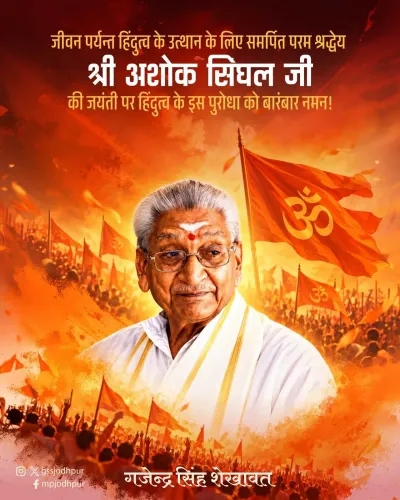
Maharashtra CM Devendra Fadnavis and Union Minister Nitin Gadkari paid tribute to late VHP leader Ashok Singhal at a birth centenary 'Shri Ram Katha' event in Nagpur, crediting him with organising the Ram Janmabhoomi movement and uniting diverse Hindu traditions under one platform.
Key Takeaways
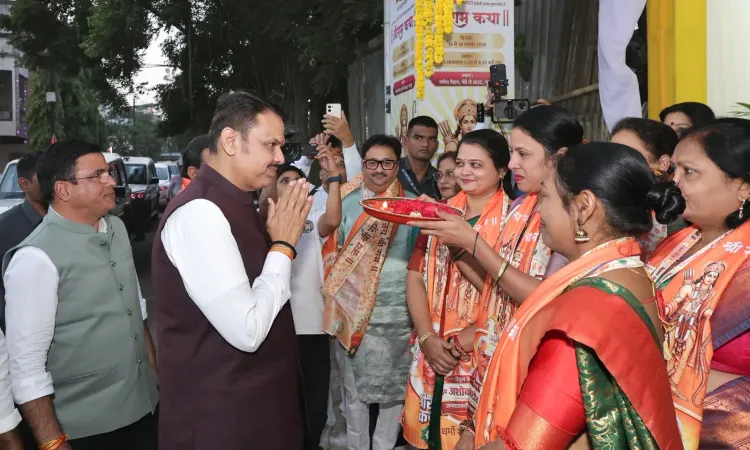
CM Devendra Fadnavis and Union Minister Nitin Gadkari attended the Ashok Singhal birth centenary 'Shri Ram Katha' programme in Nagpur on 14 November 2026 .
Fadnavis credited Singhal with giving the Ram Janmabhoomi movement organisational structure and a nationwide character, uniting diverse Hindu sects under one platform.
The 1984 Dharm Sansad convened by the VHP — with Singhal playing a key role — passed the formal resolution to build a Ram temple at Ayodhya.
The Ayodhya Ram Temple was inaugurated on 22 January 2024 under Prime Minister Narendra Modi, a milestone Fadnavis linked directly to Singhal's legacy.
Padma Bhushan Sadhvi Ritambhara , a prominent figure of the Ram Janmabhoomi agitation, was present at the Nagpur event alongside state and national political leaders.
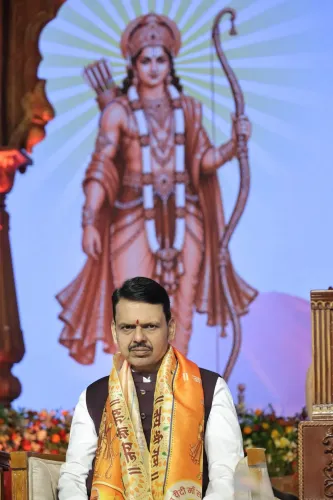
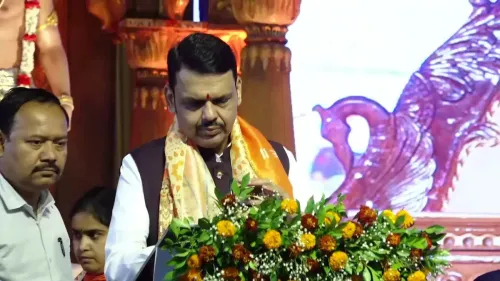
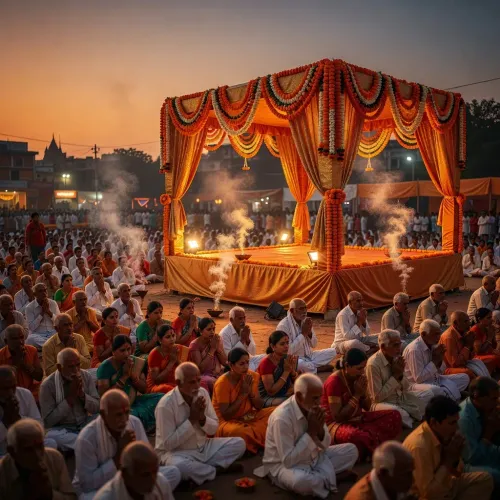
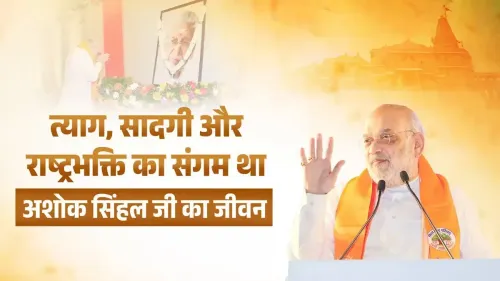
Forty years after a historic assembly in 1984 set the Ram temple movement on its organised course, Maharashtra Chief Minister Devendra Fadnavis and Union Minister Nitin Gadkari stood in Nagpur on 14 November 2026 to remember the man who made that assembly possible — Ashok Singhal, former international president of the Vishva Hindu Parishad (VHP), whose birth centenary year is being marked across the country.
The 1984 Dharm Sansad and Singhal's organising vision
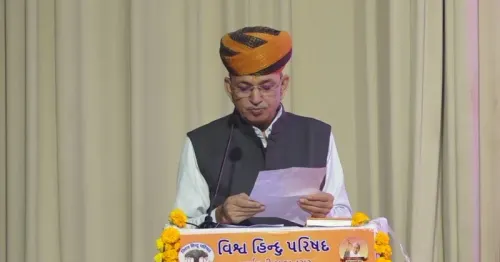
The centrepiece of Saturday's 'Shri Ram Katha' programme was a reckoning with history. CM Fadnavis recalled how Singhal convened the 1984 Dharm Sansad — a parliament of saints and religious heads drawn from diverse Hindu traditions — and secured a formal resolution to construct a Ram temple at Ayodhya. Bringing together figures from competing sects and schools of thought under a single platform, Fadnavis said, was 'a great challenge' that Singhal met through sheer force of leadership.
The Chief Minister credited Singhal with giving the Ram Janmabhoomi agitation both organisational shape and a clear direction — transforming what had been a localised religious aspiration into a nationwide movement. 'रामजन्मभूमी आंदोलनाला संघटित स्वरूप आणि निश्चित दिशा देण्याचे काम त्यांनी केले' ['He gave the Ram Janmabhoomi movement an organised form and a definite direction'], Fadnavis said, addressing the gathering.
From agitation to Ayodhya's consecrated temple
Fadnavis drew a direct line from Singhal's decades of mobilisation to the moment on 22 January 2024 when Prime Minister Narendra Modi inaugurated the Ram Temple at Ayodhya — the culmination of a campaign that spanned four decades and multiple legal and political battles. 'His leadership and struggle were pivotal in the journey from directing the Ram Janmabhoomi movement to the realisation of the grand temple at Ayodhya,' the Chief Minister said.
Fadnavis also offered a personal note: he counted it among his 'fortunes' to have participated in the Ram temple movement and to have seen Singhal and Sadhvi Ritambhara — the Padma Bhushan-honoured religious leader present at the Nagpur event — in person. It was a rare moment of biographical candour from a sitting Chief Minister at a public commemoration.
Unity across sects — Singhal's enduring idea
Beyond the temple, Fadnavis highlighted what he described as Singhal's deeper philosophical contribution: the insistence that diversity of sect, thought, and worship practice within Hindu society must never harden into division. 'There can be many sects, thoughts, opinions, and modes of worship in Hindu society; but there must be no discrimination — the feeling of unity must endure,' Fadnavis quoted as Singhal's core message.
The event was also attended by State Minister Adv. Ashish Jaiswal, MLA Kirtikumar (Bunty) Bhangadia, and Padma Bhushan Didi Maa Sadhvi Ritambhara, among other dignitaries — a cross-section of political and religious Maharashtra gathered in Nagpur, the city that has long been a nerve centre of the VHP's organisational network.
With the Ayodhya temple now standing and Singhal's centenary providing a fresh occasion for reflection, the BJP governments of Maharashtra are ensuring that the movement's architects remain woven into public memory — not just as historical figures, but as living reference points for a political and cultural project still very much in motion.
Point of View
The party signals continuity between the movement era and the current dispensation. The invocation of Singhal's unity message also serves a present-day function: framing Hindu consolidation as a philosophical ideal rather than a political strategy. With centenary events likely to continue through the year, this commemoration is less a conclusion than an opening act.
NationPress
14 Nov 2026
Frequently Asked Questions
Who was Ashok Singhal?
Ashok Singhal was the former international president of the Vishva Hindu Parishad (VHP) and a central organiser of the Ram Janmabhoomi movement, credited with convening the 1984 Dharm Sansad that formally resolved to build a Ram temple at Ayodhya.
Why was an event held for Ashok Singhal in Nagpur in 2026?
The Nagpur event marked Ashok Singhal's birth centenary year, commemorating his contributions to the Ram Janmabhoomi movement through a 'Shri Ram Katha' programme attended by CM Devendra Fadnavis and Union Minister Nitin Gadkari.
What was the 1984 Dharm Sansad organised by VHP?
The 1984 Dharm Sansad was a gathering of saints and religious leaders from diverse Hindu traditions convened by the VHP, where a formal resolution was passed to construct a Ram temple at Ayodhya — an event Ashok Singhal helped organise.
When was the Ayodhya Ram Temple inaugurated?
The Ram Temple at Ayodhya was inaugurated on 22 January 2024 by Prime Minister Narendra Modi, decades after the movement Ashok Singhal helped lead.
Who else attended the Ashok Singhal centenary event in Nagpur?
Besides CM Fadnavis and Union Minister Gadkari, the event was attended by State Minister Adv. Ashish Jaiswal, MLA Kirtikumar (Bunty) Bhangadia, and Padma Bhushan Didi Maa Sadhvi Ritambhara.