CM Fadnavis Honours Nirmal Wari, Charan Seva Contributors at Pandharpur
Synopsis
Chief Minister Devendra Fadnavis felicitated service organisations, NGOs, and administrative officers at Pandharpur on 24 July 2026 for successfully implementing the Nirmal Wari sanitation drive and the Charan Seva medical assistance programme during the annual Wari pilgrimage season.
Key Takeaways
CM Devendra Fadnavis held a felicitation ceremony at Pandharpur on 24 July 2026 for Wari-welfare contributors.
Nirmal Wari , a cleanliness and sanitation initiative, is run by the Gram Vikas and Panchayat Raj Department during the annual pilgrimage.
Charan Seva is a medical assistance programme operated by the Chief Minister's Medical Assistance Cell to support pilgrims.
Service organisations, NGOs, and administrative officers were jointly honoured for their ground-level implementation roles.
The initiatives are part of Maharashtra's established practice of deploying coordinated health and sanitation measures at the Pandharpur Wari .
The event signals the state's intent to sustain and potentially expand these models to other major religious gatherings.
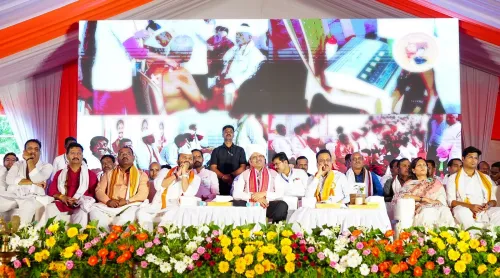
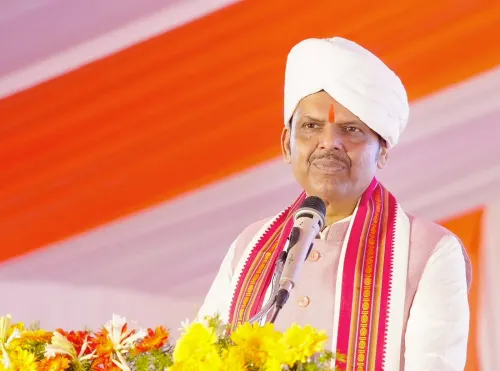
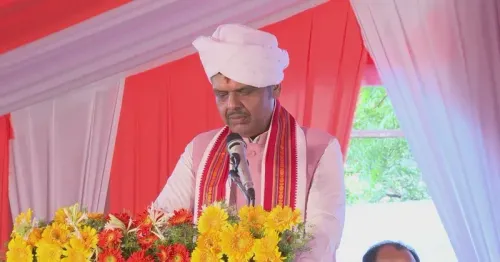
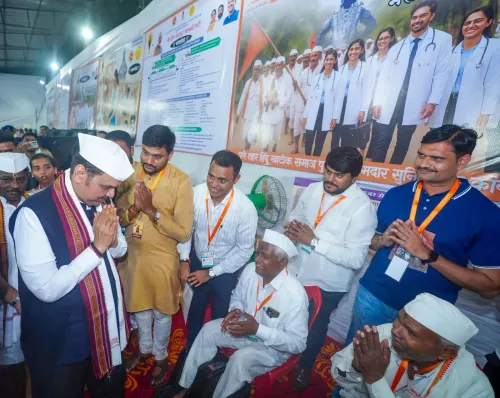
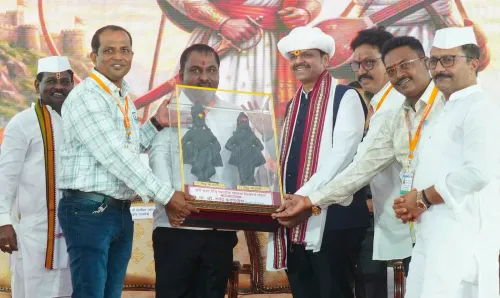
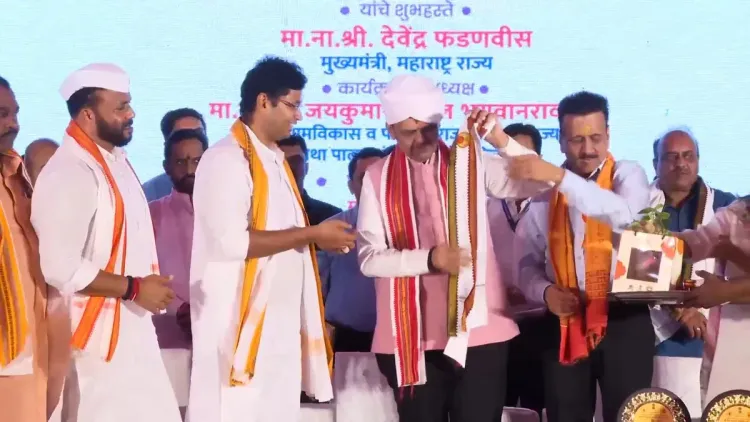
Chief Minister Devendra Fadnavis on Friday, 24 July 2026, honoured service organisations, administrative officers, and other dignitaries at Pandharpur for their contribution to the successful implementation of two key pilgrim-welfare initiatives — Nirmal Wari and Charan Seva — run during the annual Wari season.
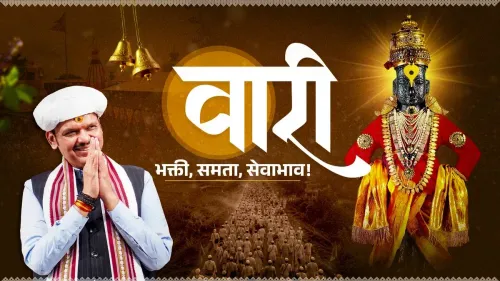
The Chief Minister's Office of Maharashtra shared the event on X, quoting the Marathi verse 'कांहीं न करिजे ते तुझी सेवा । कांहीं नव्हेसि तें तूं देवा' ('What is done without effort is your service; what is nothing is you, O God'), underscoring the spirit of selfless service that the felicitation sought to celebrate.
Context
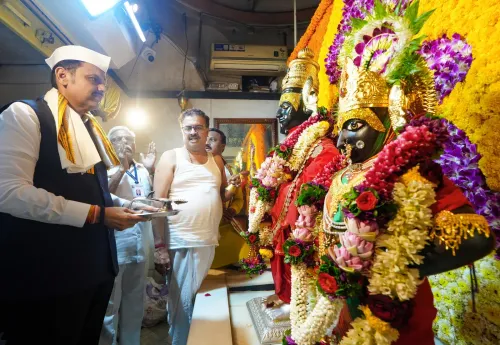
Pandharpur, located in Solapur district, is one of Maharashtra's most significant pilgrimage centres, drawing lakhs of warkaris (devotees) every year for the Wari dedicated to the deity Vitthal. Managing the health, sanitation, and safety of this massive congregation demands coordinated effort from government departments, local administration, and voluntary organisations alike.
The felicitation ceremony at Pandharpur recognised the collective effort that went into delivering these services on the ground during the 2026 Wari season.
Policy Backdrop
Nirmal Wari is a cleanliness and sanitation programme operated by Maharashtra's Gram Vikas and Panchayat Raj Department, designed to maintain hygiene standards along the pilgrimage route and at the main congregation site in Pandharpur. The initiative is part of a broader state-level push to integrate rural sanitation goals with large public gatherings.
Charan Seva, run by the Chief Minister's Medical Assistance Cell, provides on-ground medical support to pilgrims — including first aid, referral services, and health camps — ensuring that vulnerable devotees receive timely care during the physically demanding pilgrimage. Maharashtra governments have run similar sanitation and health-camp programmes for the Pandharpur Wari in earlier years, making these initiatives part of an established governance tradition.
Stakeholders and Impact
The beneficiaries of both schemes are the lakhs of warkaris who undertake the Wari each year, many of them elderly or from economically weaker backgrounds. Service organisations and NGOs that partnered with the state government played a front-line role in implementing Nirmal Wari and Charan Seva, and Friday's ceremony was a formal acknowledgement of that contribution.
Administrative officers from the Gram Vikas and Panchayat Raj Department and other departments were also felicitated, reflecting the government's emphasis on recognising bureaucratic effort in delivering citizen-facing programmes at scale.
What's Next
The recognition event signals that the state government intends to sustain and possibly expand these models in coming Wari seasons. Analysts watching Maharashtra's rural governance will look for implementation reports, coverage data, and any extension of the Nirmal Wari or Charan Seva frameworks to other major religious gatherings across the state.
With the Gram Vikas and Panchayat Raj Department now publicly credited for Nirmal Wari's success, the department is likely to face expectations of replicating this model at a larger scale — potentially integrating it with national sanitation missions at pilgrimage sites.
Point of View
Not an afterthought. By publicly recognising NGOs alongside bureaucrats, the Chief Minister is reinforcing a public-private partnership model for pilgrimage management that Maharashtra has been quietly building over several Wari seasons. The dual focus on sanitation (Nirmal Wari) and healthcare (Charan Seva) mirrors the Centre's own convergence of Swachh Bharat goals with health outreach at mass events. If the state formalises performance benchmarks and scales these frameworks to other festivals, Pandharpur could become a template for pilgrimage governance across India.
NationPress
25 Jul 2026
Frequently Asked Questions
What is Nirmal Wari in Maharashtra?
Nirmal Wari is a cleanliness and sanitation programme run by Maharashtra's Gram Vikas and Panchayat Raj Department during the annual Pandharpur Wari pilgrimage to maintain hygiene standards along the route and at the main congregation site.
What is Charan Seva scheme Maharashtra?
Charan Seva is a medical assistance initiative operated by the Chief Minister's Medical Assistance Cell to provide first aid, health camps, and referral services to pilgrims during the Pandharpur Wari.
Why did CM Fadnavis visit Pandharpur on 24 July 2026?
CM Devendra Fadnavis visited Pandharpur on 24 July 2026 to felicitate service organisations, administrative officers, and other dignitaries who contributed to the successful implementation of Nirmal Wari and Charan Seva during the Wari season.
What is the Pandharpur Wari?
The Pandharpur Wari is an annual pilgrimage to the Vitthal temple in Pandharpur, Solapur district, drawing lakhs of devotees called warkaris from across Maharashtra and beyond.
Which department runs Nirmal Wari Maharashtra?
The Gram Vikas and Panchayat Raj Department of the Maharashtra government runs the Nirmal Wari programme focused on sanitation and cleanliness during the Pandharpur Wari pilgrimage.