CM Fadnavis inaugurates MWRRA anniversary seminar in Mumbai
Synopsis
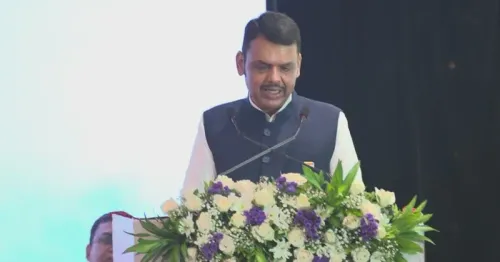
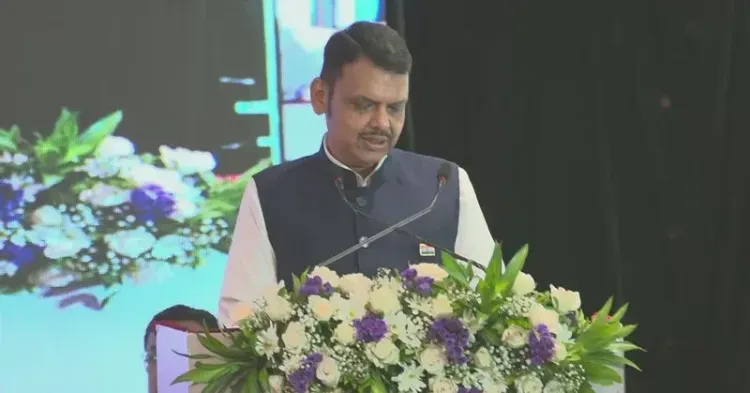
Chief Minister Devendra Fadnavis inaugurated a seminar and workshop in Mumbai on August 13, 2026, to mark the foundation day anniversary of the Maharashtra Water Resources Regulatory Authority, spotlighting the state's ongoing push to strengthen institutional water governance amid persistent scarcity challenges.
Key Takeaways
CM Devendra Fadnavis personally inaugurated the MWRRA foundation day seminar and workshop in Mumbai on August 13, 2026 .
The Maharashtra Water Resources Regulatory Authority (MWRRA) was established under the Maharashtra Water Resources Regulatory Authority Act, 2005 .
MWRRA's mandate covers water allocation, tariff-setting, and project approvals across Maharashtra's irrigation infrastructure.
Key stakeholders — including farmers and water user associations — are the primary constituencies affected by MWRRA's regulatory decisions.
Anniversary workshops serve as platforms to review regulatory performance and potentially signal upcoming tariff or policy changes.
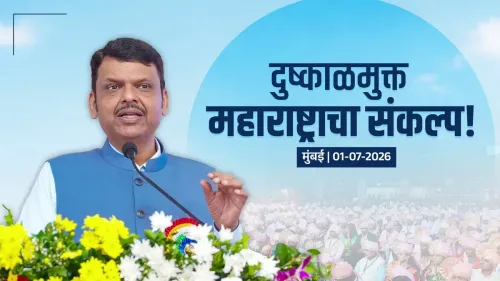
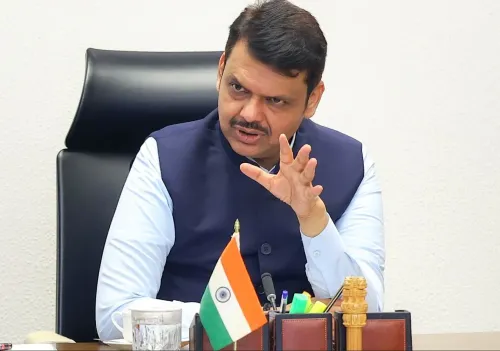
Water governance took centre stage in Mumbai on Thursday, August 13, 2026, as Maharashtra Chief Minister Devendra Fadnavis inaugurated a seminar and workshop marking the foundation day anniversary of the Maharashtra Water Resources Regulatory Authority (MWRRA) — the statutory body that referees how one of India's most water-stressed states allocates, prices, and manages its rivers and reservoirs.
MWRRA at the centre: what the authority actually does
Born out of the Maharashtra Water Resources Regulatory Authority Act, 2005, the MWRRA was designed to be an independent check on water allocation decisions across the state's sprawling irrigation infrastructure. Its mandate covers surface water and groundwater tariff-setting, project approvals, and coordination among competing users — from large sugarcane farmers in Vidarbha to municipal water boards serving Mumbai's millions.
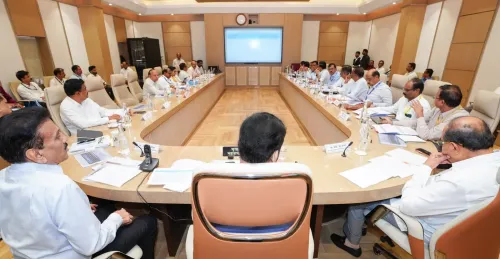
Anniversary events like this one are more than ceremonial. They function as structured review platforms where regulators, water user associations, and farming communities sit across the table to assess how well the authority's orders have translated into practice on the ground.
Fadnavis and Maharashtra's long water-reform arc
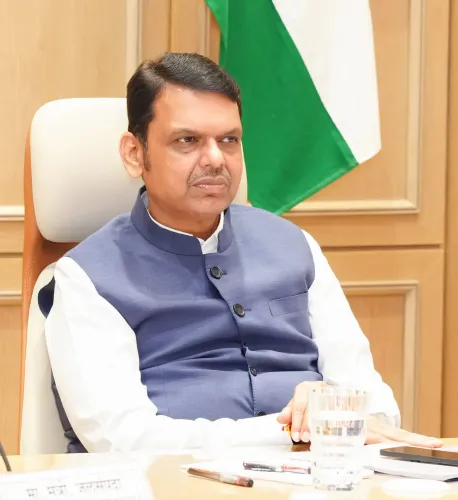
Chief Minister Devendra Fadnavis, who first held the office from 2014 to 2019 before returning to lead the state, has consistently positioned water sector governance as a priority in a state where drought declarations and inter-district water disputes are near-annual events. Maharashtra's investment in institutional water management — building the MWRRA as a credible regulator rather than a political clearinghouse — reflects a broader push to improve cost recovery in irrigation projects and reduce arbitrary allocation.
Farmers and water user associations, the two stakeholder groups with the most direct stake in MWRRA's decisions, are the constituencies watching today's workshop most closely. Any tariff revision signals or policy recommendations that emerge from the discussions could ripple into the next irrigation season.
What comes next from the workshop floor
The seminar format — combining a symposium with a hands-on workshop — suggests the agenda goes beyond anniversary speeches. Regulatory anniversaries in Maharashtra's water sector have previously been used to float draft tariff orders and invite stakeholder comment before formal gazette notification. Whether today's event produces a similar policy signal is the question to watch as proceedings conclude.
In a state where water is never just a resource but a political flashpoint, the Chief Minister's personal presence at MWRRA's foundation day sends a clear message: institutional water governance is not being left to run on autopilot.
Point of View
Not a technocratic afterthought. Maharashtra's water sector has long been a site of intense farmer-versus-industry-versus-municipal tension, and the MWRRA's credibility as an independent arbiter is central to managing that conflict. Strengthening the regulator's institutional standing ahead of any fresh tariff cycle is a calculated move: it gives the government political cover to enforce cost recovery while framing it as rule-of-law rather than policy choice. The broader pattern points to a state increasingly using institutional reform as a buffer against the electoral volatility that water disputes routinely generate.
NationPress
13 Aug 2026
Frequently Asked Questions
What is the Maharashtra Water Resources Regulatory Authority (MWRRA)?
The MWRRA is a statutory body created under the Maharashtra Water Resources Regulatory Authority Act, 2005, to independently regulate water allocation, tariffs, and project approvals for surface and groundwater across Maharashtra.
Why did CM Devendra Fadnavis inaugurate the MWRRA seminar?
CM Fadnavis inaugurated the seminar and workshop on August 13, 2026, to mark the MWRRA's foundation day anniversary, using the occasion to spotlight Maharashtra's commitment to institutional water governance.
Who are the main stakeholders affected by MWRRA decisions?
Farmers and water user associations are the primary stakeholders, as MWRRA's tariff orders and allocation decisions directly affect irrigation access and costs across Maharashtra's agricultural regions.
What outcomes can emerge from the MWRRA anniversary workshop?
Such workshops have historically been used to review regulatory performance, gather stakeholder feedback, and potentially signal upcoming tariff revisions or policy recommendations before formal notification.
What is Devendra Fadnavis's role in Maharashtra's water sector?
As Chief Minister — a position he has held since 2014, with a previous tenure from 2014 to 2019 — Fadnavis oversees state administration including water sector reforms, and has consistently prioritised strengthening Maharashtra's water governance institutions.