CM Fadnavis joins Diwali prayers with Nagpur farmers
Synopsis
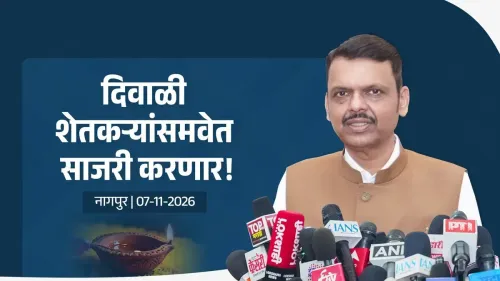
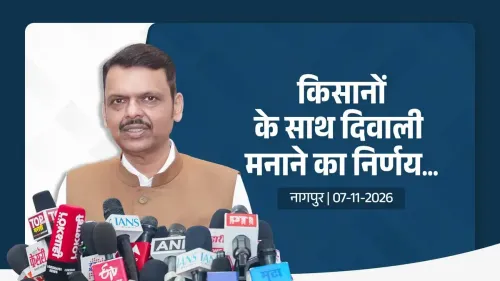
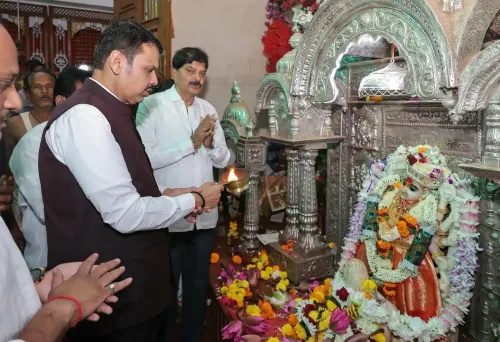
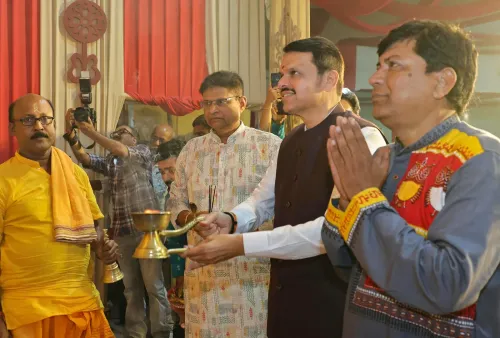
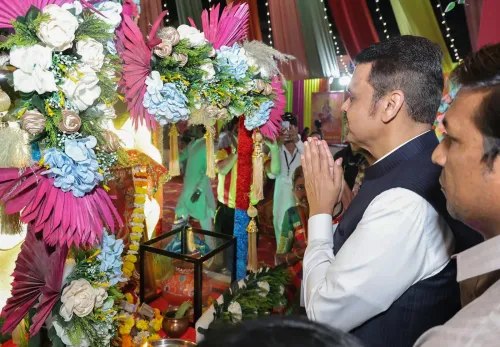
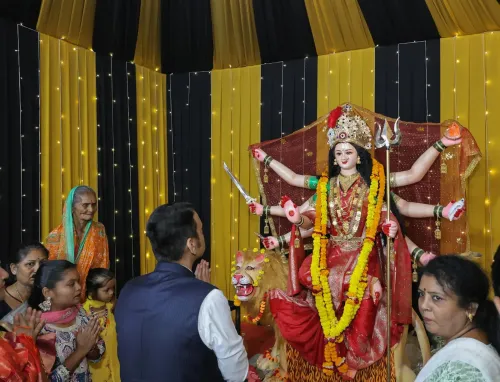
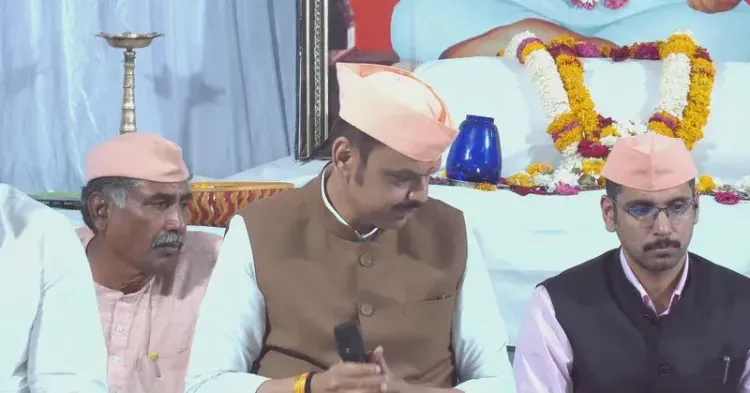
Maharashtra Chief Minister Devendra Fadnavis joined farmers at Lohari Sawanga, Nagpur, on 7 November 2026 for a live Diwali programme of collective prayer, devotional bhajans and the national anthem, broadcasting the event under the hashtag #DiwaliWithFarmers.
Key Takeaways
CM Devendra Fadnavis attended a Diwali event at Lohari Sawanga, Nagpur on the evening of 7 November 2026 .
The programme started at 8:08 PM and was broadcast live on X.
It featured collective prayer, bhajans , and the national anthem ( राष्ट्रवंदना ).
The event was explicitly framed as #DiwaliWithFarmers , signalling outreach to Maharashtra's agricultural community.
Nagpur is both Fadnavis's home constituency and the state's winter capital , lending the choice of venue additional significance.
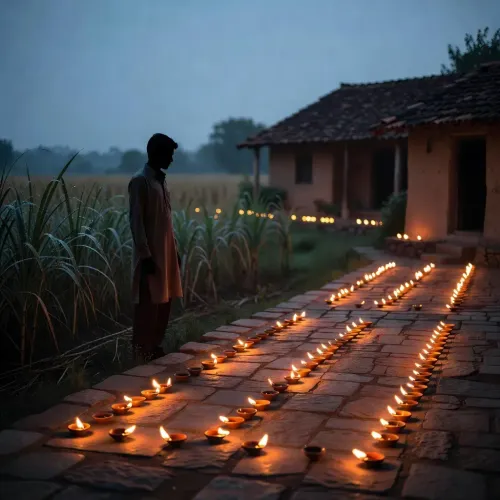
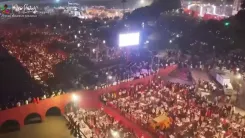
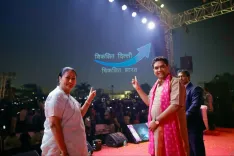
As lamps flickered across Maharashtra on the evening of 7 November 2026, Maharashtra Chief Minister Devendra Fadnavis was not in a banquet hall — he was in a field. The CM joined farmers at Lohari Sawanga, Nagpur, for a live community gathering of collective prayer, devotional bhajans, and the national anthem, beginning at 8:08 PM under the hashtag #DiwaliWithFarmers.
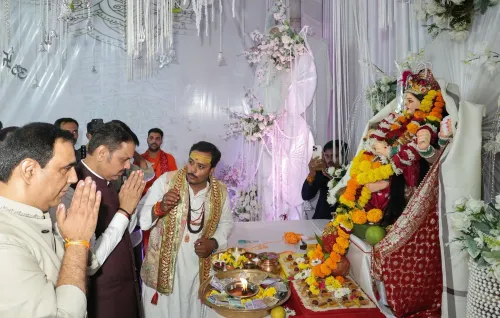
The event, broadcast live on X, blended the spiritual warmth of Diwali with a pointed gesture of outreach. सामूहिक प्रार्थना, भजन व राष्ट्रवंदना — collective prayer, devotional songs, and the national salute — were the three pillars of the programme, a format that fuses community religiosity with civic pride.
Nagpur's fields, not Mumbai's halls
Nagpur, Maharashtra's designated winter capital, sits at the geographic and agricultural heart of Vidarbha — a region long associated with agrarian stress. Choosing a rural Nagpur venue for a Diwali event carries unmistakable symbolism: the festival of lights, here, is shared with the people who grow the state's food. Fadnavis, who represents the Nagpur South West constituency, has historically maintained a strong connect with the region's rural base.
Diwali outreach as a governance signal
Indian chief ministers routinely participate in festival observances across districts, but framing one explicitly around farmers — with a dedicated hashtag and a live broadcast — sharpens the message beyond ceremony. The gathering follows a broader pattern of state leadership using religious and cultural occasions to reinforce grassroots presence, particularly with agricultural communities ahead of the winter legislative session in Nagpur.
The national anthem's inclusion alongside bhajans underscores the dual register of such events: devotional and patriotic, personal and political, village and state — all lit by the same lamp.
Point of View
Which is traditionally held in Nagpur. By branding the event #DiwaliWithFarmers and streaming it live, the CM converts a routine festival appearance into a visible policy signal for Vidarbha's agrarian constituency. The national anthem embedded within a devotional gathering also reflects the BJP's consistent strategy of merging cultural nationalism with community outreach. Whether substantive farmer-welfare announcements follow will determine how much political weight the symbolism can carry.
NationPress
7 Nov 2026
Frequently Asked Questions
Where did CM Fadnavis celebrate Diwali in 2026?
CM Devendra Fadnavis celebrated Diwali 2026 at Lohari Sawanga in Nagpur, joining local farmers for prayers, bhajans and the national anthem.
What is DiwaliWithFarmers?
#DiwaliWithFarmers is the hashtag used for a live Diwali event organised by CM Fadnavis at Lohari Sawanga, Nagpur, on 7 November 2026, emphasising farmer outreach during the festival.
Why does Fadnavis hold events in Nagpur?
Nagpur is both Fadnavis's home constituency and Maharashtra's winter capital, making it a politically and administratively significant venue for his public engagements.
What happened at the Lohari Sawanga Diwali programme?
The programme, which went live at 8:08 PM on 7 November 2026, included collective prayer, devotional bhajans, and the national anthem, broadcast live on X.
Why do Maharashtra chief ministers visit rural areas during Diwali?
Indian chief ministers regularly attend local festival observances in rural districts as part of grassroots outreach, particularly with farming communities who form a significant voter base.