CM Fadnavis Launches Bharat Taxi at Navi Mumbai Airport
Synopsis
Chief Minister Devendra Fadnavis inaugurated the Bharat Taxi service at Navi Mumbai International Airport on 23 July 2026, integrating organised last-mile ground transport with Maharashtra's new greenfield aviation hub and extending the state's regulated airport-mobility framework.
Key Takeaways
CM Devendra Fadnavis personally inaugurated the Bharat Taxi service at Navi Mumbai International Airport on 23 July 2026 .
Bharat Taxi is a state-supported organised taxi initiative aimed at providing structured last-mile connectivity for air passengers.
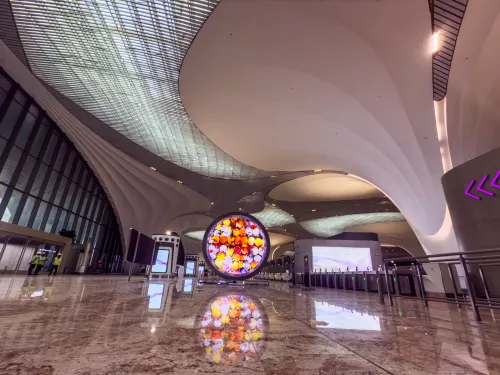
Navi Mumbai International Airport is a greenfield, public-private-partnership project built to relieve congestion at Mumbai's existing international airport.
The launch continues Maharashtra's policy of embedding regulated ground-transport solutions into airport infrastructure from the outset.
Taxi operators gain a formal, structured revenue stream linked to steady airport passenger traffic.
The rollout may expand to additional Maharashtra airports, with phased terminal openings at Navi Mumbai to follow.
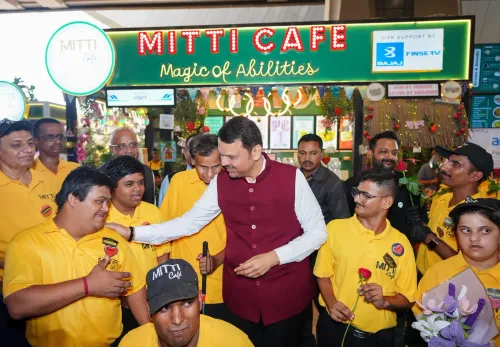
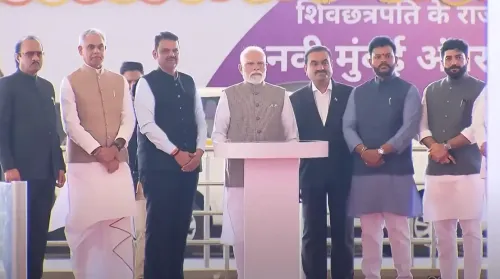
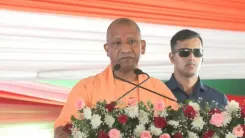
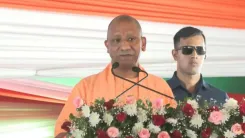
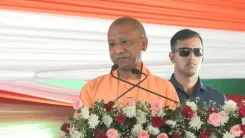
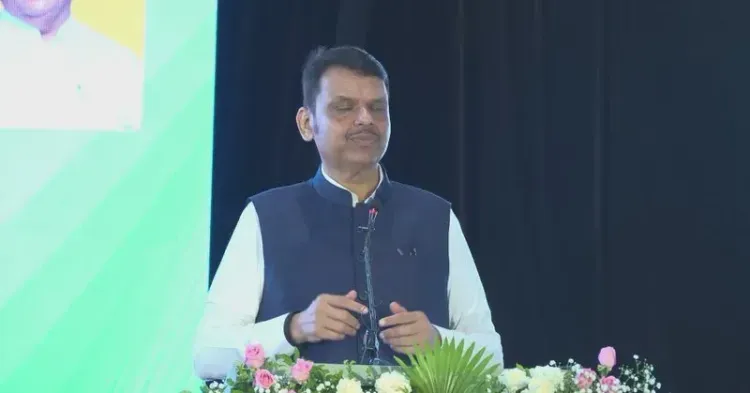
The Chief Minister's Office of Maharashtra announced on Thursday, 23 July 2026 that Chief Minister Devendra Fadnavis inaugurated the Bharat Taxi service at Navi Mumbai International Airport, marking a significant step in integrating organised ground transport with the greenfield aviation hub.
Context
The official post, shared live from the event, reads: 'मुख्यमंत्री देवेंद्र फडणवीस यांच्या हस्ते नवी मुंबई आंतरराष्ट्रीय विमानतळ येथे भारत टॅक्सी सेवेचा शुभारंभ' — 'Chief Minister Devendra Fadnavis inaugurates the Bharat Taxi service at Navi Mumbai International Airport.' The launch was broadcast live, signalling the government's intent to give the rollout high public visibility.
Bharat Taxi is a state-supported, organised taxi initiative designed to provide structured last-mile connectivity for air passengers arriving at or departing from major airports. Its launch at Navi Mumbai International Airport positions the service as a key component of the airport's passenger experience from the outset.
Policy Backdrop
Navi Mumbai International Airport is a greenfield project developed through a public-private partnership model, conceived to ease the chronic congestion at Mumbai's Chhatrapati Shivaji Maharaj International Airport. The project received critical impetus — including land acquisition momentum — during Fadnavis's earlier tenure as Chief Minister between 2015 and 2019.
Maharashtra has a precedent of coupling airport upgrades with formalised ground-transport regulation. The state introduced app-based and organised taxi frameworks at Mumbai Airport in the mid-2010s, and the Bharat Taxi launch follows that pattern of embedding regulated mobility solutions into new aviation infrastructure from day one.
Across India, several states have moved to formalise airport taxi ecosystems — replacing unregulated operators with metered, app-trackable, or government-affiliated fleets — as part of broader urban-mobility reforms tied to airport expansion programmes.
Stakeholders and Impact
Air passengers stand to benefit most immediately, gaining access to a regulated, predictable taxi option at what will be one of the Mumbai Metropolitan Region's two major international gateways. For taxi operators, formal enrolment under Bharat Taxi offers a structured revenue stream tied to steady airport footfall.
The launch also carries significance for the wider Navi Mumbai ecosystem — including planned commercial and residential zones around the airport — where reliable last-mile connectivity is a prerequisite for attracting investment and residents. Organised transport at the airport is expected to reduce informal-operator disputes, a persistent friction point at major Indian airports.
What's Next
Attention will now turn to the phased opening of Navi Mumbai International Airport's passenger terminals and whether the Bharat Taxi rollout expands to additional airports across Maharashtra. The government's ability to scale the service and maintain quality standards will determine whether this launch becomes a template for airport-linked mobility across the state.
For CM Fadnavis, the inauguration reinforces his administration's focus on completing and operationalising infrastructure projects in the Mumbai Metropolitan Region — a priority that has defined his political identity across multiple terms in office.
Point of View
Fadnavis ties his administration's credibility directly to the airport's progress, a project he championed during his first term. The move also reflects a wider Maharashtra playbook of pairing hard infrastructure with visible service-layer announcements to sustain public momentum. Whether Bharat Taxi can scale with the airport's eventual full-capacity operations will be the real test of this integration strategy.
NationPress
23 Jul 2026
Frequently Asked Questions
What is Bharat Taxi and where was it launched?
Bharat Taxi is a state-supported, organised taxi service providing last-mile connectivity for air passengers. It was launched at Navi Mumbai International Airport by Chief Minister Devendra Fadnavis on 23 July 2026.
What is Navi Mumbai International Airport?
Navi Mumbai International Airport is a greenfield airport developed through a public-private partnership to ease congestion at Mumbai's existing international airport and support the growth of the Mumbai Metropolitan Region.
Who inaugurated Bharat Taxi at Navi Mumbai Airport?
Maharashtra Chief Minister Devendra Fadnavis inaugurated the Bharat Taxi service at Navi Mumbai International Airport on 23 July 2026.
How does Bharat Taxi benefit passengers at Navi Mumbai Airport?
Bharat Taxi provides passengers with a regulated, organised taxi option, replacing informal operators and offering predictable, trackable ground transport from the airport.
Will Bharat Taxi be available at other Maharashtra airports?
The government has not officially confirmed an expansion timeline, but the Navi Mumbai launch is widely seen as a potential template for rolling out Bharat Taxi at additional airports across Maharashtra.