CM Fadnavis Launches Jalna Silk Market, Unveils 'Jalnai' Brand
Synopsis
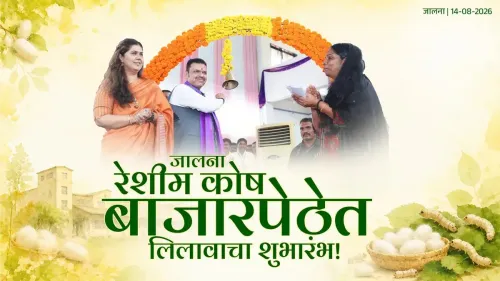
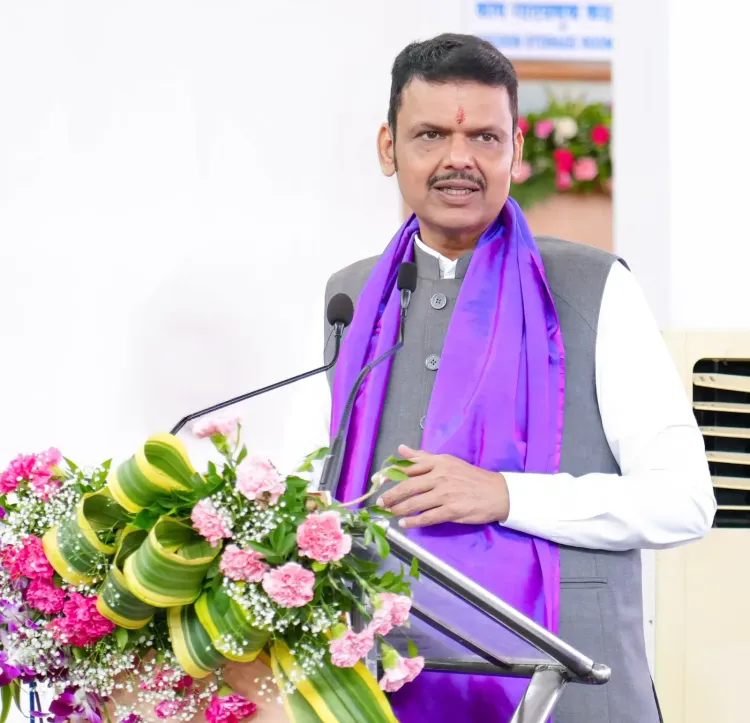
Chief Minister Devendra Fadnavis inaugurated Jalna's Silk Cocoon Market and unveiled the 'Jalnai' brand on 14 August 2026, declaring the Marathwada district a future national sericulture hub and calling for a full silk value chain — from farming to international export — built on local women's weaving skills.
Key Takeaways
Jalna Silk Cocoon Market was inaugurated by CM Devendra Fadnavis on 14 August 2026 , with the first auction drawing an encouraging response.
Fadnavis branded Jalna a 'Triple S City' — Silk, Seed, and Steel — signalling a formal economic identity shift for the Marathwada district.
The 'Jalnai' brand logo was unveiled to give Jalna's silk products a distinct market identity, explicitly modelled on the Paithani saree's global recognition.
Jalna's dry port will serve as the logistics gateway connecting silk producers to domestic and international buyers.
The government's plan covers the full value chain : cocoon farming, thread production, weaving, branding, and export — with women weavers already producing silk sarees locally.
Also inaugurated: a new Ambad police station building and seven new Primary Health Centre buildings across Jalna district.
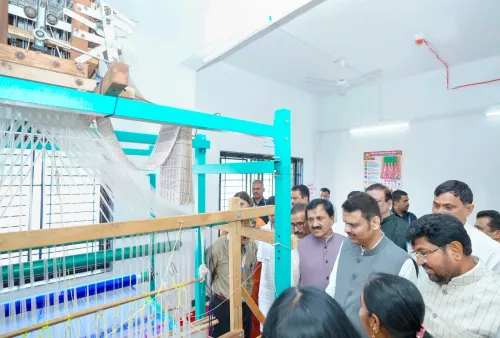
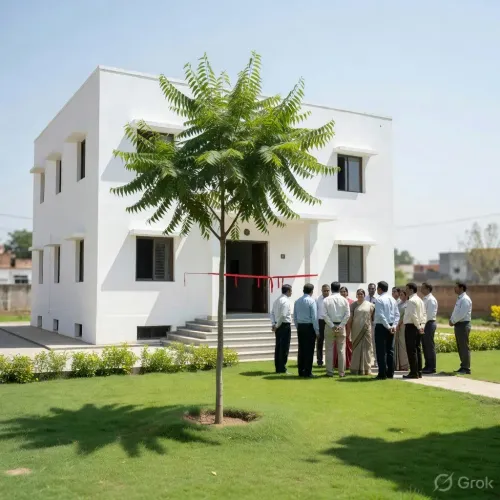
A district long defined by cotton and soybean fields is being handed a new identity — one woven in silk. Chief Minister Devendra Fadnavis inaugurated the Silk Cocoon Market building in Jalna district on 14 August 2026, declaring the Marathwada town a future hub of India's sericulture economy and unveiling a dedicated brand logo for its silk products under the name 'Jalnai'.
From Cotton Fields to Silk Looms: Jalna's 'Triple S' Pivot
Fadnavis framed the moment in sweeping terms. 'Jalna's identity has now been established as a Silk, Seed and Steel city — the Triple S City,' he said, positioning sericulture as the engine of a new district economy. The Chief Minister's Office of Maharashtra confirmed that alongside the cocoon market, the event also saw the inauguration of a new Ambad police station building and seven new Primary Health Centre buildings across the district.
The first auction held at the new silk market drew an encouraging response, Fadnavis noted, urging traders and associated agencies to ensure farmers receive the best possible prices for their produce. The market gives growers direct access to buyers — cutting out intermediaries in a supply chain that has historically squeezed smallholder margins.
Why Small Farmers Stand to Gain
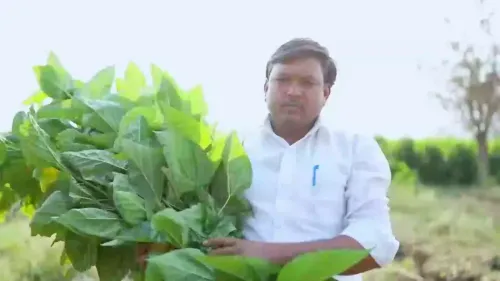
Marathwada's dependence on cotton and soybean has been a recurring pressure point — both crops are vulnerable to price swings and erratic monsoons. Fadnavis argued that silk farming offers a credible alternative, particularly for small landholders. 'Sericulture is an excellent option, and even marginal farmers have the opportunity to earn good income from it,' he said, calling for training programmes and digital tools to bring more farmers into the fold.
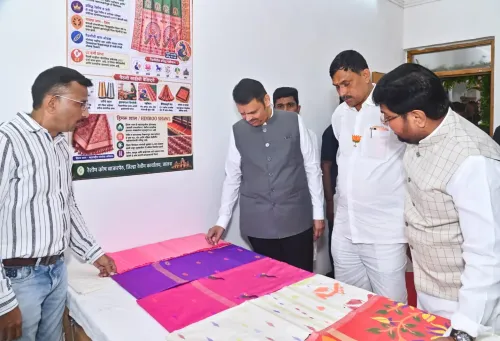
The government's stated ambition goes beyond raw cocoon production. Fadnavis outlined a full value chain — from cocoon to thread to fabric to saree weaving, branding, and market access — that the state intends to build within Jalna itself. Women weavers in the district have already begun producing silk sarees, and Fadnavis praised the quality of their work, promising skill development and market linkages to scale up output.
'Jalnai': Building the Next Paithani
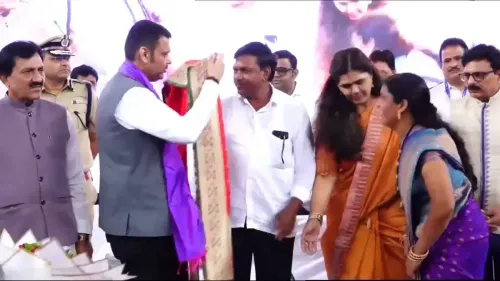
The headline announcement of the event was the 'Jalnai' brand — a dedicated identity for Jalna's silk products, modelled explicitly on the global recognition enjoyed by the Paithani saree. 'Just as the Paithani saree is world-famous, Jalna Silk will also be developed as a major brand at the international level on the strength of local women's skills,' Fadnavis declared, unveiling the brand logo at the event.
The ambition has an infrastructure anchor: Jalna's operational dry port now connects local producers to both domestic and international markets. Fadnavis invoked India's historic role as a silk-exporting nation and argued that facilities like the new cocoon market and the dry port are the foundation needed to reclaim that position. 'Once, India was a country that exported silk to the world. Now India must again make efforts to establish its place in the global silk market,' he said.
Who Was in the Room
The event was attended by Minister Pankaja Munde, Minister Sanjay Sawkare, and MLAs Babanrao Lonikar, Arjun Khotkar, Santosh Danve, Narayan Kuche, and Hikmat Udhan, signalling broad political backing for the district's industrial repositioning.
Jalna is being handed a blueprint — silk market, dry port, brand identity, and a training pipeline. Whether the 'Jalnai' label finds shelf space alongside Paithani in the world's textile markets is now the district's defining challenge to answer.
Point of View
Processing, branding, export) within a single district and tying it to an existing dry port, the state is attempting a model that goes beyond crop substitution into industrial cluster-building. The 'Jalnai' brand announcement is politically significant: it signals that the government is betting on geographical indication-style prestige, not just commodity output, to sustain farmer income. The real test will be whether subsequent silk auctions hold price discipline and whether the brand secures retail and export traction beyond the inaugural event.
NationPress
14 Aug 2026
Frequently Asked Questions
What is the Jalna Silk Cocoon Market?
The Jalna Silk Cocoon Market is a newly inaugurated trading facility in Jalna district, Maharashtra, where silk cocoon farmers can sell their produce directly to buyers through auctions, reducing dependence on intermediaries and improving price realisation.
What is the 'Jalnai' brand?
'Jalnai' is a dedicated silk brand unveiled by CM Devendra Fadnavis for silk products made in Jalna district. It is modelled on the global recognition of the Paithani saree and aims to give Jalna's silk textiles a distinct, internationally marketable identity.
Why is Jalna being called a Triple S City?
CM Fadnavis coined the 'Triple S City' label — standing for Silk, Seed, and Steel — to reflect Jalna's expanding economic base beyond its traditional agricultural identity, with sericulture now added alongside its seed industry and steel sector.
How does sericulture benefit small farmers in Marathwada?
Silk farming requires less land than cotton or soybean and can generate higher per-acre income, making it particularly suitable for marginal and small landholders. The new cocoon market also gives farmers direct market access, improving the prices they receive.
What role does Jalna's dry port play in the silk industry?
Jalna's operational dry port connects local silk producers to both domestic wholesale markets and international export channels, providing the logistics infrastructure needed to scale up sericulture output beyond local consumption.