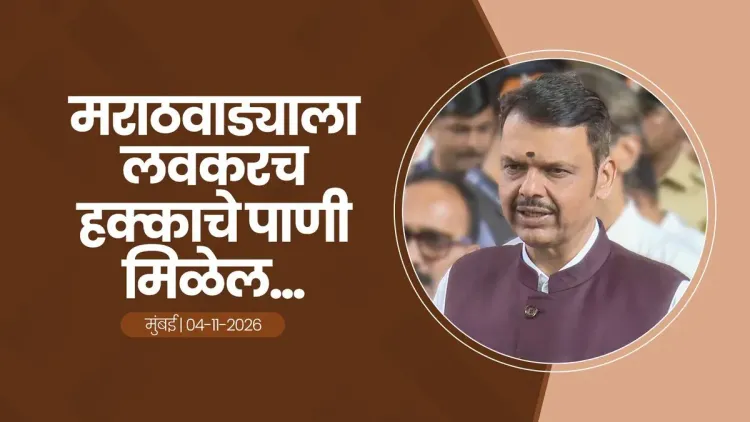
CM Fadnavis: Mahayuti govt solved Marathwada's water crisis
Synopsis
Maharashtra CM Devendra Fadnavis declared on November 4 that the Mahayuti government has resolved Marathwada's long-standing water crisis — a bold political claim about one of India's most drought-prone regions, backed by years of irrigation investment but short on specific metrics.
Key Takeaways
CM Devendra Fadnavis declared on November 4, 2026 that the Mahayuti government has resolved Marathwada 's water problem.
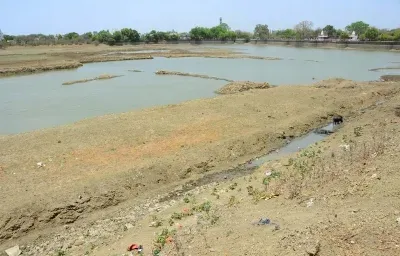
Marathwada — covering districts like Aurangabad, Jalna, Parbhani and Nanded — has faced chronic water scarcity for decades.
The Jalyukt Shivar Abhiyan , launched in 2015 under Fadnavis's first term, targeted water conservation in drought-prone villages including Marathwada.
Mahayuti , comprising BJP, Shinde Sena and Ajit Pawar's NCP , has governed Maharashtra since the political realignments of 2022 .
The post was bilingual — Marathi and Hindi — signalling outreach to both regional and national audiences.
No specific project data or completion metrics were cited in the post; the claim awaits independent verification.
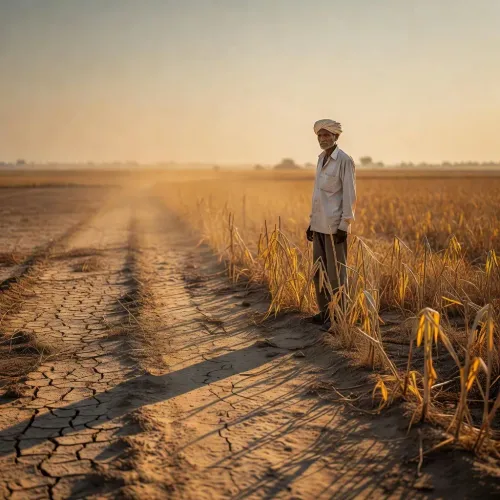
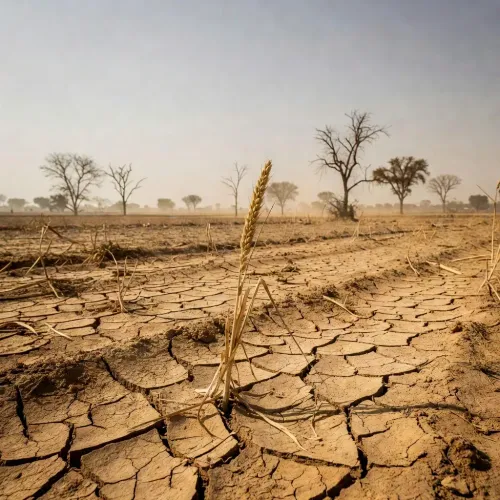
For decades, Marathwada's farmers watched crops wither while the rest of Maharashtra moved on. On Wednesday, November 4, 2026, Maharashtra Chief Minister Devendra Fadnavis declared on X that the Mahayuti government has resolved the region's long-standing water problem — a claim that lands with political weight in one of India's most drought-scarred landscapes.
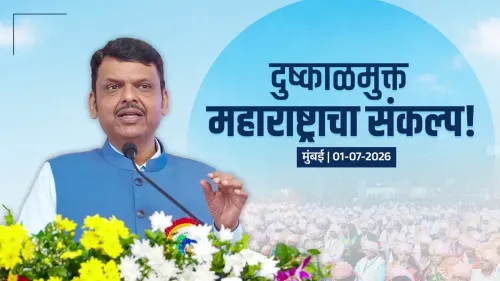
Posting from Mumbai, Fadnavis wrote in both Marathi and Hindi: 'महायुती सरकारनेच मराठवाड्याचा पाणी प्रश्न सोडवला' — 'It is the Mahayuti government that solved Marathwada's water problem.' The bilingual declaration signals a deliberate outreach to both Marathi-speaking locals and a broader Hindi-speaking national audience, underscoring the political stakes of the message.
Marathwada's water wound — decades in the making
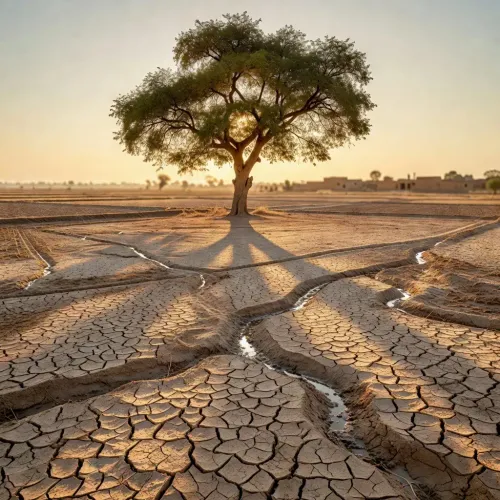
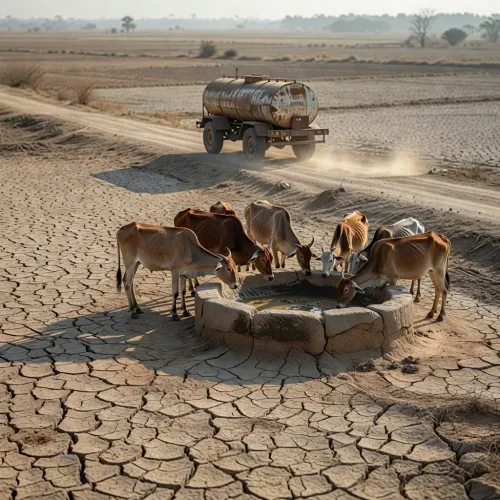
Marathwada, a region of roughly eight districts including Aurangabad, Jalna, Parbhani and Nanded, has historically been among Maharashtra's most water-stressed zones. The region sits in the rain shadow of the Western Ghats and depends heavily on the Godavari river basin for both drinking water and irrigation. Drought seasons here are not anomalies — they are cyclical realities that have driven farmer distress, migration and political grievance for generations. The gap between western Maharashtra, with its better-irrigated sugarcane belts, and the parched interiors of Marathwada has been a defining fault line of the state's development politics. Every government has promised to close it. Few have been seen to deliver.What the Mahayuti alliance brought to the table
The Mahayuti coalition — comprising BJP, Eknath Shinde-led Shiv Sena and Ajit Pawar-led NCP — has governed Maharashtra since the realignments of 2022. Fadnavis, who first served as Chief Minister from 2014 to 2019, has consistently anchored his developmental record on water infrastructure. His earlier government launched the Jalyukt Shivar Abhiyan in 2015, a large-scale programme to build water conservation structures in drought-prone villages, including those across Marathwada. Multiple irrigation projects tied to the Godavari basin have been pursued across successive governments, with Mahayuti claiming to have accelerated completions. Fadnavis's post does not cite specific projects, figures or completion milestones — it is a sweeping political assertion. The post also accompanies a video, suggesting a visual presentation of on-ground progress, though the specifics of that footage remain to be verified independently.A political claim with regional resonance
The timing and framing of the statement carry unmistakable political intent. Marathwada's water woes have long been weaponised by opposition parties to challenge the ruling dispensation, and a confident declaration of resolution — particularly in Marathi first — is a direct bid to claim credit with the region's voters. Whether the ground reality matches the assertion is a question that hydrologists, farmers' groups and state agencies will now be pressed to answer. What is clear is that for Marathwada's rural households and farming communities, water access is not a policy abstraction — it is survival. If the Mahayuti government's infrastructure push has genuinely shifted the needle on irrigation coverage and drinking water availability, it would mark a consequential, if long-overdue, turning point for eastern Maharashtra. The next monsoon season and post-rabi crop assessments will be the real verdict on whether the promise holds.Point of View
Water auditors and rival parties who will now scrutinise ground-level irrigation coverage and reservoir data against this claim.
NationPress
4 Nov 2026
Frequently Asked Questions
Has Marathwada's water crisis been solved?
CM Devendra Fadnavis declared on November 4, 2026 that the Mahayuti government has resolved Marathwada's water problem, but the post provides no specific project data or verified metrics to confirm the claim fully.
What is Mahayuti and which parties are in it?
Mahayuti is the ruling coalition in Maharashtra comprising the BJP, Eknath Shinde-led Shiv Sena, and Ajit Pawar-led NCP, formed following the political realignments of 2022.
What caused Marathwada's water scarcity?
Marathwada's chronic water scarcity stems from its rain-shadow geography, dependence on the Godavari river basin, and historically lower irrigation investment compared to western Maharashtra.
What is Jalyukt Shivar Abhiyan?
Jalyukt Shivar Abhiyan was a water conservation programme launched in 2015 under Fadnavis's first government to build water storage structures in drought-prone villages, including those in Marathwada.
Why is water such a big political issue in Marathwada?
Water scarcity in Marathwada has historically driven farmer distress, crop failures and rural migration, making irrigation access a defining political issue that every Maharashtra government has had to address.