CM Fadnavis marks 12 years of Make in India with manufacturing push
Synopsis
Maharashtra CM Devendra Fadnavis marked 12 years of Make in India on 25 September 2026, highlighting India's claimed 99.2% local mobile phone production and surging defence exports as proof that India has shifted from consumer to global manufacturer under PM Modi.
Key Takeaways
Make in India completed 12 years on 25 September 2026 , launched originally in September 2014 by PM Narendra Modi .
CM Fadnavis claimed 99.2% of mobile phones sold in India are now manufactured locally, up from near-zero domestic production in 2014.
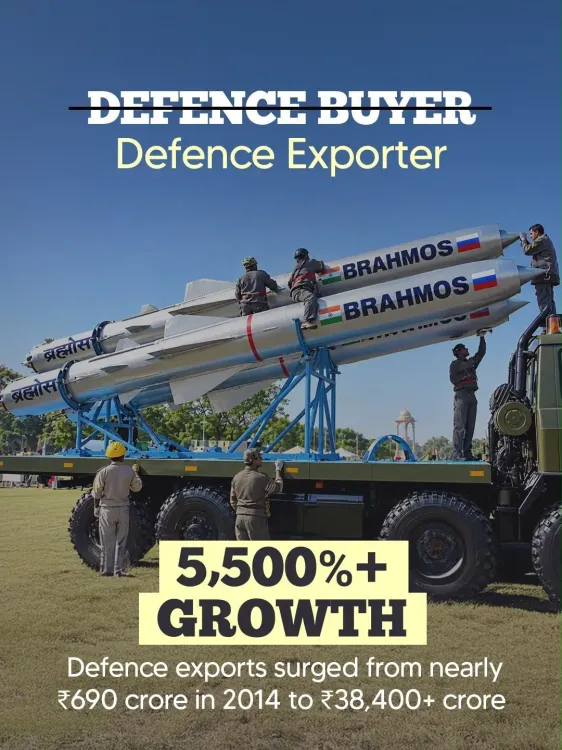
India has recorded a significant surge in defence exports , aided by the Atmanirbhar Bharat Abhiyan announced in May 2020 .
The Production Linked Incentive (PLI) scheme for electronics and defence has been central to driving domestic manufacturing and export capacity.
Maharashtra , with its automotive, aerospace, and defence industrial base, is a key state-level beneficiary of central manufacturing policies.
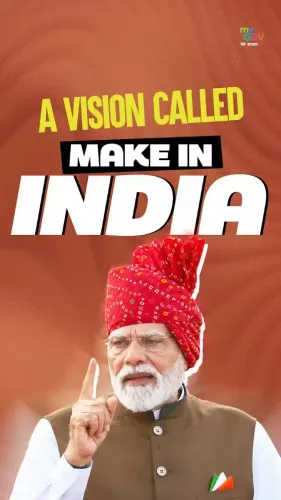
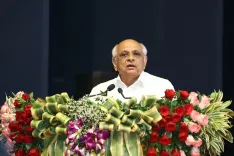
Twelve years after Prime Minister Narendra Modi unveiled the Make in India initiative, Maharashtra Chief Minister Devendra Fadnavis on Friday, 25 September 2026 declared that India has fundamentally shifted its identity — from a consuming nation to a creating, manufacturing, and exporting one.
From import-dependent to 99.2% local: the mobile phone story
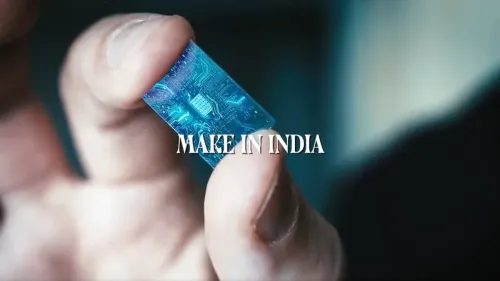
The centrepiece of Fadnavis's post is a striking claim about India's electronics transformation. He stated that 99.2% of mobile phones sold in India are now built locally — a complete reversal from the pre-2014 era when the country imported the vast majority of its handsets. The figure, if it holds, represents one of the most dramatic supply-chain domestications in recent manufacturing history. It reflects a deliberate policy arc: Make in India launched in September 2014 set the direction, and the Production Linked Incentive (PLI) scheme for mobile electronics provided the financial muscle to attract global assembly giants and nurture domestic component makers.
Defence exports and the Atmanirbhar pivot
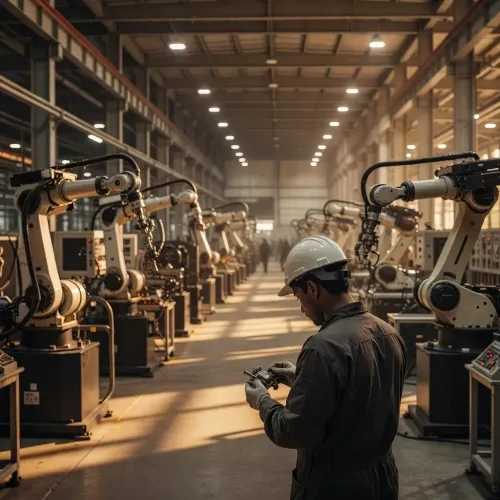
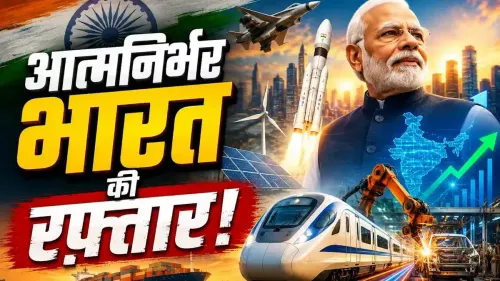
Alongside electronics, Fadnavis highlighted a 'massive surge' in defence exports — a sector that was, for decades, almost entirely import-reliant. The Atmanirbhar Bharat Abhiyan, announced in May 2020, formalised the self-reliance push with dedicated positive indigenisation lists that barred imports of specific defence items and pushed public and private manufacturers to fill the gap. The ripple effect has extended beyond hardware: shipbuilding, aerospace components, and military electronics have all been cited by the government as emerging export verticals.
The broader context matters here. Global supply chains have been in flux since the pandemic and geopolitical fractures of the early 2020s, and India has positioned itself as an alternative manufacturing node — particularly for buyers looking to diversify away from single-source dependencies.
Maharashtra's stake in the national manufacturing story
As Chief Minister of Maharashtra — which hosts some of India's densest industrial corridors, from Pune's auto clusters to Nagpur's aerospace and defence parks — Fadnavis has a direct political and economic stake in amplifying this narrative. The state has been a beneficiary of multiple PLI rounds and has pitched itself aggressively to semiconductor and electronics investors. For Fadnavis, the #12YearsOfMakeInIndia anniversary is both a national milestone and a local pitch.
The post, tagged at @narendramodi and @makeinindia, is clearly timed to the initiative's anniversary and serves as a signal of continued alignment between the Maharashtra government and the Centre's industrial agenda. The hashtags #AtmanirbharBharat and #MakeInIndia have trended on this date as BJP leaders across the country amplified the anniversary message in unison.
India's manufacturing ambitions are now measured not just in import substitution, but in export invoices. Whether the headline numbers get independently validated will matter — but the political momentum behind them is already shaping investment conversations and trade policy in real time.
Point of View
Not a slogan. The 99.2% mobile localisation figure, if verified, would be a genuine policy win that rivals South Korea's electronics self-sufficiency arc in compressed time. More broadly, this is part of a consistent Centre-state messaging strategy where BJP chief ministers reinforce the Prime Minister's economic narrative, creating a unified political brand around manufacturing nationalism. The signal for investors and trade partners is deliberate: India wants to be taken seriously as an export economy, not just a large domestic market.
NationPress
25 Sept 2026
Frequently Asked Questions
What is the Make in India initiative and when was it launched?
Make in India is a flagship government programme launched by Prime Minister Narendra Modi in September 2014 to encourage domestic manufacturing, attract foreign investment, and position India as a global production hub across sectors including electronics, defence, and automobiles.
What is Atmanirbhar Bharat and how does it relate to Make in India?
Atmanirbhar Bharat Abhiyan , announced in May 2020 , is a self-reliance initiative that builds on Make in India by pushing local production in strategic sectors. It introduced positive indigenisation lists in defence and backed PLI schemes that incentivise companies to manufacture in India rather than import.
Why did CM Devendra Fadnavis post about Make in India?
25 September 2026 marks 12 years since Make in India was launched. CM Fadnavis posted on X to mark the anniversary, citing achievements in mobile phone manufacturing and defence exports as evidence of India's manufacturing transformation under PM Modi .
Is it true that 99.2% of mobile phones in India are now made locally?
CM Fadnavis made this claim in his 25 September 2026 post. The figure reflects the government's stated target under PLI schemes for electronics. Independent verification of the precise figure is pending; the research background notes it as a recent claim that cannot be fully confirmed from established data.
How have India's defence exports changed under Make in India?
India's defence exports have grown significantly since 2014, accelerated by the Atmanirbhar Bharat programme which barred imports of listed defence items and pushed domestic manufacturers to fill the gap. The government has cited aerospace components, military hardware, and shipbuilding among the expanding export verticals.