Karnataka CMO honours sanitation workers on Pourakarmika Day 2026

Synopsis
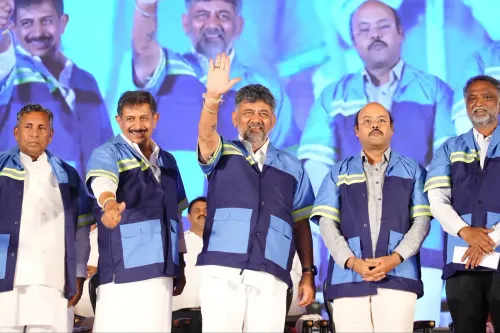
The Chief Minister's Office of Karnataka livestreamed the Pourakarmika Dinacharane 2026 on 25 September, publicly honouring the state's municipal sanitation workers — the 'cleanliness warriors' — as part of the broader Swachh Bharat worker-recognition framework.
Key Takeaways
The Chief Minister's Office of Karnataka livestreamed Pourakarmika Dinacharane 2026 on 25 September 2026 , honouring municipal sanitation workers.
Pourakarmikas are civic sanitation staff employed by urban local bodies across Karnataka who handle garbage collection, road sweeping, and drain maintenance.
The CMO described the workers as 'Swachhataa Yodharu' — cleanliness warriors — reflecting a dignity-centred official framing.
The event connects to the national Swachh Bharat Mission , launched on 2 October 2014 , which links worker welfare to urban sanitation outcomes.
Many Pourakarmikas remain on contractual or daily-wage terms; follow-up welfare announcements in Karnataka's budget or urban-development programmes will be the real measure of the tribute.
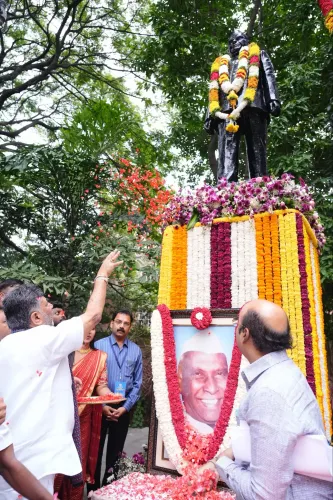
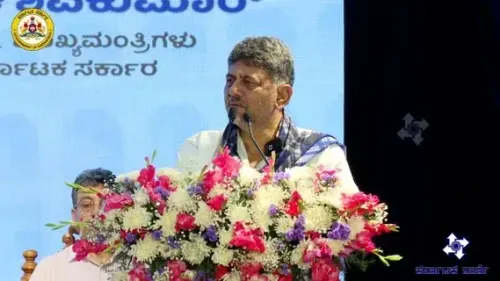
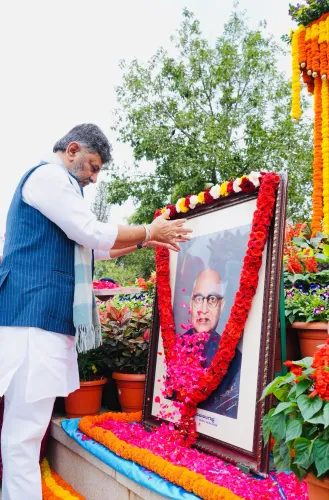
They wake before the city does, clearing the streets so millions can step out into a clean morning — and on Friday, 25 September 2026, the Chief Minister's Office of Karnataka turned the spotlight squarely on them. The CMO livestreamed the Pourakarmika Dinacharane 2026 — Karnataka's annual civic sanitation workers' day — on YouTube, broadcasting the tribute to the state's swachhataa yodharu (cleanliness warriors) to a public audience across the state.
Who are Pourakarmikas and why Karnataka celebrates them
Pourakarmikas are the municipal sanitation workers employed by urban local bodies across Karnataka — the men and women who sweep roads, collect garbage, clear drains, and maintain the basic cleanliness infrastructure of every town and city. Largely drawn from marginalised communities, they are among the least-visible yet most essential workers in urban public life.
State governments across India have periodically organised formal recognition events for sanitation staff, positioning worker welfare as inseparable from broader urban-cleanliness goals. Karnataka's annual Pourakarmika Dinacharane is one such institutionalised tribute, bringing civic workers into the public frame rather than leaving their labour unacknowledged.
Swachh Bharat's unfinished human chapter
The national Swachh Bharat Mission, launched on 2 October 2014, set out to eliminate open defecation and overhaul solid-waste management in cities and villages. A decade on, the mission's metrics have improved on paper — but advocates have long argued that the human infrastructure behind those numbers, the workers hauling, sweeping, and processing waste daily, deserves welfare protections that have lagged behind the headline targets.
Events like today's livestreamed ceremony serve a dual purpose: they offer public dignity to a workforce that rarely gets it, and they create political visibility for worker-welfare commitments that state governments may follow up in budget cycles or urban-development programmes. Karnataka's municipal corporations employ thousands of Pourakarmikas, many of them on contractual or daily-wage arrangements, making formal state recognition politically and socially significant.
A livestream as a statement
Choosing to broadcast the event live and publicly — rather than circulate a press note after the fact — signals an intent to widen the audience for this tribute beyond official halls. The CMO's post, carrying the Kannada caption 'Swachhataa Yodharigu Nalmeyaa Namana' ('A warm salute to the cleanliness warriors'), frames these workers not as service personnel but as warriors — a framing consistent with the dignity-centred language that welfare advocates have long pushed into official vocabulary.
Whether today's ceremony is followed by concrete announcements — upgraded safety gear, enhanced honoraria, health insurance, or regularisation of contractual workers — will determine how this tribute is remembered beyond the livestream.
Point of View
Elevating this occasion signals labour-sensitive governance ahead of potential budget and urban-development commitments. The test, as always, lies in whether the livestream translates into binding policy — regularisation, health cover, or improved safety standards — rather than remaining a symbolic annual gesture.
NationPress
25 Sept 2026
Frequently Asked Questions
What is Pourakarmika Dinacharane?
Pourakarmika Dinacharane is Karnataka's annual day to publicly honour municipal sanitation workers — the civic staff who sweep roads, collect waste, and maintain urban cleanliness across the state's towns and cities.
Who are Pourakarmikas in Karnataka?
Pourakarmikas are sanitation workers employed by urban local bodies and municipal corporations in Karnataka. They handle daily garbage collection, road sweeping, and drain maintenance, and are often drawn from marginalised communities on contractual or daily-wage terms.
What is the Swachh Bharat Mission and how does it relate to sanitation workers?
The Swachh Bharat Mission was launched on 2 October 2014 to eliminate open defecation and improve solid-waste management across India. Sanitation workers are the human backbone of this mission, and state-level tributes like Pourakarmika Dinacharane aim to link their welfare with the mission's broader goals.
Where can I watch the Pourakarmika Dinacharane 2026 live event?
The Chief Minister's Office of Karnataka shared a YouTube livestream link for the Pourakarmika Dinacharane 2026 event on 25 September 2026.
What welfare benefits do Karnataka's Pourakarmikas receive?
Many Pourakarmikas in Karnataka are on contractual or daily-wage arrangements. Welfare advocates have consistently called for regularisation, health insurance, and better safety equipment, and events like Pourakarmika Dinacharane often precede or accompany government announcements on such measures.