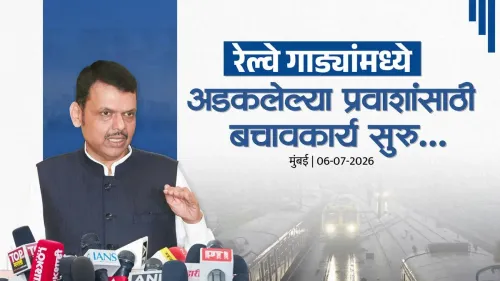
CM Fadnavis: Mumbai Metro Running Safe Amid Heavy Rains
Synopsis
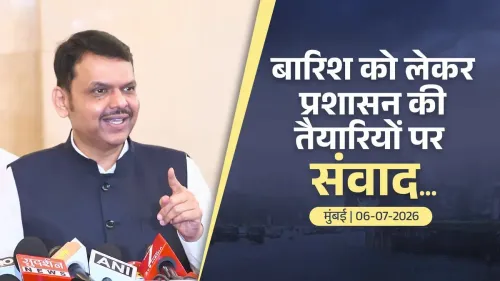
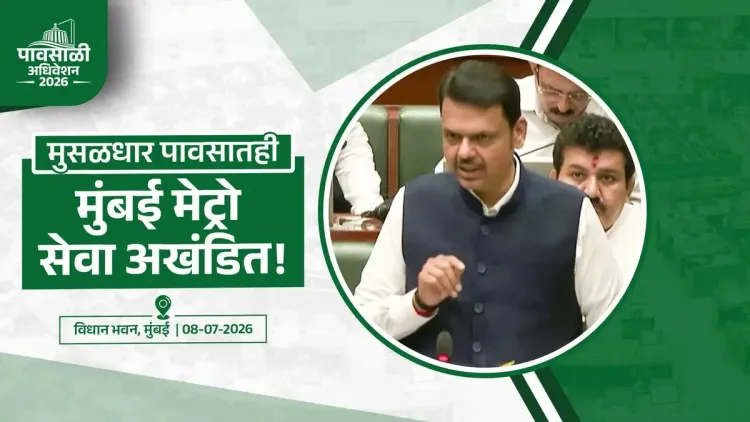
Maharashtra CM Devendra Fadnavis on 8 July 2026 assured commuters that all Mumbai Metro services, including underground lines, are running safely despite heavy monsoon rainfall, with no leaks or technical faults reported anywhere on the network.
Key Takeaways
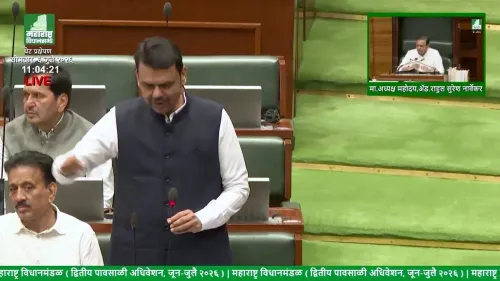
Maharashtra CM Devendra Fadnavis issued a public reassurance on 8 July 2026 from the Maharashtra Legislative Assembly during the Monsoon Session 2026.
All Mumbai Metro services, including underground lines, are operating normally despite heavy rainfall.
No leaks or technical issues have been reported anywhere on the Metro network as of the date of the post.
The statement was issued in both English and Marathi , targeting a broad public audience across Maharashtra.
Underground metro corridors in Mumbai were specifically engineered to resist water ingress, and this monsoon update reflects a key test of that design.
The announcement coincides with the Maharashtra Monsoon Session 2026 , where infrastructure preparedness is a live legislative concern.
Maharashtra Chief Minister Devendra Fadnavis on Wednesday, 8 July 2026 announced that all Metro services across Mumbai, including the underground lines, are operating normally despite heavy monsoon rainfall, with no leaks or technical faults reported anywhere on the network. The statement was made from the Maharashtra Legislative Assembly during the ongoing Monsoon Session 2026.
Context
Posting in both English and Marathi, Fadnavis stated: 'Despite the heavy rainfall, all Metro services in Mumbai, including the underground Metro, are operating safely, with no leaks or technical issues reported anywhere.' The Marathi portion of the post — 'मुसळधार पावसातही मुंबईतील अंडरग्राऊंडसह सर्व मेट्रो सेवा सुरक्षितपणे सुरू असून, कुठेही गळती किंवा तांत्रिक अडचण निर्माण झालेली नाही' ['Even in heavy rain, all Metro services in Mumbai, including the underground, are running safely, with no leaks or technical problems anywhere'] — mirrors the English text, signalling the message was directed at the Marathi-speaking public as much as at the broader national audience.
Mumbai receives some of the heaviest monsoon rainfall of any Indian metropolis, with past seasons repeatedly disrupting suburban rail, road, and bus services. A public reassurance from the Chief Minister on a working day during the assembly session carries institutional weight, aimed at both commuters and legislators debating civic infrastructure.
Policy Backdrop
Mumbai Metro Line 1, the city's first metro corridor, became operational in 2014. Since then, successive Maharashtra governments have aggressively expanded the network, with underground corridors engineered to higher water-ingress standards specifically to provide all-weather transport resilience. The underground sections represent a significant engineering and financial investment, and their performance during monsoon conditions is a key benchmark for the project's long-term viability.
Maharashtra governments have consistently positioned metro rail as a solution to the city's perennial monsoon vulnerability, where road and surface rail networks are frequently paralysed by flooding. The Chief Minister's office regularly issues operational updates during peak rainfall events to manage public confidence and pre-empt panic-driven disruption to commuter behaviour.
Stakeholders and Impact
Mumbai's millions of daily Metro commuters are the most immediate audience for this reassurance. For urban residents who rely on the Metro as an alternative to waterlogged roads and overcrowded suburban trains during the monsoon, a confirmed clean bill of operational health is directly consequential. Businesses, schools, and hospitals across the city depend on predictable transit access even in adverse weather.
The statement also carries political significance: it was issued from the Maharashtra Legislative Assembly during the Monsoon Session, a period when opposition members routinely raise questions about infrastructure readiness and civic failures. A proactive public update from Fadnavis frames the government's position ahead of any potential floor debate on Mumbai's monsoon preparedness.
What's Next
Attention will now focus on whether the Metro network sustains uninterrupted service through the remainder of the 2026 monsoon season, which typically intensifies through July and August. Assembly discussions during the Monsoon Session are expected to include broader questions on Mumbai's flood-mitigation infrastructure, drainage upgrades, and the readiness of other public transport modes. Any disruption to Metro services in the coming weeks would invite sharp scrutiny of today's assurance.
Point of View
Assembly-floor update on Metro operations is a calculated act of proactive governance communication — pre-empting opposition questions during the Monsoon Session rather than responding to them. It signals that the BJP-led Maharashtra government is leaning into urban infrastructure performance as a political asset, particularly the underground Metro corridors that represent years of investment and public debate. The reassurance also reflects a broader pattern in Indian state politics where real-time infrastructure updates during weather events have become a standard tool of executive image management. If the Metro continues to perform through the peak monsoon weeks, it strengthens the government's narrative on urban resilience; any disruption would sharply reverse that framing.
NationPress
8 Jul 2026
Frequently Asked Questions
Is Mumbai Metro running during heavy rain today?
Yes. Maharashtra CM Devendra Fadnavis confirmed on 8 July 2026 that all Mumbai Metro services, including underground lines, are operating safely with no leaks or technical problems reported.
Is the underground Mumbai Metro safe during monsoon?
According to CM Fadnavis's statement on 8 July 2026, the underground Metro in Mumbai is running without any leaks or technical issues despite heavy monsoon rainfall. Underground corridors were designed with water-ingress mitigation standards.
What did Devendra Fadnavis say about Mumbai Metro in the monsoon?
Fadnavis posted in both English and Marathi on 8 July 2026 stating that 'all Metro services in Mumbai, including the underground Metro, are operating safely, with no leaks or technical issues reported anywhere.'
What is the Maharashtra Monsoon Session 2026?
The Maharashtra Monsoon Session 2026 is the annual sitting of the Maharashtra Legislative Assembly held during the monsoon period, where legislators debate civic, infrastructure, and policy issues including urban flooding and transport readiness.
When did Mumbai Metro start operating?
Mumbai Metro Line 1, the city's first metro corridor, became operational in 2014. The network has since expanded to include underground lines designed to handle monsoon conditions.