CM Fadnavis Pitches Maharashtra to World on Independence Day
Synopsis
Maharashtra CM Devendra Fadnavis hosted diplomats and senior officials at a Mumbai Independence Day 'Welcome Ceremony', pitching the state's trillion-dollar economy ambition for 2029-30 and spotlighting the Navi Mumbai Airport, Vadhvan Port, and GCC growth as pillars of its global investment case.
Key Takeaways
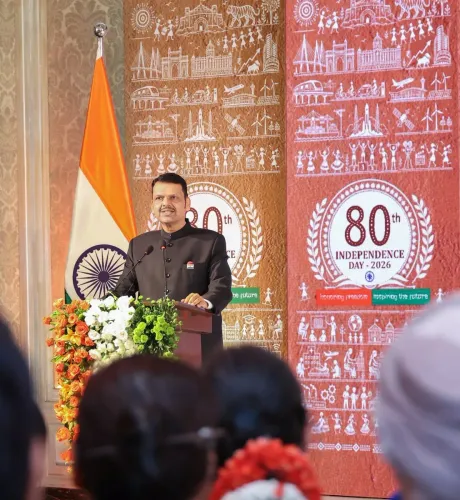
CM Devendra Fadnavis hosted a diplomatic 'Welcome Ceremony' in Mumbai on the eve of Independence Day, August 14, 2026 .
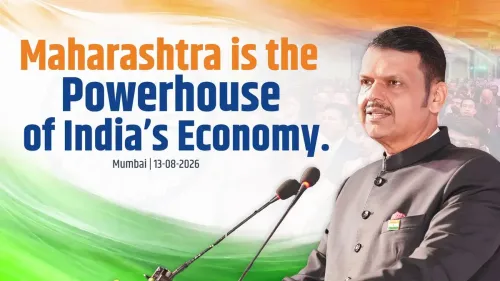
Maharashtra has set a target of becoming India's first trillion-dollar sub-national economy by 2029–30 .
The Navi Mumbai International Airport and Vadhvan Port were highlighted as flagship infrastructure projects underpinning the state's growth pitch.
Mumbai and Pune were cited as key drivers of India's expanding GCC (Global Capability Centre) ecosystem.
Senior Maharashtra leaders including Assembly Speaker Rahul Narwekar , multiple cabinet ministers, and Mumbai Mayor Ritu Tawde attended alongside foreign consuls general.
Tomasz Wielgomas , Consul General of Poland, was among the named diplomatic attendees at the ceremony.
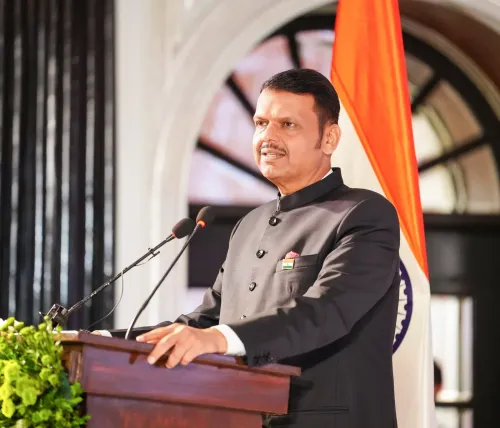
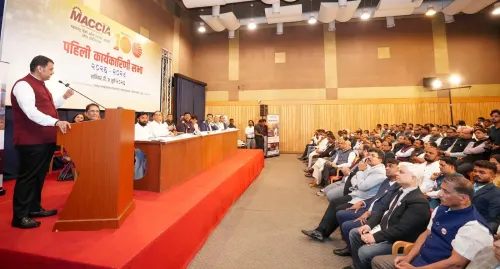
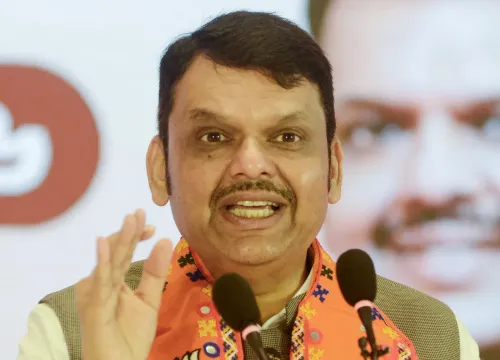
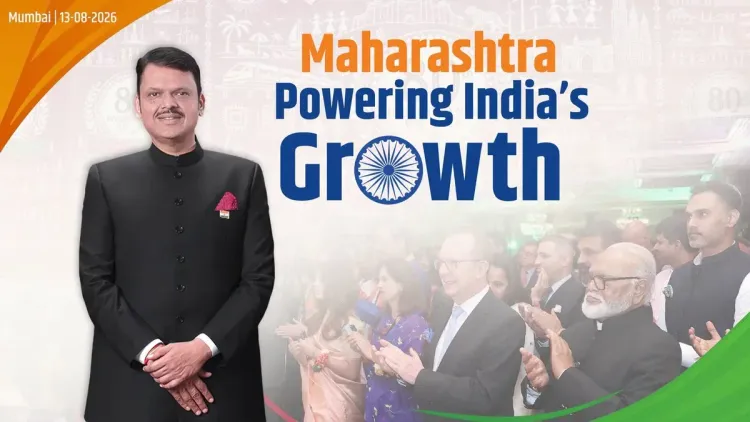
On the eve of India's Independence Day, Maharashtra Chief Minister Devendra Fadnavis stood before consuls general, diplomats, and senior state officials at a special 'Welcome Ceremony' in Mumbai — and made a direct pitch: Maharashtra is open for the world's business, and the clock is ticking toward a trillion-dollar ambition.
Fadnavis, accompanied by Amruta Fadnavis, hosted the diplomatic reception on behalf of the Government of Maharashtra, welcoming members of the international consular community on August 14, 2026. The gathering included Tomasz Wielgomas, Consul General of Poland, alongside consuls general from multiple foreign missions, making it one of the more substantive pre-Independence Day diplomatic engagements the state has hosted.
The Trillion-Dollar Pitch
At the heart of Fadnavis's address was a bold economic target: Maharashtra aims to become India's first trillion-dollar sub-national economy by 2029–30. The state already anchors a disproportionate share of the country's GDP through Mumbai's financial dominance and Pune's manufacturing and technology corridors. Fadnavis framed this not as aspiration but as trajectory — pointing to the state's role as India's startup capital and the expanding Global Capability Centre (GCC) ecosystem across both cities as proof of direction.
The CM credited the national economic framework under Prime Minister Narendra Modi for creating the conditions that have elevated India's standing in the global order. While India's precise current ranking among the world's largest economies is a matter of ongoing measurement, the country's sustained growth momentum over the past decade has drawn consistent international attention.
Navi Mumbai Airport, Vadhvan Port, and the Infrastructure Bet
Fadnavis pointed to a clutch of transformational infrastructure projects as the structural backbone of Maharashtra's global pitch. The Navi Mumbai International Airport — designed to dramatically expand aviation capacity in the country's busiest metropolitan region — and the Vadhvan Port, a planned deep-water maritime facility on the Konkan coast, are central to that argument. Together, they represent the state's bid to become not just a financial hub but a logistics and trade gateway.
He also referenced the development of 'Third and Fourth Mumbai' — planned urban extensions intended to distribute economic activity and population pressure beyond the existing city limits, creating new investment zones and residential corridors.
Who Was in the Room
The ceremony brought together a cross-section of Maharashtra's political and civic leadership. Assembly Speaker Adv. Rahul Narwekar, Legislative Council Deputy Chairman Sachin Ahir, ministers including Mangal Prabhat Lodha, Chhagan Bhujbal, Aditi Tatkare, Jaykumar Rawal, Minister of State Yogesh Kadam, and Mumbai Mayor Ritu Tawde were all present — a show of political unity around the economic message being delivered to foreign partners.
The diplomatic community's presence at a state-level Independence Day event underscores a broader pattern: sub-national governments in India are increasingly cultivating their own international relationships, using cultural and ceremonial occasions as platforms for investment diplomacy. Maharashtra, with its concentration of multinational headquarters, financial institutions, and technology parks, has more leverage than most to make that outreach count.
The real test of Thursday's ceremony will come in the months ahead — whether the diplomatic warmth translates into concrete investment commitments, and whether the Navi Mumbai Airport and Vadhvan Port timelines hold firm enough to back the trillion-dollar promise.
Point of View
The CM is betting that visible, time-bound projects will do more to attract foreign partners than policy promises alone. Whether Maharashtra can sustain that momentum through election cycles and project execution timelines is the central question this ceremony raises.
NationPress
14 Aug 2026
Frequently Asked Questions
What is Maharashtra's trillion-dollar economy target?
Maharashtra aims to become India's first trillion-dollar sub-national economy by 2029–30 , a goal CM Devendra Fadnavis reiterated at the Independence Day diplomatic reception in Mumbai.
What is the Navi Mumbai International Airport?
The Navi Mumbai International Airport is a major infrastructure project designed to expand aviation capacity in the Mumbai metropolitan region, serving as a second international airport to ease congestion at Chhatrapati Shivaji Maharaj International Airport.
What is Vadhvan Port in Maharashtra?
Vadhvan Port is a planned deep-water port on Maharashtra's Konkan coast, intended to significantly boost the state's maritime trade and logistics capacity.
What is a GCC and why are Mumbai and Pune important for it?
A Global Capability Centre (GCC) is an offshore unit set up by a multinational company to handle specialised functions. Mumbai and Pune have emerged as leading GCC destinations in India due to their talent pools, infrastructure, and business ecosystems.
Who attended the Independence Day Welcome Ceremony hosted by CM Fadnavis?
The ceremony was attended by Assembly Speaker Rahul Narwekar , Legislative Council Deputy Chairman Sachin Ahir , several cabinet ministers, Mumbai Mayor Ritu Tawde , Tomasz Wielgomas (Consul General of Poland), and consuls general from multiple foreign missions.