CM Fadnavis: Pune to be India's Growth Engine by 2030
Synopsis
Chief Minister Devendra Fadnavis and Union Minister Nitin Gadkari broke ground on three elevated road corridors in Pune on 18 July 2026, with Fadnavis declaring Pune will become India's growth engine by 2030. The day also saw a quantum computing ecosystem pledge and the launch of Mission Orange City.
Key Takeaways
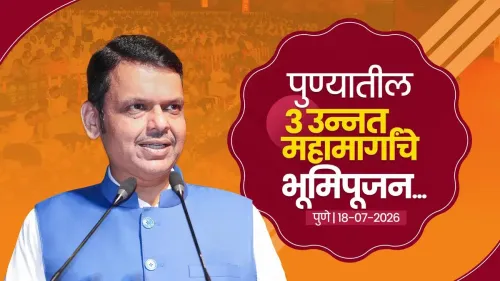
Three elevated road corridors — Pune–Shirur, Talegaon–Chakan–Shikrapur, and Hadapsar–Yavat — had their groundbreaking on 18 July 2026 .
CM Devendra Fadnavis stated that infrastructure development will make Pune India's 'growth engine' by 2030 .
Union Minister Nitin Gadkari said the three elevated corridors will resolve Pune's traffic congestion and pollution problem.
Fadnavis announced plans to build an ecosystem for quantum computing and deep-tech technology in the state.
Mission Orange City was launched with an orange-tree plantation drive in the Ramgiri area.
The CM paid tributes to Baburao Tidke and Gandhian thinker Dr.
Kumar Saptarshi , both recently deceased.
The Chief Minister's Office of Maharashtra posted a day-end summary on Saturday, 18 July 2026, highlighting a cluster of announcements by Chief Minister Devendra Fadnavis, including the groundbreaking of three elevated road corridors in Pune, a commitment to build a quantum computing ecosystem, the launch of Mission Orange City, and tributes to two departed public figures.
Context
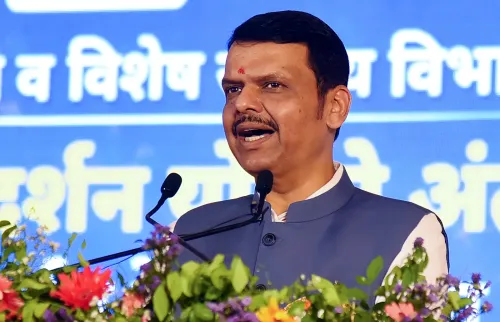
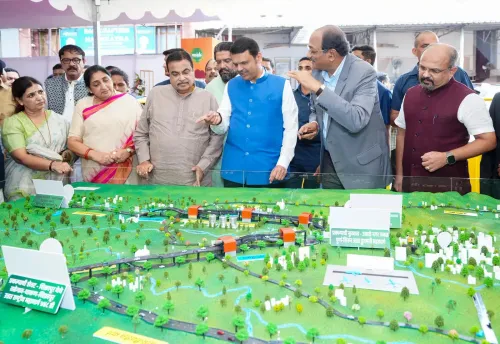
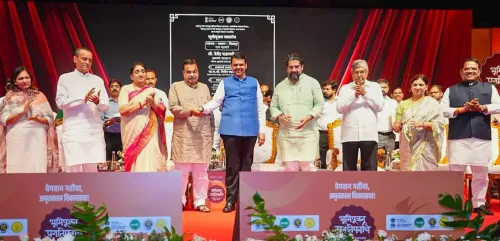
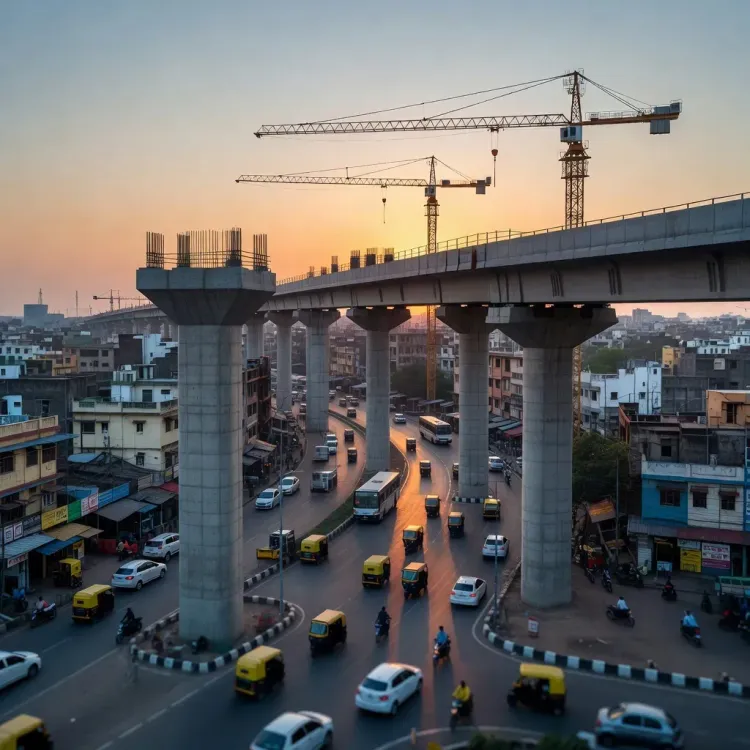
The day's centrepiece was the groundbreaking (bhoomipoojan) of three elevated road projects aimed at easing Pune's chronic traffic congestion. The three corridors — Pune–Shirur, Talegaon–Chakan–Shikrapur, and Hadapsar–Yavat — were inaugurated in the presence of Union Minister for Road Transport and Highways Nitin Gadkari. Gadkari was quoted as saying that 'three elevated corridors will resolve Pune's traffic congestion and pollution problem.'
Fadnavis framed the projects in broader terms, asserting that 'infrastructure development will make Pune the country's growth engine by 2030.' The corridors are intended to decongest key arterial routes connecting Pune to its rapidly expanding satellite towns and industrial clusters.
Policy Backdrop
The elevated road projects align with the Bharatmala Pariyojana framework launched in 2015, which prioritised elevated corridors and expressways across Maharashtra to reduce urban congestion and improve freight movement. Pune, already a major IT and industrial hub, has seen population and vehicle density surge in tandem with economic growth, making integrated mobility planning a recurring policy priority for both state and central governments.
On the technology front, Fadnavis announced that the state will 'create an ecosystem to adapt to quantum computing and deep-tech technology.' This builds on Maharashtra's 2018 IT and electronics policy, which first outlined support for emerging technology clusters including artificial intelligence and quantum computing. The announcement signals an intent to position Pune — already home to significant engineering and research institutions — as a node in India's emerging deep-tech geography.
Stakeholders and Impact
Pune commuters stand to benefit most directly from the three elevated corridors, which are designed to reduce travel time on some of the city's most congested stretches. Urban local bodies and industrial associations in the Chakan and Shikrapur belts, which house major automobile and electronics manufacturing units, are expected to see improved logistics connectivity.
The launch of Mission Orange City — inaugurated by Fadnavis through an orange-tree plantation drive in the Ramgiri area — reflects the state's parallel focus on urban greening alongside physical infrastructure. The initiative promotes horticulture and environmental cover in urban and peri-urban zones. Separately, the CM offered condolences for two public figures: Baburao Tidke, described as someone who 'sowed happiness in the lives of others,' and Dr. Kumar Saptarshi, a senior Gandhian thinker and social reformer whom Fadnavis described as 'selfless leadership in the field of social transformation, now lost.'
What's Next
Physical progress on all three elevated road corridors will be closely tracked, as will any follow-up budget allocations in the next Maharashtra state assembly session. The quantum computing and deep-tech ecosystem announcement will require concrete follow-through in the form of incubation centre approvals, land allocation, and industry partnerships to move beyond the declaration stage.
The Mission Orange City plantation drive, if scaled as indicated, could become a template for similar green-cover campaigns in other Maharashtra cities. Maharashtra's pattern of bundling infrastructure groundbreakings with technology and environmental announcements suggests the state is positioning Pune as a showcase for its 2030 development vision ahead of upcoming electoral and budgetary cycles.
Point of View
If followed by concrete institutional steps, could meaningfully differentiate Pune from rival tech cities. However, the pattern of simultaneous multi-sector announcements also risks diluting accountability — the political test will be whether any single initiative reaches completion before the next electoral cycle.
NationPress
19 Jul 2026
Frequently Asked Questions
What are the three elevated road projects inaugurated in Pune on 18 July 2026?
The three elevated road corridors are Pune–Shirur, Talegaon–Chakan–Shikrapur, and Hadapsar–Yavat. Their groundbreaking was performed on 18 July 2026 in the presence of CM Devendra Fadnavis and Union Minister Nitin Gadkari.
Why did CM Fadnavis call Pune India's growth engine?
Fadnavis stated that ongoing infrastructure development — including elevated road corridors and a planned quantum computing ecosystem — will position Pune as the country's 'growth engine' by 2030.
What is Mission Orange City in Maharashtra?
Mission Orange City is a Maharashtra state initiative that promotes horticulture and urban greening through large-scale orange-tree plantation drives. CM Fadnavis launched it with a plantation event in the Ramgiri area on 18 July 2026.
What did Nitin Gadkari say about Pune's traffic problem?
Union Minister Nitin Gadkari said the three elevated road corridors will resolve Pune's traffic congestion and pollution problem.
What is Maharashtra's plan for quantum computing?
CM Devendra Fadnavis announced on 18 July 2026 that the state will create an ecosystem to support quantum computing and deep-tech technology, building on Maharashtra's earlier IT and electronics policy framework.