CM Fadnavis Pushes ₹34,732 Cr Nashik Kumbh 2027 Roadmap
Synopsis
Maharashtra CM Devendra Fadnavis chaired a review meeting in Mumbai on August 7, 2026, directing departments to execute a ₹34,732 crore plan for Nashik-Trimbakeshwar MahaSimhastha Kumbh Mela 2027, with AI tools, digital twins, and strict contractor penalties to ensure timely delivery.
Key Takeaways
₹34,732 crore development plan is being implemented to build world-class infrastructure for Nashik-Trimbakeshwar MahaSimhastha Kumbh Mela 2027.
CM Devendra Fadnavis chaired the review meeting in Mumbai on August 7, 2026 , directing all departments to meet stipulated timelines.
The Nashik Municipal Commissioner has been directed to expedite pothole repairs and accelerate road works across the city.
Contractors failing to deliver within prescribed timelines will face strict penal action .
The 'Digital Kumbh' initiative will deploy a 'KumbhDoot' AI Agent, Digital Twin technology, Smart Parking Systems, and AI-enabled missing person tracking under an Integrated Command and Control Centre.
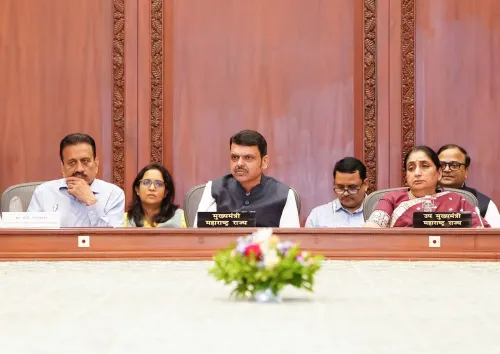
Deputy CM Sunetra Pawar , multiple ministers, MLAs, and Nashik Mayor Himgauri Aher-Adke attended the review meeting.
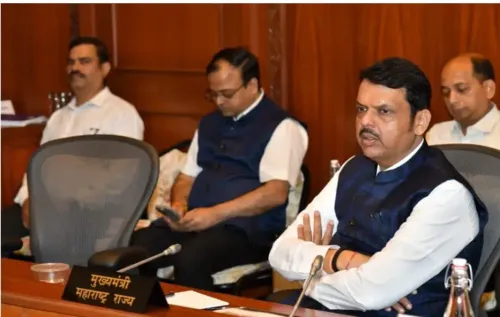
A ₹34,732 crore development plan. A deadline that cannot slip. And a 12-yearly spiritual gathering that will draw tens of millions of pilgrims to Nashik — Maharashtra Chief Minister Devendra Fadnavis chaired a high-level review meeting in Mumbai on Friday, August 7, 2026, to accelerate preparations for the Nashik-Trimbakeshwar MahaSimhastha Kumbh Mela 2027, directing every department to deliver on time or face consequences.
₹34,732 Crore on the Clock
The scale of ambition is striking. The ₹34,732 crore development plan — one of the largest event-linked infrastructure programmes Maharashtra has undertaken — is designed to transform Nashik into a world-class host city for one of the planet's biggest spiritual gatherings. Fadnavis made the stakes explicit: delays are not an option. Contractors who miss prescribed timelines will face strict penal action. The Nashik Municipal Commissioner has been specifically directed to expedite pothole repairs and accelerate ongoing road works across the city — a pointed signal that ground-level execution, not just high-level planning, is under the Chief Minister's direct watch.
'Digital Kumbh' — AI, Digital Twins, and a Command Centre
Beyond roads and infrastructure, Fadnavis unveiled the contours of a technology-first crowd management architecture under the 'Digital Kumbh' initiative. A 'KumbhDoot' AI Agent, Digital Twin technology, Smart Parking Systems, and AI-enabled missing person tracking will all be deployed, anchored by an Integrated Command and Control Centre. The goal: seamless public safety for a gathering that, at the Nashik Simhastha, routinely sees pilgrim numbers in the tens of millions across its duration. The last Nashik Simhastha in 2015 set a benchmark for state-managed mass pilgrimage logistics — the 2027 edition is being positioned as a significant leap beyond it.
Who Was in the Room
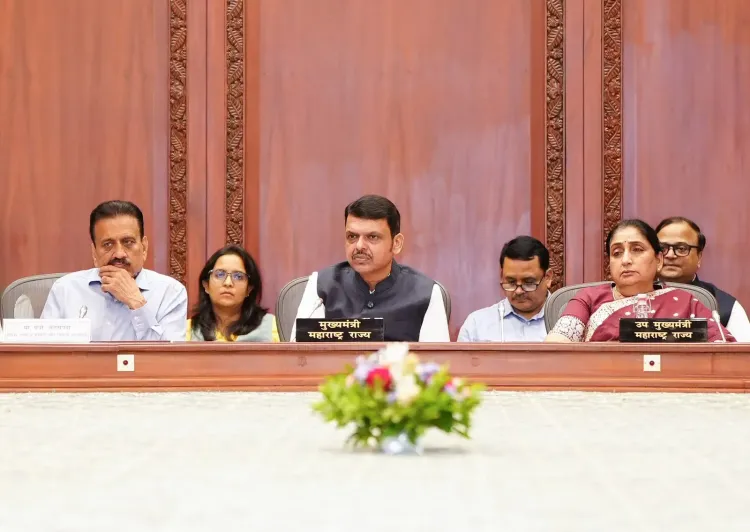
Deputy Chief Minister Sunetra Pawar, Minister Girish Mahajan, Minister Narhari Zirwal, along with multiple MLAs including Devyani Pharande, Seema Hiray, Adv. Rahul Dhikale, Saroj Ahire, and Hiraman Khoskar, were present at the review. Nashik Mayor Himgauri Aher-Adke and senior officials rounded out the room — a cross-section of political and administrative authority that signals the state government is treating Kumbh 2027 as a whole-of-government priority, not a departmental silo.
With roughly a year left on the clock, the pressure to convert crores into concrete — and algorithms into operational systems — is now squarely on Maharashtra's administrative machinery. Fadnavis has made one thing clear: excellence is the floor, not the ceiling.
Point of View
Fadnavis is signalling that the BJP-led Maharashtra government intends to own both the credit and the accountability for 2027. The 'Digital Kumbh' framing — AI agents, digital twins, command centres — also aligns with the broader national push to brand India's mass public events as technology showcases, following the template of recent Prayagraj Kumbh editions. Whether the ₹34,732 crore plan translates into on-ground delivery within the window will be the real measure of this administration's execution muscle.
NationPress
7 Aug 2026
Frequently Asked Questions
When is Nashik Trimbakeshwar Simhastha Kumbh Mela 2027?
The Nashik-Trimbakeshwar MahaSimhastha Kumbh Mela 2027 is a major Hindu pilgrimage event held every 12 years at Nashik and Trimbakeshwar in Maharashtra. The exact dates for the 2027 edition have not been specified in the official announcement, but state preparations are in full swing as of August 2026.
What is the budget for Nashik Kumbh Mela 2027 infrastructure?
Maharashtra has announced a ₹34,732 crore development plan to build world-class infrastructure for the Nashik-Trimbakeshwar MahaSimhastha Kumbh Mela 2027, as directed by Chief Minister Devendra Fadnavis.
What is the 'Digital Kumbh' initiative for Nashik 2027?
'Digital Kumbh' is a Maharashtra government initiative that will deploy a 'KumbhDoot' AI Agent, Digital Twin technology, Smart Parking Systems, and AI-enabled missing person tracking, all managed through an Integrated Command and Control Centre, to enhance crowd management and public safety at the 2027 Kumbh Mela.
What action will be taken against contractors delaying Kumbh 2027 projects?
CM Devendra Fadnavis has directed that strict action, including penal measures, will be initiated against contractors who fail to deliver Kumbh 2027 projects within the prescribed timelines.
Who attended the Nashik Kumbh 2027 review meeting chaired by CM Fadnavis?
The review meeting was attended by Deputy CM Sunetra Pawar, Ministers Girish Mahajan and Narhari Zirwal, MLAs Devyani Pharande, Seema Hiray, Adv. Rahul Dhikale, Saroj Ahire, and Hiraman Khoskar, Nashik Mayor Himgauri Aher-Adke, and senior officials.