CM Fadnavis Reviews Gadchiroli Flood Crisis, 700 Evacuated
Synopsis
Chief Minister Devendra Fadnavis reviewed Gadchiroli's flood crisis on 30 July 2026 after 123 mm of rain in 24 hours and upstream Chhattisgarh rainfall caused flooding in Bhamragad taluka. Some 700 residents have been evacuated, SDRF is deployed, and 17 roads remain closed.
Key Takeaways
CM Devendra Fadnavis personally reviewed the flood situation in Gadchiroli district on 30 July 2026 .
123 mm of rainfall was recorded in Gadchiroli in the past 24 hours, with some areas receiving up to 200 mm .
Flooding in Bhamragad taluka was triggered by heavy rainfall in neighbouring Chhattisgarh .
700 residents have been evacuated to ashram schools and other shelter facilities.
The SDRF has been deployed and the District Collector and police are working in coordination.
17 roads remain closed, with police alerting citizens near affected routes.
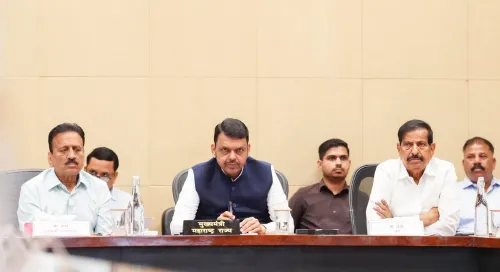
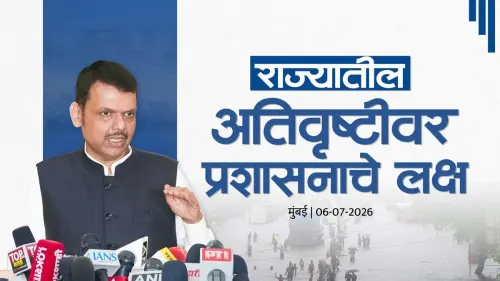
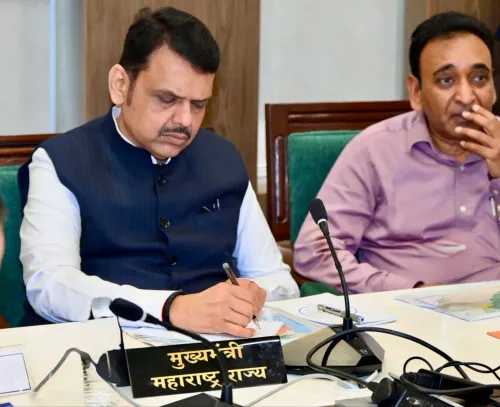
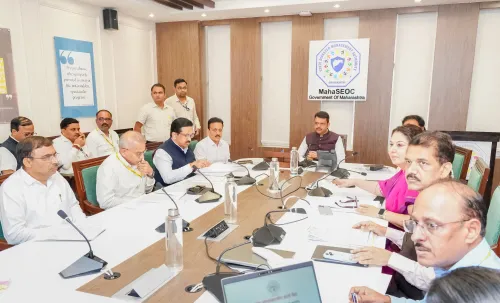
Heavy rainfall has pushed Gadchiroli district in eastern Maharashtra to the edge — and Chief Minister Devendra Fadnavis is watching every hour. On Thursday, 30 July 2026, Fadnavis personally reviewed the district's rain and flood situation with the Gadchiroli district administration, as upstream rains across the border triggered a crisis in one of Maharashtra's most remote talukas.
200 mm in 24 hours: What Chhattisgarh's rain did to Bhamragad
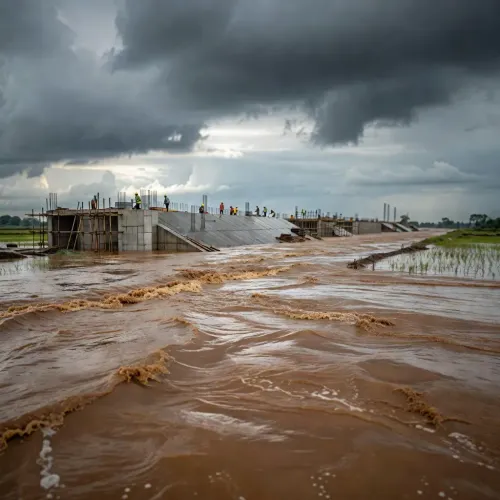
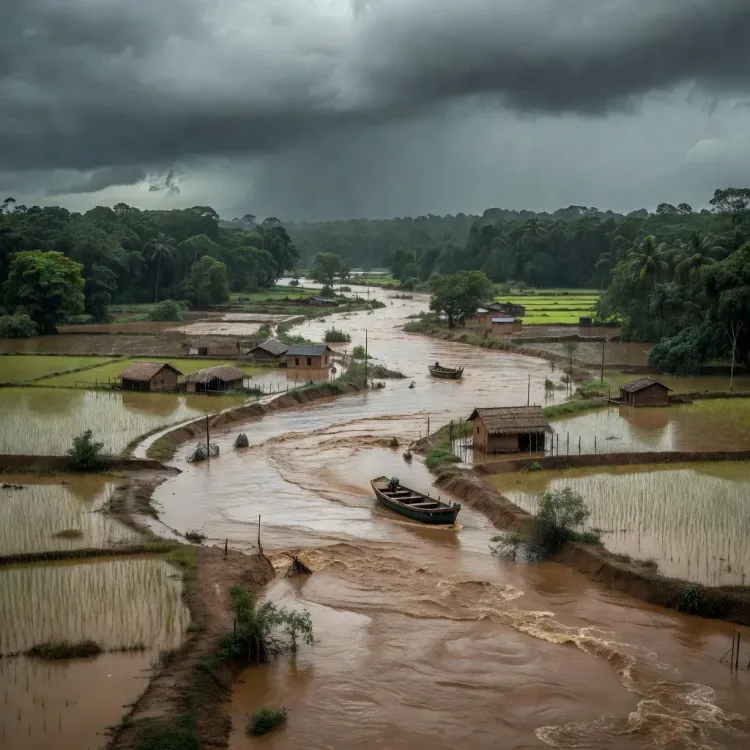
Gadchiroli district recorded 123 mm of rainfall in the past 24 hours, with isolated pockets receiving as much as 200 mm. The real trigger, however, came from across the state border — heavier-than-usual rainfall in Chhattisgarh caused floodwaters to surge into Bhamragad taluka, the easternmost block of Gadchiroli that sits at the confluence of river systems fed by both states. The result: a full-blown flood situation in an area that is home to tribal and forest-dwelling communities with limited road connectivity even in normal times.
700 residents have been evacuated to safety and housed across ashram schools and other shelter facilities in the area. Cross-border rainfall pushing floods into Bhamragad is a recurring monsoon pattern — but the scale this season has demanded a direct review from the Chief Minister's office.
SDRF deployed, 17 roads shut, police on alert
The State Disaster Response Force (SDRF) has been deployed and is on standby. The District Collector and police administration are working in coordination, with police actively alerting citizens near the 17 routes currently blocked across the district. Fadnavis confirmed that the situation in the rest of Gadchiroli remains normal, but the administration is maintaining full vigilance given the pace of rainfall.
Maharashtra's district-level monsoon review mechanism — part of the State Disaster Management Plan — means Fadnavis's direct intervention signals the situation is being treated as a priority, not a routine update. The focus now shifts to road restoration and ensuring evacuees in temporary shelters are adequately supported for what could be an extended stay.
Point of View
But the recurring nature of this pattern raises questions about long-term infrastructure investment in Gadchiroli's connectivity. For a CM who has staked governance credibility on administrative responsiveness, being seen to personally monitor remote tribal districts during a crisis is also a deliberate political signal. The real test comes in the days ahead: how quickly the 17 blocked roads are restored and whether temporary evacuees return home without further hardship.
NationPress
30 Jul 2026
Frequently Asked Questions
Why is Gadchiroli flooding in July 2026?
Gadchiroli recorded 123 mm of rainfall in 24 hours , with some areas seeing up to 200 mm . Additional heavy rainfall in neighbouring Chhattisgarh caused floodwaters to surge into Bhamragad taluka , worsening the situation.
How many people were evacuated in Gadchiroli floods?
700 residents have been evacuated from flood-affected areas in Bhamragad taluka and sheltered in ashram schools and other facilities.
What is SDRF and has it been deployed in Gadchiroli?
The State Disaster Response Force (SDRF) is Maharashtra's dedicated disaster rescue and relief unit. Yes, it has been deployed in Gadchiroli as part of the flood response.
How many roads are closed in Gadchiroli due to flooding?
17 routes are currently blocked in Gadchiroli district. Police are actively alerting citizens near these closed roads.
Did CM Devendra Fadnavis review the Gadchiroli flood situation?
Yes. Chief Minister Devendra Fadnavis reviewed the rain and flood situation in Gadchiroli with the district administration on 30 July 2026 .