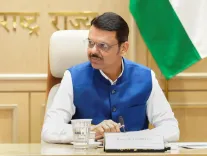
CM Fadnavis Reviews Sainik Schools Evaluation Report
Synopsis
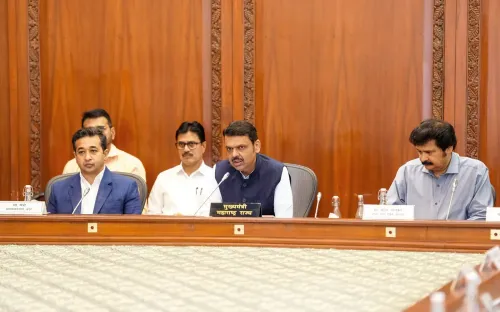
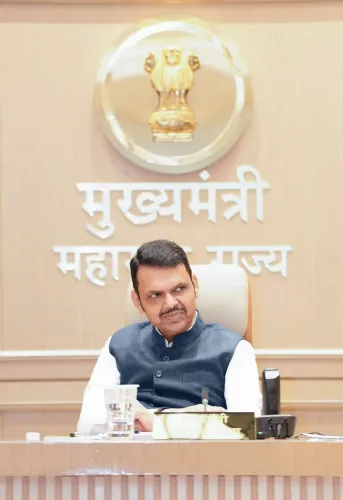
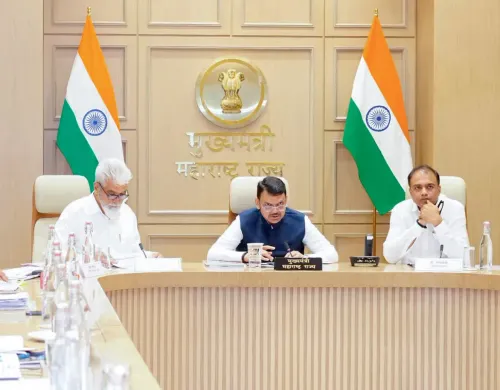
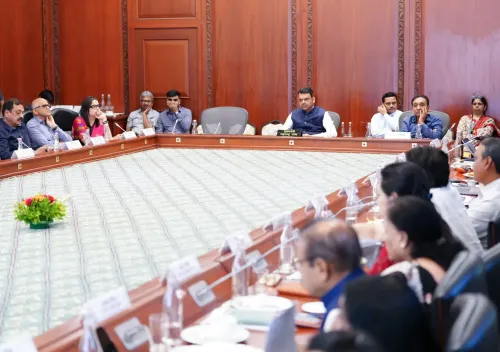
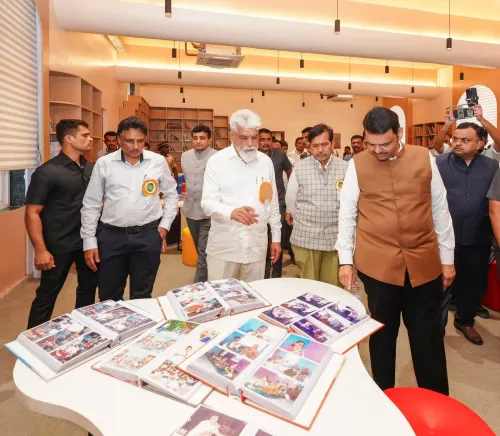
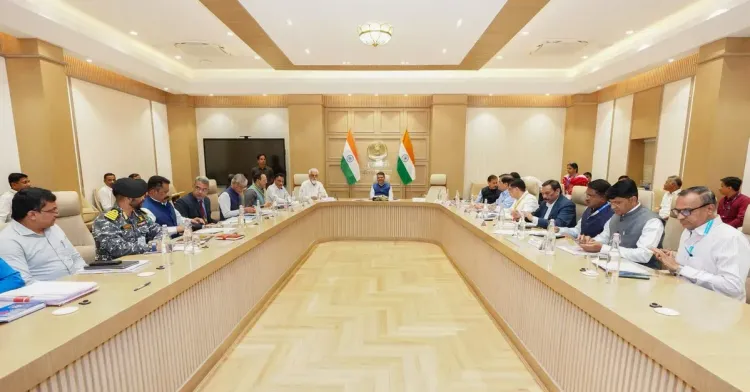
Chief Minister Devendra Fadnavis chaired a meeting at Varsha Bungalow, Mumbai on 20 November 2026 to review the committee report under Maharashtra's Sainik Schools Evaluation and Empowerment Framework and Improvement Policy, with Minister Dadaji Bhuse and senior officials present.
Key Takeaways
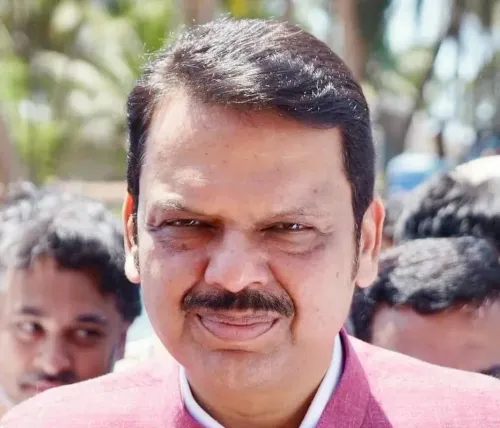
CM Devendra Fadnavis chaired the review meeting at Varsha Bungalow, Mumbai on 20 November 2026 at 2:10 pm .
The meeting examined the report of the committee formed under the State Sainik Schools Evaluation and Empowerment Framework and the Sainik Schools Improvement Policy .
Minister Dadaji Bhuse and senior state officials were present at the deliberations.
Maharashtra has a historic connection with Sainik Schools — India's first Sainik School was established at Satara, Maharashtra in 1961 .
The state maintains multiple Sainik Schools that prepare students for armed forces entry through a residential, discipline-focused model.
The meeting's outcome is expected to shape follow-up administrative and policy action on the committee's recommendations.
A focused policy meeting at Varsha Bungalow, Mumbai on 20 November 2026 signalled Maharashtra's intent to sharpen the state's network of defence-oriented residential schools. Chief Minister Devendra Fadnavis chaired the high-level review of the committee report constituted under the State Sainik Schools Evaluation and Empowerment Framework and the Sainik Schools Improvement Policy — a dual-track effort to assess and upgrade institutions that have long fed talented young Maharashtrians into the armed forces.
What brought ministers and officials to Varsha Bungalow
The meeting, held at 2:10 pm, brought together Minister Dadaji Bhuse and senior state officials to examine findings from a committee specifically formed to evaluate how Maharashtra's Sainik Schools are performing and where structural improvements are needed. The Chief Minister's Office confirmed the deliberations covered both the evaluation framework and the broader improvement policy — indicating a two-pronged approach: measure first, then reform.
Maharashtra's long bond with Sainik Schools
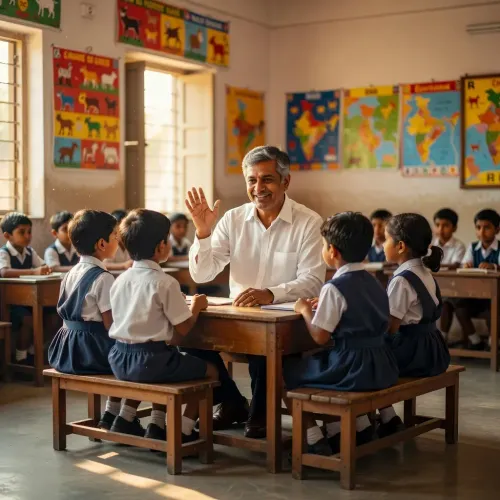
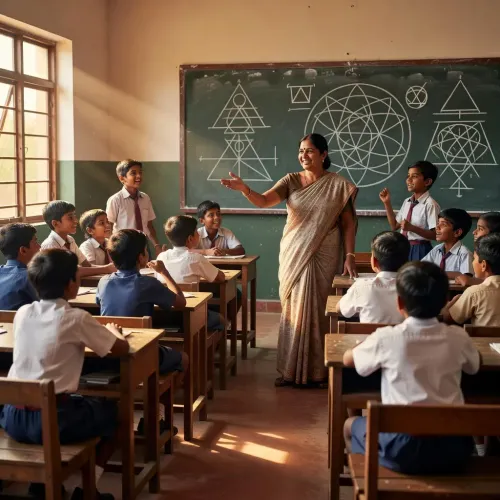
The roots of this policy conversation run deep. India's first Sainik School was established in 1961 at Satara, Maharashtra — making the state something of a founding custodian of the national Sainik Schools movement. Conceived to bridge the gap between secondary education and entry into the National Defence Academy and other defence training pipelines, Sainik Schools operate on a residential model that combines rigorous academics with physical discipline and leadership training.
Maharashtra has maintained multiple such institutions across the state, and periodic state-level policy reviews are a recognised part of keeping these schools aligned with both national frameworks and evolving defence recruitment standards.
The committee report at the centre of the review
The committee whose report was tabled at the meeting was specifically constituted under the dual mandate of the Evaluation and Empowerment Framework and the Improvement Policy — suggesting a structured, criteria-driven assessment rather than an ad-hoc review. While the specific findings remain undisclosed, the presence of a Cabinet minister alongside senior bureaucrats signals that the recommendations carry weight and may translate into concrete administrative or funding decisions.
For the thousands of students — many from rural and semi-urban Maharashtra — who see a Sainik School education as their clearest path to a career in uniform, the outcomes of this meeting matter directly.
With the review now on record, the pressure on the state to act on the committee's recommendations — not merely receive them — has formally begun.
Point of View
Any policy reform here carries symbolic weight beyond the state's borders. The dual framework — evaluation paired with empowerment — signals an intent to not just diagnose problems but to resource solutions, making budget and staffing decisions the ones to watch next.
NationPress
20 Nov 2026
Frequently Asked Questions
What is the State Sainik Schools Evaluation and Empowerment Framework in Maharashtra?
It is a policy framework under which Maharashtra constituted a committee to assess and strengthen the functioning of Sainik Schools in the state, focusing on evaluation and empowerment of these defence-oriented residential institutions.
Who chaired the Sainik Schools review meeting on 20 November 2026?
Chief Minister Devendra Fadnavis chaired the meeting at Varsha Bungalow, Mumbai, with Minister Dadaji Bhuse and senior officials in attendance.
Where was India's first Sainik School established?
India's first Sainik School was established in 1961 at Satara, Maharashtra , making the state a historic centre of the Sainik Schools movement.
What is the purpose of Sainik Schools in India?
Sainik Schools are residential institutions that combine rigorous academics with physical discipline and leadership training to prepare students for entry into the National Defence Academy and other armed forces pipelines.
What is the Sainik Schools Improvement Policy in Maharashtra?
The Sainik Schools Improvement Policy is a state-level policy framework paired with the Evaluation and Empowerment Framework to identify and implement structural upgrades in Maharashtra's Sainik Schools.