CM Fadnavis Says Mahayuti Fulfilled Farm Loan Waiver Promise
Synopsis
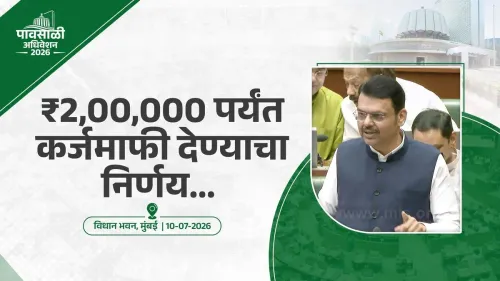
Chief Minister Devendra Fadnavis announced at the Maharashtra Vidhan Sabha on 10 July 2026 that the Mahayuti government has fulfilled its Assembly election promise of a farm loan waiver, signalling relief for the state's debt-burdened farming community during the Monsoon Session.
Key Takeaways
CM Devendra Fadnavis declared on 10 July 2026 that the Mahayuti government has fulfilled its farm loan waiver promise made during the 2024 Maharashtra Assembly elections .
The announcement was made from the Maharashtra Vidhan Sabha in Mumbai during the Monsoon Session 2026 .
The Mahayuti alliance comprises BJP , Shiv Sena , and NCP (Ajit Pawar faction) .
Farm loan waivers in Maharashtra have a precedent dating to 2008 and a previous Fadnavis-era waiver in 2017 that covered loans up to Rs 1.5 lakh .
Specific details — waiver quantum, eligibility criteria, and disbursement timeline — are expected to emerge through Monsoon Session proceedings.
Small and marginal farmers in distress-prone regions such as Vidarbha and Marathwada are the primary intended beneficiaries.
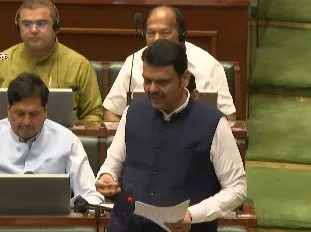
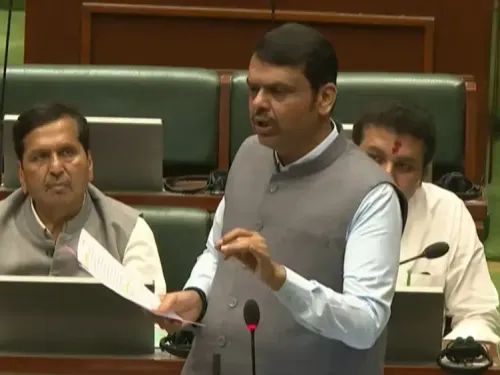
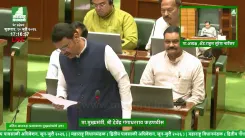
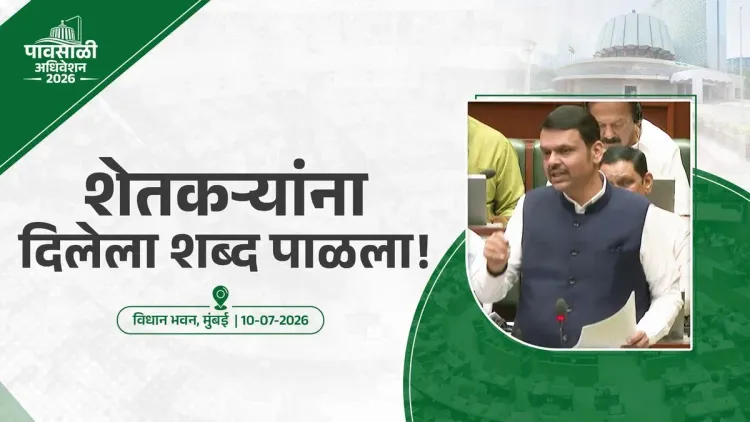
Maharashtra Chief Minister Devendra Fadnavis declared on Friday, 10 July 2026 that the Mahayuti government has fulfilled its election promise of a farm loan waiver to the state's farmers, making the announcement from the Maharashtra Vidhan Sabha during the ongoing Monsoon Session 2026 in Mumbai.
Posting on X in both English and Marathi, Fadnavis wrote: 'महायुती सरकारने विधानसभा निवडणुकीच्या वेळी शेतकऱ्यांना दिलेला कर्जमाफीचा शब्द पाळला' — meaning 'The Mahayuti government has kept the word of farm loan waiver given to farmers at the time of the Assembly elections.'
Context
The Mahayuti alliance — comprising the BJP, Shiv Sena, and the NCP (Ajit Pawar faction) — had campaigned ahead of the 2024 Maharashtra Assembly elections on a platform that included relief for the state's large and debt-burdened farming community. Farm loan waivers have historically been a central demand in Maharashtra's rural constituencies, where erratic monsoons and rising input costs push small and marginal farmers into recurring cycles of indebtedness.
Fadnavis's announcement from the floor of the Vidhan Sabha during the Monsoon Session signals that the government intends to frame this as a legislative-session milestone, lending it formal parliamentary weight.
Policy Backdrop
Maharashtra has a long history of farm debt relief programmes. A major waiver was announced in 2017 under a previous Fadnavis-led government, covering crop loans up to Rs 1.5 lakh for small and marginal farmers. Before that, the state participated in the 2008 central farm loan waiver package following the agrarian crisis of 2007-08. Each successive waiver has been accompanied by implementation challenges around beneficiary eligibility, coordination with cooperative and commercial banks, and the fiscal burden on the state exchequer.
The current announcement continues this established pattern seen under both Congress-NCP and BJP-led governments over more than two decades. Details of the waiver quantum, eligible loan categories, and disbursement timelines are expected to emerge through the Monsoon Session proceedings and subsequent budget notifications.
Stakeholders and Impact
Small and marginal farmers across Maharashtra's rain-fed districts — particularly in Vidarbha, Marathwada, and parts of North Maharashtra — stand as the primary beneficiaries of any such relief. These regions have historically recorded the highest rates of farm distress and agrarian suicides, making debt relief a politically and humanly significant intervention.
Cooperative banks and district central cooperative banks, which hold a large share of short-term agricultural credit in the state, will be central to the disbursement mechanism. Their liquidity and non-performing asset positions are directly affected by how swiftly and accurately the government credits waived amounts to lender accounts.
What's Next
Observers will watch the Maharashtra Monsoon Session 2026 closely for tabling of the formal scheme notification, including the waiver ceiling, cut-off date for eligible loans, and the total fiscal outlay. District-level committees are typically tasked with beneficiary verification, and the pace of that process will determine how quickly relief reaches farmers on the ground.
With the kharif sowing season underway, timely implementation could ease credit access for farmers heading into the critical cultivation period. Any delays in bank coordination or eligibility disputes, however, risk turning a political promise into a prolonged administrative exercise — a pattern Maharashtra has navigated, with mixed results, in previous waiver cycles.
Point of View
Converting a campaign pledge into a governance claim with parliamentary visibility. The timing — mid-Monsoon Session, at the start of the kharif cycle — maximises both rural optics and pressure on the bureaucracy to accelerate disbursement. Maharashtra's track record shows that the distance between a waiver announcement and actual credit relief reaching farmers can be considerable, and the Mahayuti government will be judged on implementation speed rather than the declaration alone. The move also fits a broader BJP pattern of front-loading welfare fulfilment announcements in the first half of a term to consolidate rural vote banks ahead of local body elections.
NationPress
10 Jul 2026
Frequently Asked Questions
What is the Maharashtra farm loan waiver announced by CM Fadnavis in July 2026?
Chief Minister Devendra Fadnavis announced on 10 July 2026 that the Mahayuti government has fulfilled its promise to waive farm loans made to Maharashtra farmers during the 2024 Assembly election campaign. Specific details of the waiver amount and eligibility are expected to be notified through the Monsoon Session.
Who benefits from the Mahayuti government farm loan waiver?
The primary beneficiaries are small and marginal farmers across Maharashtra, particularly in distress-prone regions like Vidarbha and Marathwada, who hold outstanding agricultural loans with cooperative and commercial banks.
What is Mahayuti and which parties are in it?
Mahayuti is the ruling coalition in Maharashtra comprising the BJP, Shiv Sena (Eknath Shinde faction), and NCP (Ajit Pawar faction). It won the 2024 Maharashtra Assembly elections and formed the state government with Devendra Fadnavis as Chief Minister.
Has Maharashtra done farm loan waivers before?
Yes. Maharashtra implemented a major farm loan waiver in 2017 under a previous Fadnavis government covering crop loans up to Rs 1.5 lakh, and participated in the 2008 central farm loan waiver package following the agrarian crisis of 2007-08.
When was the farm loan waiver announced and where?
The announcement was made on Friday, 10 July 2026, by Chief Minister Devendra Fadnavis at the Maharashtra Vidhan Sabha in Mumbai during the ongoing Monsoon Session 2026.