CM Fadnavis Shares Tukdoji Maharaj Verse on Diwali
Synopsis
On Diwali, Maharashtra Chief Minister Devendra Fadnavis shared devotional couplets by saint-reformer Rashtra Sant Tukdoji Maharaj, tagging the post #DiwaliWithFarmers — invoking a 20th-century rural reform legacy to frame a message of selfless service to farming communities.
Key Takeaways
CM Devendra Fadnavis posted devotional verses by Rashtra Sant Tukdoji Maharaj on 7 November 2026 , Diwali.
The verses call for selfless living and service to others, framed as a prayer to the saint-guru.
The post was tagged #DiwaliWithFarmers , directing the message explicitly toward Maharashtra's farming communities.
Rashtra Sant Tukdoji Maharaj was a 20th-century Maharashtra saint known for rural upliftment, anti-caste activism, and devotional poetry.
Maharashtra political leaders have a pattern of invoking Tukdoji Maharaj's verses to signal rural welfare commitments.
No specific farmer welfare scheme or policy announcement was attached to the post.
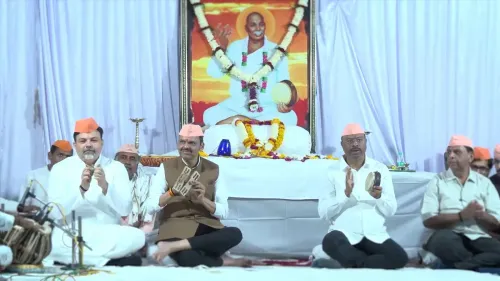
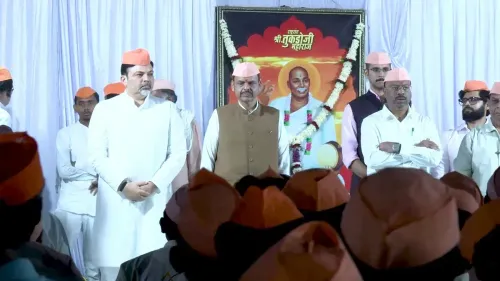
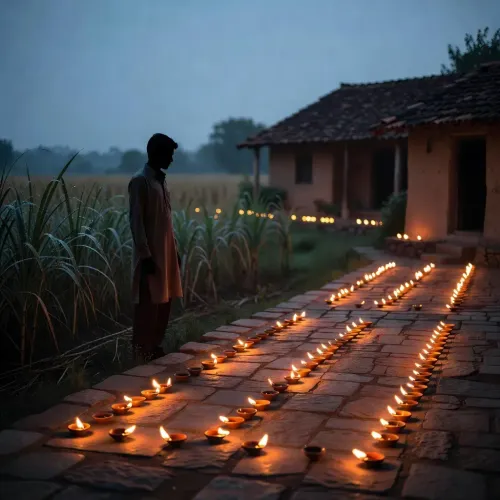
As Diwali lights burn across Maharashtra, Chief Minister Devendra Fadnavis turned to the timeless poetry of a saint-reformer to frame the season's message — not with political fanfare, but with a couplet about selfless service and rural welfare.
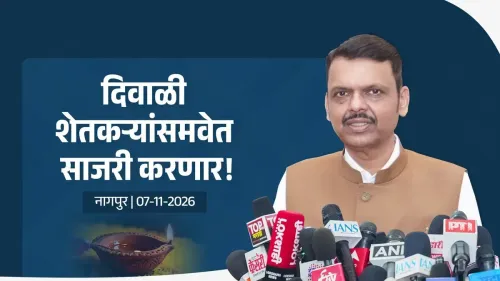
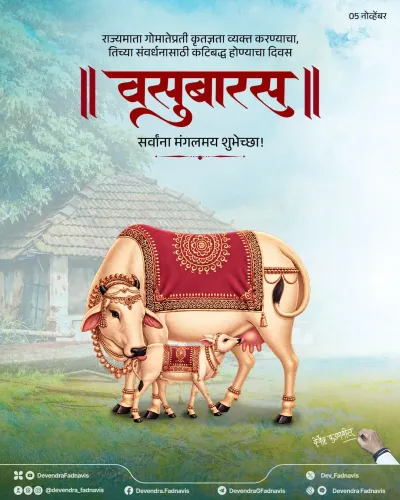
Fadnavis posted two devotional verses in Hindi from the canon of Rashtra Sant Tukdoji Maharaj, tagging the moment with #DiwaliWithFarmers — a signal that the festival greeting carried a deliberate address to Maharashtra's farming communities.
The verses, translated, read: 'है प्रार्थना गुरुदेव से, यह स्वर्गसम संसार हो' — 'This is my prayer to the Guru, may this world become like heaven. May life reach the highest plane, and all conduct be in service of others.' The second couplet adds: 'Let us not live for ourselves alone — we have need of everyone. Gurudev, grant this blessing: to fulfil the duty of thinking of others.'
Who was Rashtra Sant Tukdoji Maharaj?
Rashtra Sant Tukdoji Maharaj was a 20th-century Maharashtra saint, independence activist, and social reformer whose devotional poetry became a touchstone for rural upliftment and anti-caste solidarity. His Gramsudhar (village reform) movement gave his verses a deeply agrarian resonance — making them a natural choice when a Chief Minister wants to speak to farmers at Diwali.
Maharashtra's political leaders have periodically returned to Tukdoji Maharaj's words to anchor messages of selfless governance and rural welfare. The choice is rarely accidental: invoking a saint-reformer who walked village roads rather than palace corridors carries a particular moral weight for an audience of cultivators and rural communities.
Diwali as a political moment for farmers
The #DiwaliWithFarmers hashtag ties the verse to a broader pattern of festival-linked outreach by Maharashtra's state government toward farming communities. Diwali in rural Maharashtra is as much an agricultural marker — the kharif harvest season winds down, and families tally their year — as it is a festival of lights. Addressing farmers at this moment, through the moral vocabulary of a beloved saint, is a form of political communication that bypasses policy jargon entirely.
Whether the verse accompanies any concrete welfare announcement in the days ahead remains the question Maharashtra's farming communities will be watching closely. The poetry has set the tone. The policy, if any, follows.
Point of View
And the verse's emphasis on selfless service sets an implicit benchmark against which future policy moves will be read.
NationPress
7 Nov 2026
Frequently Asked Questions
Who is Rashtra Sant Tukdoji Maharaj?
Rashtra Sant Tukdoji Maharaj was a 20th-century Maharashtra saint, social reformer, and independence activist celebrated for his devotional poetry and rural upliftment work, including anti-caste campaigns and village reform initiatives.
Why did CM Fadnavis post Tukdoji Maharaj's verses on Diwali?
Fadnavis tagged the post #DiwaliWithFarmers, using the saint-reformer's moral vocabulary of selfless service to address Maharashtra's farming communities during the festival season — a pattern seen among Maharashtra political leaders on key occasions.
What do the verses posted by Fadnavis mean?
The couplets are a prayer asking the saint-guru to make the world heaven-like, to elevate human conduct toward service of others, and to grant the blessing of thinking about others rather than living only for oneself.
What is #DiwaliWithFarmers about?
#DiwaliWithFarmers is a hashtag used by Fadnavis to frame his Diwali message as specifically directed at Maharashtra's agricultural communities, linking the festival greeting to themes of rural welfare and farmer solidarity.
Has Fadnavis made any farmer welfare announcement alongside this post?
No specific welfare scheme or policy announcement accompanied this post. The message was devotional and symbolic, with any potential policy follow-up yet to be announced.