CM Fadnavis thanks PM Modi for backing Drug-Free Mumbai drive
Synopsis
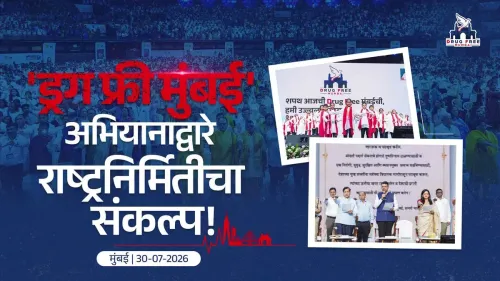
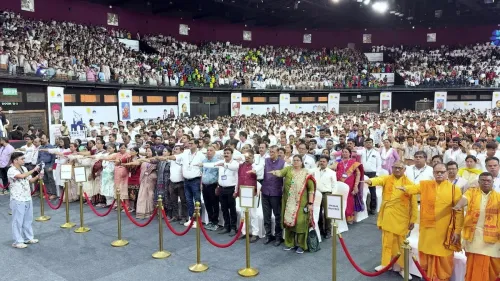
Maharashtra CM Devendra Fadnavis thanked PM Narendra Modi for backing the Drug-Free Mumbai campaign on 30 July 2026, pledging to carry the youth-focused anti-drug drive forward through people's participation across the city.
Key Takeaways
CM Devendra Fadnavis publicly thanked PM Narendra Modi on 30 July 2026 for his encouraging words on the Drug-Free Mumbai campaign.
Fadnavis described Mumbai's youth as 'the nation's greatest strength' and framed drug-free awareness as a shared societal responsibility.
The campaign aligns with the national Nasha Mukt Bharat Abhiyan , launched in 2020 by the Ministry of Social Justice and Empowerment.
The CM committed to expanding the drive to every young person in Mumbai through janabhagidari (people's participation).
The initiative reflects a broader pattern of state governments anchoring local welfare drives to central anti-narcotics messaging.
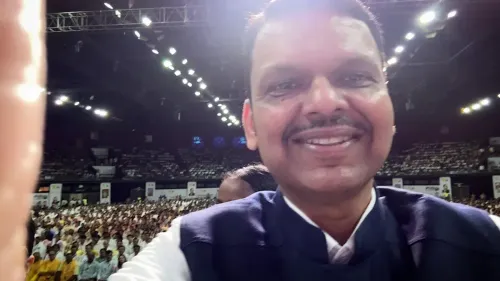
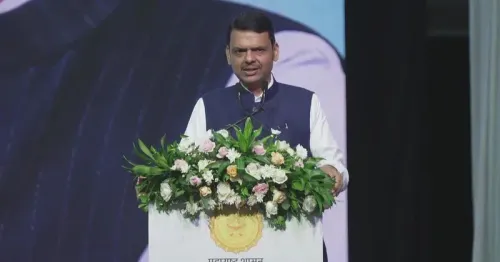
Mumbai's youth are at the centre of a renewed anti-drug push — and now the campaign has a powerful endorsement from the highest office in the country. Maharashtra Chief Minister Devendra Fadnavis on Thursday, 30 July 2026, publicly thanked Prime Minister Narendra Modi for his 'inspiring words' in support of the Drug-Free Mumbai campaign, calling the PM's message a force multiplier for the state's resolve to reach every young person in the city.
In his post, Fadnavis wrote: 'Hamare yuva desh ki sabse badi shakti hain' — 'Our youth are the nation's greatest strength' — framing the fight against substance abuse not as a law-enforcement problem but as a shared social contract. He pledged to carry the campaign forward with janabhagidari, or people's participation, a phrase that has become a signature of BJP-led welfare messaging at both state and central levels.Drug-Free Mumbai and the national anti-narcotics framework
The Drug-Free Mumbai campaign sits within a broader national architecture. The Nasha Mukt Bharat Abhiyan, launched in 2020 by the Ministry of Social Justice and Empowerment, established the template: spread awareness against substance abuse, prioritise youth, and enlist community participation over purely punitive measures. Maharashtra's city-level campaign mirrors that playbook, bringing it down to the streets of India's most populous and financially consequential city.
Mumbai's scale makes it both the biggest opportunity and the hardest test. The city's density, its migrant youth population, and its proximity to international drug-trafficking routes have made urban substance abuse a persistent concern for successive state governments. Fadnavis's public alignment with PM Modi's messaging signals that the campaign will draw on the full weight of both state machinery and central political backing.
People's participation as the campaign's core strategy
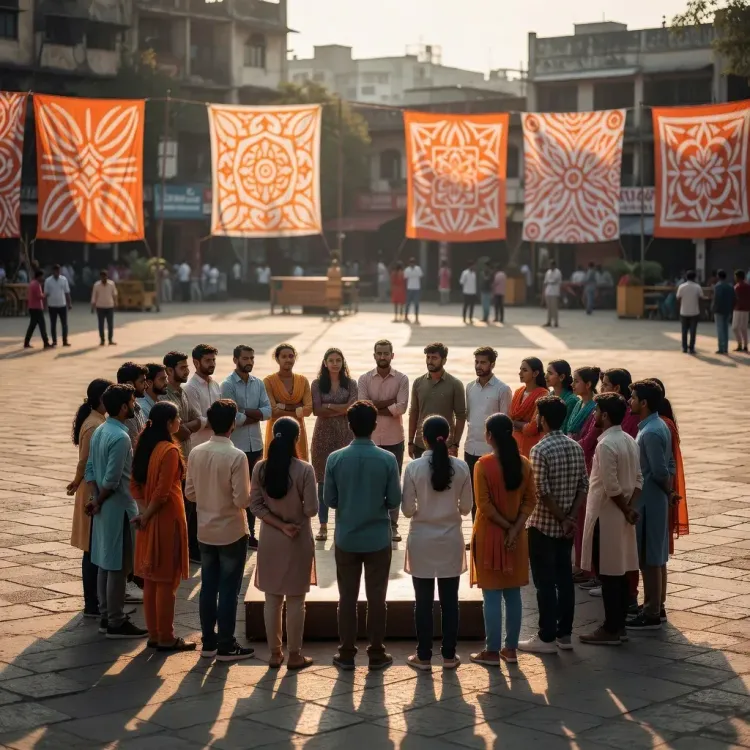
What Fadnavis is stressing — and what separates this framing from routine government announcements — is the insistence on janabhagidari. Rather than positioning the state as the sole actor, the CM is casting every citizen as a stakeholder in keeping Mumbai's youth drug-free. That is a deliberate communication choice: it distributes responsibility, broadens ownership, and creates the conditions for neighbourhood-level mobilisation that top-down enforcement alone cannot achieve.
The campaign's next test will be on the ground — awareness events, outreach metrics, and whether the momentum extends beyond Mumbai to other urban centres in Maharashtra. A PM-endorsed, CM-championed drive with explicit community participation goals sets a high bar for follow-through.
If the streets of Mumbai are the classroom, the state has just announced it has the most powerful guest lecturer in the country. The question now is how many students show up.
Point of View
Making the campaign harder to criticise and easier to scale. Anchoring a city-level drive to a PM endorsement also raises the political stakes for delivery: if the campaign stalls, the accountability runs upward. Whether the momentum translates into measurable outreach on Mumbai's streets will determine if this is a durable public-health push or a well-branded moment.
NationPress
30 Jul 2026
Frequently Asked Questions
What is the Drug-Free Mumbai campaign?
The Drug-Free Mumbai campaign is a Maharashtra government initiative aimed at creating awareness about drug abuse and keeping the city's youth away from substance abuse through public participation and community outreach.
Why did CM Devendra Fadnavis thank PM Modi?
CM Fadnavis thanked PM Narendra Modi on 30 July 2026 for his 'inspiring words' in support of the Drug-Free Mumbai campaign, saying the PM's message strengthened the state's resolve to reach every young person in Mumbai.
What is the Nasha Mukt Bharat Abhiyan?
The Nasha Mukt Bharat Abhiyan is a national anti-drug awareness programme launched in 2020 by the Ministry of Social Justice and Empowerment to combat substance abuse across India, with a particular focus on youth.
What does 'janabhagidari' mean in the context of this campaign?
'Janabhagidari' means people's participation — CM Fadnavis used the term to emphasise that combating drug abuse in Mumbai is a collective responsibility of citizens, not just the government.
Will the Drug-Free Mumbai campaign expand to other cities in Maharashtra?
CM Fadnavis has not specified other cities yet, but the broader pattern of Maharashtra's anti-drug drives suggests possible expansion beyond Mumbai to other urban centres in the state.