CM Fadnavis Visits Drought-Hit Latur, Dharashiv, Solapur
Synopsis
Maharashtra Chief Minister Devendra Fadnavis visited drought-affected areas in Latur, Dharashiv, and Solapur on 23 September 2026, surveying crop damage and speaking to media at Karamba, Solapur, as Marathwada's seasonal water crisis demands state-level attention.
Key Takeaways
CM Devendra Fadnavis conducted a field survey of drought-like conditions in Latur , Dharashiv , and Solapur districts on 23 September 2026 .
The visit included a media interaction at Karamba, Solapur , covering multiple related issues.
All three districts fall in or border Marathwada , Maharashtra's most drought-prone agro-climatic belt.
The Jalyukt Shivar Abhiyan (launched 2015 ) is the state's flagship water conservation response to recurrent drought in these districts.
Field surveys of this nature typically precede formal relief package announcements, crop loss compensation, and water supply interventions.
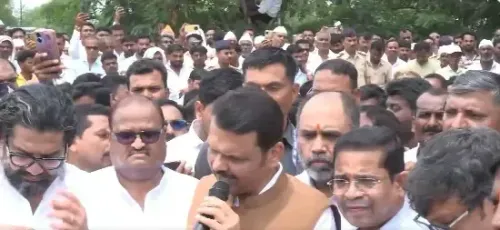
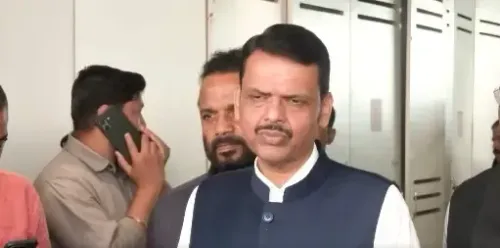
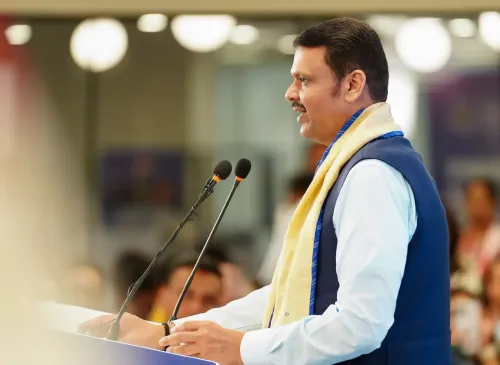
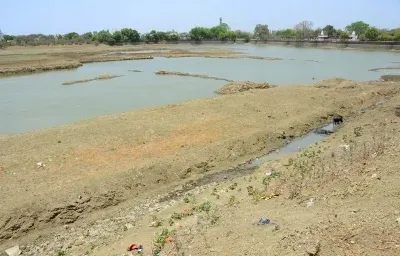
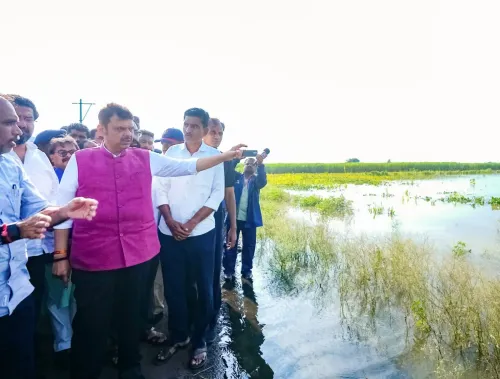
Parched fields, cracked earth, and anxious farmers — that was the ground reality Maharashtra Chief Minister Devendra Fadnavis confronted during a field visit to drought-affected areas across Latur, Dharashiv, and Solapur districts on 23 September 2026. Speaking to media at Karamba, Solapur, Fadnavis addressed the drought-like conditions causing damage across the region.
In his post, the Chief Minister described the visit as a survey of damage caused by drought-like conditions — 'दुष्काळसदृश परिस्थितीमुळे नुकसान झालेल्या भागाची पाहणी' ('survey of areas damaged due to drought-like conditions') — across the three districts, accompanied by a media interaction on various related subjects.
Three Districts, One Familiar Crisis
Latur and Dharashiv sit in Maharashtra's Marathwada region, one of India's most drought-prone agricultural belts. Solapur, on the western edge of the same agro-climatic zone, shares that history. Seasonal rainfall deficits here translate directly into crop failures, depleted water tables, and rural distress — a cycle that has repeated for decades and repeatedly tests state administration.
Farmers and rural communities in these districts are the most immediately exposed. When water availability drops and standing crops fail, the pressure on district-level relief machinery — and on the political leadership — intensifies fast. A sitting Chief Minister's field visit signals that the situation has reached a threshold demanding top-level attention rather than routine bureaucratic response.
Jalyukt Shivar and the Long Arc of Drought Policy
Maharashtra has historically tried to break the drought cycle through structural intervention. The Jalyukt Shivar Abhiyan water conservation programme, launched in 2015, was specifically designed to improve water retention in villages across Marathwada and other drought-prone districts — including Latur, Dharashiv, and Solapur. The programme aimed to reduce dependence on erratic monsoons by deepening streams, desilting tanks, and building small check-dams at scale.
That longer policy context makes on-ground visits like Wednesday's more than symbolic. Field surveys of crop loss and water availability feed directly into decisions on relief packages, tanker deployment, and emergency agricultural support — the pipeline from inspection to action that drought-affected communities watch closely.
What Farmers in Marathwada Are Watching For
The immediate question for the region's farming households is what follows the survey. Formal declarations of drought-like conditions trigger state and central relief mechanisms — crop loss compensation, lowered interest rates on agricultural loans, and accelerated water supply through alternative sources. The 23 September 2026 visit, with its accompanying media briefing, sets the clock on those announcements.
With Fadnavis personally on-site and on-record, the political and administrative pressure to follow through with concrete relief measures is now squarely on the table.
Point of View
The Solapur-Latur-Dharashiv circuit also underscores the BJP-led government's continuity with the Jalyukt Shivar policy legacy, projecting structural intent rather than reactive crisis management. The key test, as always in Marathwada, is whether the survey translates into a formal relief declaration and tangible compensation within the administrative deadlines that trigger central government matching funds.
NationPress
24 Sept 2026
Frequently Asked Questions
Why did CM Fadnavis visit Latur, Dharashiv and Solapur?
CM Devendra Fadnavis visited the three districts on 23 September 2026 to survey areas damaged by drought-like conditions and to brief media on the situation at Karamba, Solapur.
Which districts in Maharashtra are affected by drought-like conditions in 2026?
Latur, Dharashiv (formerly Osmanabad), and Solapur are among the districts facing drought-like conditions, all located in or adjacent to the Marathwada region.
What is Jalyukt Shivar Abhiyan and how does it help drought-affected areas?
Jalyukt Shivar Abhiyan is a Maharashtra government water conservation programme launched in 2015 aimed at reducing drought impact through desilting of tanks, deepening of streams, and construction of small check-dams in villages across drought-prone districts.
What relief can farmers in drought-affected Maharashtra districts expect?
Following a formal field survey, state governments typically announce crop loss compensation, reduced agricultural loan interest rates, and emergency water supply measures; official relief packages depend on the outcome of the survey and government declarations.
Is Marathwada chronically drought-prone?
Yes, Marathwada — which includes districts like Latur and Dharashiv — has a long-standing pattern of seasonal drought and water scarcity that recurrently affects agriculture and rural livelihoods in the region.