CM Rekha Gupta Shares Modi's Diwali-Chhath Cleanliness Call
Synopsis
Delhi Chief Minister Rekha Gupta shared PM Narendra Modi's Mann Ki Baat appeal asking citizens to maintain cleanliness during Diwali and Chhath, reinforcing the Swachh Bharat Abhiyan's long-running push to link festival seasons with civic responsibility.
Key Takeaways
Delhi CM Rekha Gupta shared a cleanliness appeal from PM Narendra Modi on 25 October 2026 ahead of Diwali and Chhath.
The message — 'Our small efforts can bring big change' — was drawn from PM Modi's Mann Ki Baat radio address.
The appeal is rooted in the Swachh Bharat Abhiyan , launched in 2014 to promote nationwide cleanliness and behavioural change.
Delhi faces heightened waste and pollution pressures during the Diwali-Chhath period, making civic messaging particularly timely.
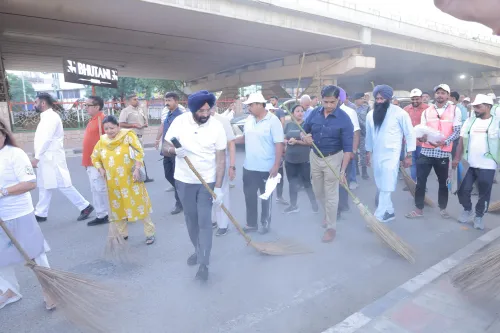
The Municipal Corporation of Delhi typically scales up waste-collection and anti-littering drives around both festivals.
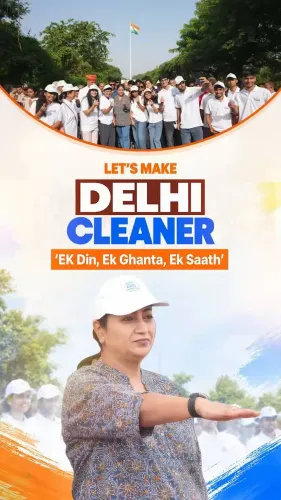
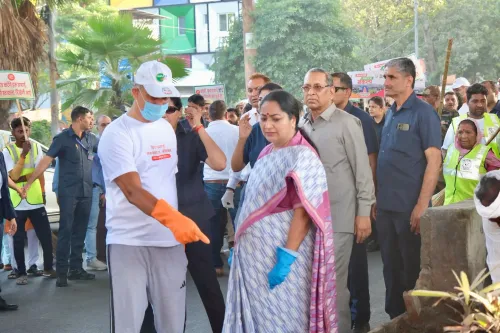
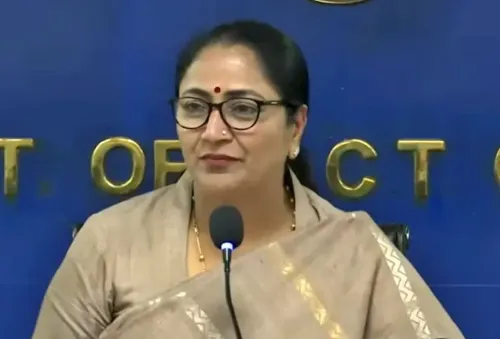
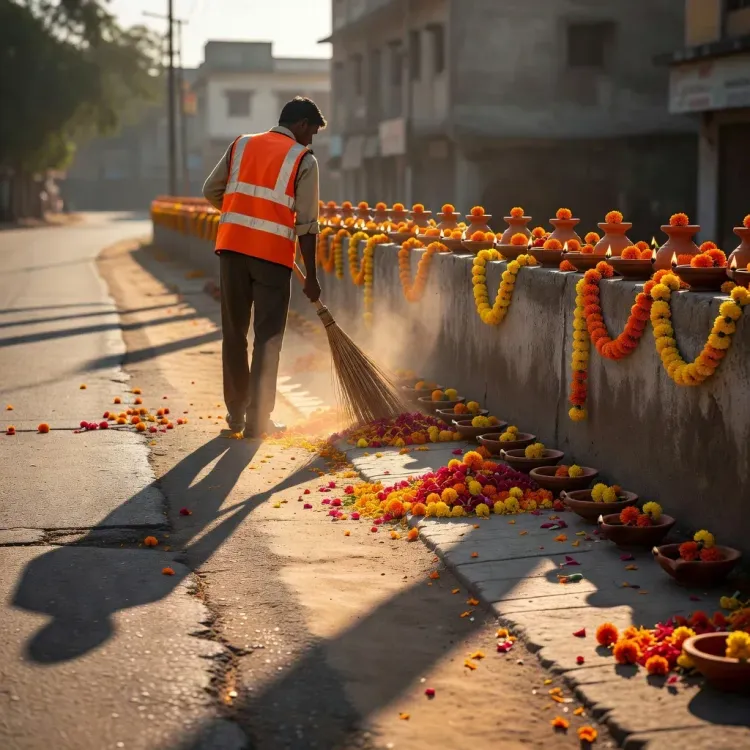
As Delhi gears up for the twin festivals of Diwali and Chhath, Delhi Chief Minister Rekha Gupta amplified a direct appeal from Prime Minister Narendra Modi on Sunday, 25 October 2026 — urging residents to keep their surroundings clean during the festive season.
Sharing the Prime Minister's words from Mann Ki Baat, CM Gupta posted the message: 'Keep cleanliness around you during the sacred festivals of Diwali and Chhath. Our small efforts can bring big change.' The quote is attributed directly to PM Modi, tagged as @narendramodi, under the hashtag #MannKiBaat.
Mann Ki Baat as a Festival-Season Nudge
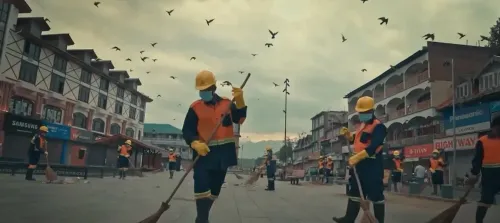
Mann Ki Baat is PM Modi's monthly radio address to the nation, a platform he has consistently used to weave civic themes — sanitation, waste management, behavioural change — into the public conversation. The festival window is a deliberate target: Diwali and Chhath together generate significant volumes of post-celebration waste across Indian cities, and urban centres like Delhi have historically struggled with post-festival clean-up. The messaging aligns directly with the Swachh Bharat Abhiyan, the flagship cleanliness mission launched in 2014, which specifically aimed at shifting individual behaviour around festivals and daily civic life.Delhi's Festival Cleanliness Challenge
For Delhi in particular, the appeal carries weight. The capital faces a dual pressure during this period — the post-Diwali spike in air pollution compounded by organic waste from Chhath celebrations along the Yamuna and other water bodies. The Municipal Corporation of Delhi typically deploys additional waste-collection resources and anti-littering drives in the run-up to and aftermath of both festivals. By sharing the Prime Minister's words, CM Gupta reinforces that message at the state level, directing it at Delhi's residents at a moment when individual choices — on waste disposal, on noise and chemical use — aggregate into city-wide outcomes. Small actions, the message insists, are not small at all.Point of View
Decade-long strategy of linking Swachh Bharat messaging to high-visibility civic moments. By amplifying the Prime Minister's voice rather than issuing an independent directive, CM Gupta reinforces the BJP's top-down-to-grassroots communication chain. For Delhi specifically, where post-festival pollution is a perennial governance headache, the appeal doubles as a pre-emptive effort to distribute civic responsibility. Whether social-media messaging translates into measurable behavioural change on the ground remains the persistent challenge for urban cleanliness campaigns nationwide.
NationPress
25 Oct 2026
Frequently Asked Questions
What did PM Modi say in Mann Ki Baat about Diwali and Chhath cleanliness?
PM Modi urged citizens to 'keep cleanliness around you during the sacred festivals of Diwali and Chhath,' adding that small individual efforts can bring big collective change. Delhi CM Rekha Gupta shared this message on social media on 25 October 2026.
What is Mann Ki Baat?
Mann Ki Baat is Prime Minister Narendra Modi's monthly radio address to the nation, used regularly to highlight themes of sanitation, civic responsibility, and public welfare alongside other national issues.
What is the Swachh Bharat Abhiyan?
Swachh Bharat Abhiyan is a nationwide cleanliness mission launched by the central government in 2014, aimed at promoting waste segregation, open-defecation-free communities, and behavioural change around festivals and daily life.
Why is cleanliness during Diwali and Chhath important for Delhi?
Delhi experiences a significant spike in solid waste and air pollution during the Diwali-Chhath period. Post-celebration waste along the Yamuna and in residential areas strains civic infrastructure, making individual cleanliness habits especially consequential.
What does the Municipal Corporation of Delhi do during festival season?
The Municipal Corporation of Delhi typically deploys additional waste-collection teams, anti-littering drives, and public awareness campaigns ahead of and after major festivals like Diwali and Chhath to manage the surge in urban waste.