CM Rekha Gupta Flags India's Pharma Import Gap
Synopsis
Delhi Chief Minister Rekha Gupta shared PM Modi's sharp call to India's pharma sector: despite being the world's pharmacy, India spends billions importing APIs, bulk drugs, and intermediates. PM Modi urged the industry to identify domestically producible ingredients and invest in technology and scale to close the gap.
Key Takeaways
Delhi CM Rekha Gupta shared a quote from PM Narendra Modi on 19 November 2026 highlighting India's pharmaceutical import dependence.
India is called the 'Pharmacy of the World' but imports billions of dollars worth of active pharmaceutical ingredients (APIs), bulk drugs, and drug intermediates annually.
PM Modi urged India's pharma industry to identify hundreds of import-dependent ingredient categories that could be manufactured domestically.
The PLI scheme for pharmaceuticals , launched in 2020 , was designed to incentivise domestic API and bulk drug production.
The bulk drug parks initiative offers shared infrastructure to reduce production costs and import reliance for API manufacturers.
Progress in PLI investment commitments and bulk drug park rollout will be a key test of how far India can extend its pharma self-sufficiency upstream.
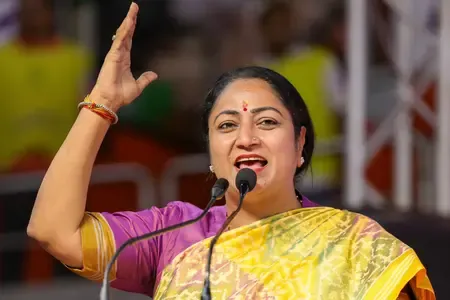
India wears the badge of 'Pharmacy of the World' with pride — yet billions of dollars flow out every year to import the very raw materials that make its medicines. Delhi Chief Minister Rekha Gupta on Thursday, 19 November 2026, shared a pointed observation from Prime Minister Narendra Modi that cuts to the heart of that paradox: a nation that exports finished drugs to the globe still depends on foreign suppliers for the active pharmaceutical ingredients, bulk drugs, and drug intermediates that go inside them.
The import trap inside a global drug-export giant
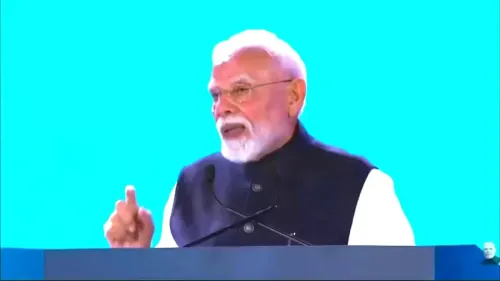
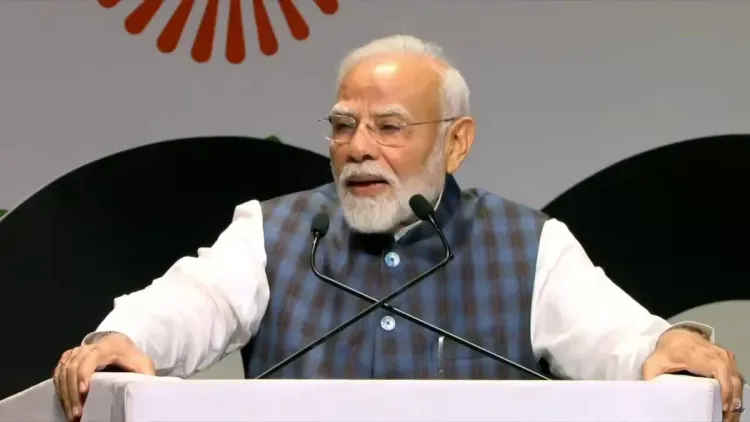
Quoting PM Modi directly, CM Gupta's post asked: 'ऐसी सैकड़ों कैटेगरी हैं, जिनमें हम आज इंपोर्ट पर निर्भर हैं' — 'there are hundreds of categories in which we are dependent on imports today.' The Prime Minister's message to the pharmaceutical industry is blunt: map every ingredient that can be manufactured domestically, identify sectors where investment in new technology and large-scale production plants can make India price-competitive against other nations, and then act on it.
The challenge is structural. India's pharma sector built its global reputation largely on formulation exports — turning imported bulk chemicals into finished tablets, capsules, and injectables for markets worldwide. That model works, until a supply chain shocks, and then the dependence on a handful of overseas ingredient sources becomes a national vulnerability.
PLI schemes and bulk drug parks: the policy scaffold already in place
This is not a new diagnosis. The Central government's Production Linked Incentive (PLI) scheme for pharmaceuticals, launched in 2020, was designed precisely to shift investment upstream — from finished formulations toward the APIs and bulk drugs that are currently imported. Around the same time, the Union government approved the creation of dedicated bulk drug parks, offering common infrastructure to clusters of API manufacturers to bring down production costs and reduce reliance on imported intermediates.
The policy scaffold exists. What PM Modi's statement — amplified now by CM Gupta — is pushing for is industry ownership of the gap: identifying the specific ingredient categories where domestic manufacturing is commercially viable and then committing capital and technology to close them.
Why the upstream self-sufficiency push matters now
Global supply-chain disruptions over recent years underscored how exposed India's pharma pipeline can be when ingredient supplies tighten overseas. For a country whose affordable generics reach patients across Africa, Southeast Asia, and Latin America, a disruption in input supply is not just a commercial problem — it has public-health consequences well beyond Indian borders.
The competitiveness question PM Modi raises is equally significant: bulk drug manufacturing is capital- and technology-intensive, and India has historically struggled to match the scale economies of dominant overseas suppliers. New production plants, backed by PLI incentives, are the bet that scale can close the cost gap. Whether the investment commitments materialise — and whether approved bulk drug parks hit their operational targets — will determine how quickly the 'Pharmacy of the World' label extends from finished drugs all the way back to the ingredients that make them.
Point of View
Amplified by CM Rekha Gupta, signals that the BJP-led government views upstream pharmaceutical self-sufficiency as unfinished business — a gap between India's formulation-export brand and its actual supply-chain depth. The move to push industry to self-diagnose import dependence is consistent with the broader 'Aatmanirbhar Bharat' arc, where financial incentives (PLI) are paired with political pressure to shift private capital upstream. The critical test will be whether industry actually commits to the capital-intensive, low-margin bulk drug and API segments, or continues to prefer the higher-margin formulation business that built its global reputation.
NationPress
19 Nov 2026
Frequently Asked Questions
Why does India import APIs and bulk drugs if it is the pharmacy of the world?
India's pharma sector built its global reputation primarily on finished formulation exports — turning imported raw ingredients into tablets and injectables. The upstream segments of active pharmaceutical ingredient and bulk drug manufacturing require heavy capital investment and large-scale plants to be cost-competitive, areas where India has historically lagged behind dominant overseas suppliers.
What is the PLI scheme for pharmaceuticals in India?
The Production Linked Incentive (PLI) scheme for pharmaceuticals, launched by the Central government in 2020, provides financial incentives to domestic manufacturers of APIs, key starting materials, and drug intermediates to encourage investment in upstream pharmaceutical production and reduce import dependence.
What are India's bulk drug parks?
Bulk drug parks are government-approved industrial clusters with common infrastructure — such as effluent treatment, utilities, and logistics — designed to lower the cost of domestic API and bulk drug manufacturing and make Indian producers more competitive against overseas suppliers.
What did PM Modi say about India's pharma import dependence?
PM Modi stated that despite India's status as the 'Pharmacy of the World,' the country imports billions of dollars worth of APIs, bulk drugs, and drug intermediates every year across hundreds of categories. He urged the pharma industry to identify ingredients that can be made domestically and to invest in new technology and large production plants to become globally competitive.
Why did Delhi CM Rekha Gupta share PM Modi's pharma statement?
CM Rekha Gupta, a BJP leader, shared PM Modi's statement to amplify the Centre's push for pharmaceutical self-reliance, underscoring the government's 'Aatmanirbhar Bharat' (self-reliant India) agenda in a strategically critical sector.